Fernández wins Costa Rican presidency, steering Latin America further right
The Guardian • 2/2/2026

Summary
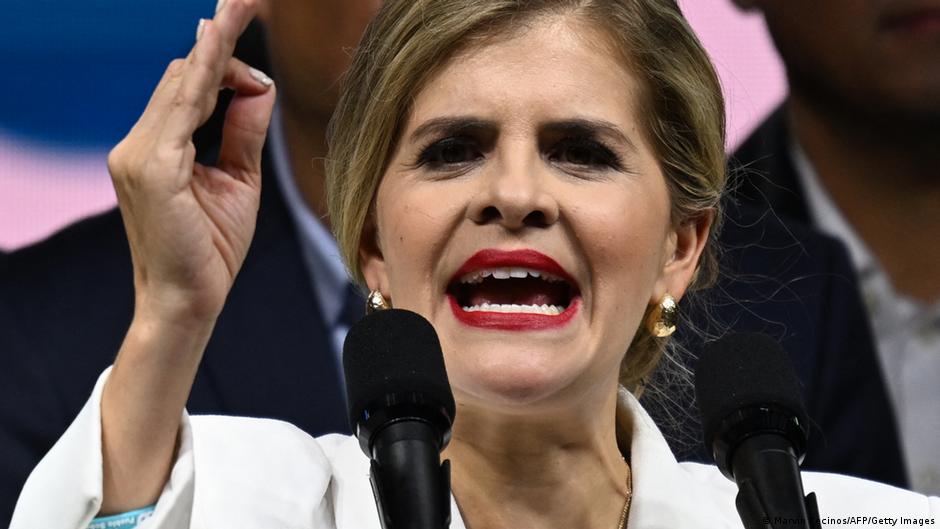
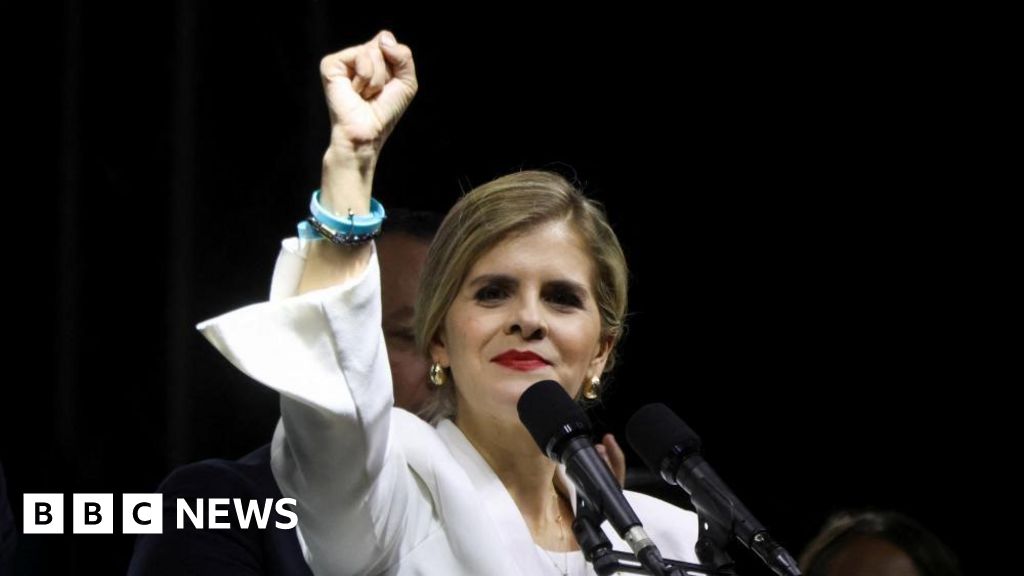
Laura Fernández, a right-wing populist and political scientist, has won Costa Rica's presidential election, positioning her to become the country's second female president. Preliminary results indicate that Fernández secured 48.94 percent of the votes with 81.24 percent of polling stations reporting. Her nearest rival, centre-right economist Álvaro Ramos, conceded defeat as Fernández's ruling party surpassed the 40 percent threshold necessary to avoid a runoff election. This decisive victory reflects a significant shift in Costa Rica's political landscape, steering it further to the right. Fernández's campaign focused on addressing the rising drug-related violence linked to the cocaine trade, which has become a pressing issue in the nation. Her tough stance on crime resonated with voters who are increasingly concerned about safety and security. The election outcome is notable not only for Fernández and her political party but also for the broader context of Latin American politics, where right-wing populism has been gaining traction. The implications of her presidency may extend beyond Costa Rica, as many Central American countries are grappling with similar issues of violence and crime related to drug trafficking. The election of Fernández may influence regional dynamics and responses to governance and crime in the coming years. This victory marks a notable moment in Costa Rican politics, reflecting changing voter sentiments and priorities.
Advertisement
Lindy Score Breakdown (V4.2)
Story Timeline
- 2026-02-02Fernández wins Costa Rican presidency, steering Latin America further right (current)
AnalysisRisk 10
Same Story from 7 sources



Breaking Similar stories






Anti-Lindy Similar stories