East German Town Backs AfD Motion to Halt New Holocaust Memorial Plaques
Haaretz • 9/25/2026 – 9/26/2026

Summary
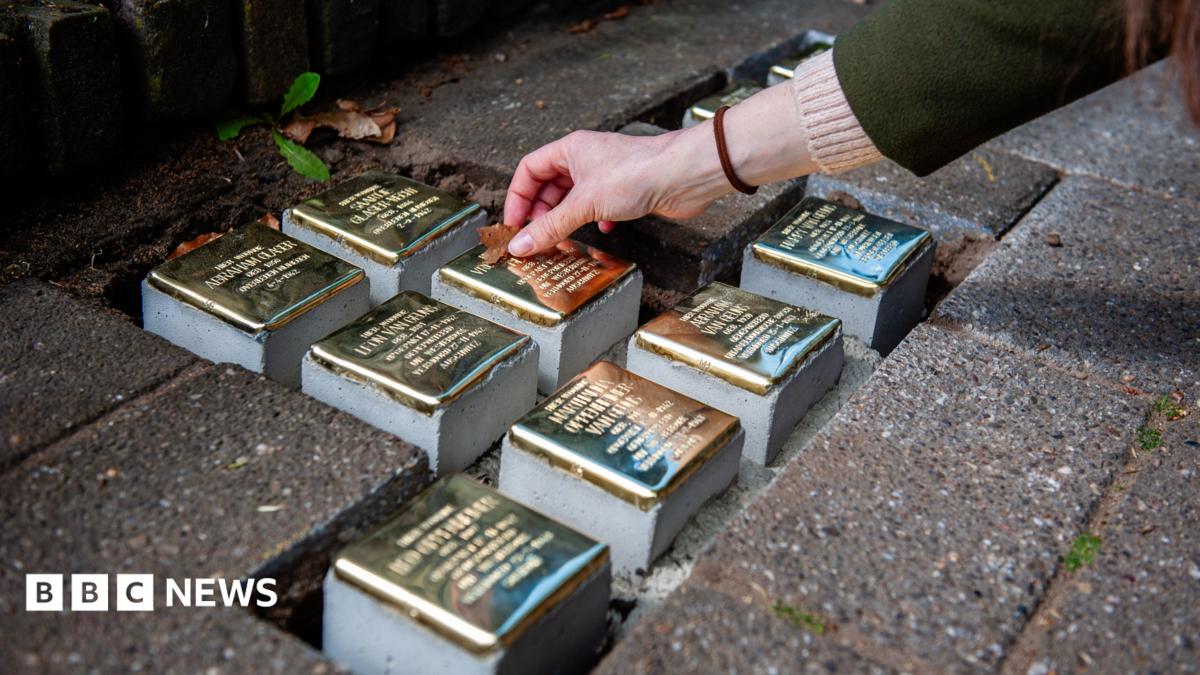
An East German town has voted to support a motion proposed by the Alternative for Germany (AfD) party to halt the installation of new Holocaust memorial plaques. This decision has sparked significant controversy and debate regarding the commemoration of Holocaust victims. The town's council voted in favor of the motion, which effectively bans future Holocaust memorial plaques within its jurisdiction. The motion reflects a growing trend in some regions of Germany where far-right political sentiments have gained traction. The AfD, known for its nationalist and anti-immigration stance, has been increasingly vocal about its opposition to various forms of memorialization related to Germany's Nazi past. The decision to ban new plaques has raised concerns among historians and advocates for Holocaust remembrance, who argue that such actions undermine the importance of acknowledging and remembering the atrocities committed during the Holocaust. The council's vote has been met with criticism from various quarters, including local residents and organizations dedicated to Holocaust education and remembrance. They argue that memorial plaques serve as vital reminders of history and the need to prevent such atrocities from happening again. The decision has prompted discussions about the role of memory and history in contemporary German society, particularly in light of rising far-right sentiments. As the debate continues, the implications of this decision may resonate beyond the town, influencing discussions on how Germany confronts its past and honors the memory of Holocaust victims. The situation highlights the ongoing tensions between historical remembrance and contemporary political ideologies in the country.
Advertisement
Lindy Score Breakdown (V4.2)
Story Timeline
- 2026-09-25East German Town Backs AfD Motion to Halt New Holocaust Memorial Plaques (current)
Score BreakdownRisk 50
Stories gain Lindy status through source reputation, network consensus, and time survival.
Same Story from 2 sources
Related Stories
Breaking Similar stories







Anti-Lindy Similar stories