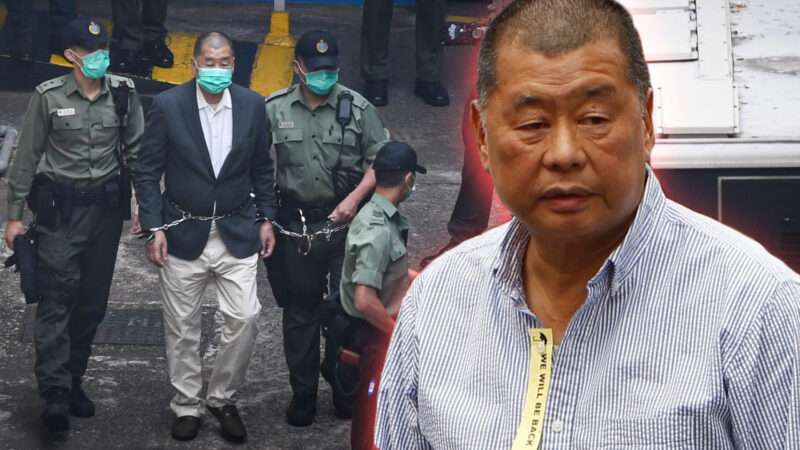
Jimmy Lai Got a 20-Year Sentence for Saying Things the Chinese Government Didn't Like
Reason Magazine • 2/8/2026 – 2/10/2026
Summary
Jimmy Lai, a prominent critic of the Chinese government and former media tycoon, has been sentenced to 20 years in prison under Hong Kong's national security law. This sentencing occurred on Monday and has been widely condemned by rights groups, who describe it as "effectively a death sentence" for press freedom in the city. Lai's conviction is viewed as a significant blow to the already diminishing freedoms of the press in Hong Kong, highlighting the increasing restrictions on dissent and free expression. The national security law, which was implemented in Hong Kong, has been criticized for its broad and vague provisions that target individuals advocating for democracy and reform. Lai has been a vocal proponent of these ideals, making him a prime target for the law's enforcement. His sentencing is seen as a culmination of efforts by the Chinese government to suppress opposition and control the narrative surrounding its governance, particularly in Hong Kong. The reaction to Lai's sentencing has sparked outrage among international observers and human rights advocates, who argue that it symbolizes the erosion of civil liberties in Hong Kong. The case has drawn attention to the broader implications of the national security law, which many believe is being used to stifle dissent and silence critics of the Chinese Communist Party. As a result, Lai's situation has become emblematic of the challenges faced by those who continue to advocate for democratic values in the region.
Advertisement
Cluster Activity
Story Timeline
- 2026-02-08
- 2026-02-09Jimmy Lai Got a 20-Year Sentence for Saying Things the Chinese Government Didn't Like (current)
- 2026-02-16
- 2026-02-19
Same Story from 11 sources

Breaking Similar stories









Survived Similar stories

Anti-Lindy Similar stories