James Webb Space Telescope watches distant galaxies form farthest cluster ever seen in the ancient universe (image)
Space.com • 2/2/2026
Summary
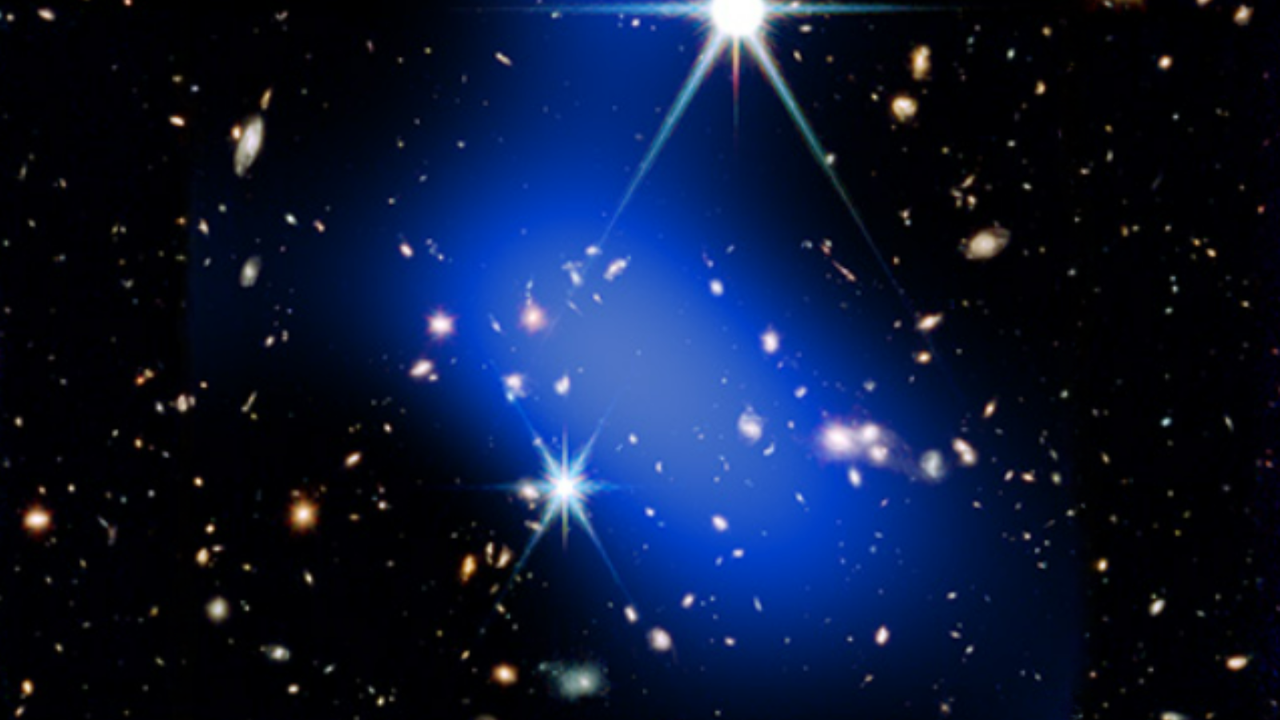
The James Webb Space Telescope (JWST) has observed the formation of distant galaxies in what is identified as the farthest cluster ever seen in the ancient universe. This discovery is centered around a galaxy known as JADES-ID1, which provides new evidence that the universe was rapidly evolving during its early stages. The findings suggest that the processes of galaxy formation and growth were occurring much sooner than previously understood. JADES-ID1 is part of a larger study that aims to explore the conditions of the early universe. The observations made by JWST are significant because they allow astronomers to examine the characteristics of galaxies that formed when the universe was only a fraction of its current age. The data collected from this research contributes to our understanding of how galaxies developed and interacted in the early cosmos. The implications of this discovery are profound, as they challenge existing theories about the timeline of galaxy formation. The rapid growth of galaxies like JADES-ID1 indicates that the universe was in a "huge hurry to grow up," suggesting that the processes that led to the formation of galaxies were more efficient than previously thought. This research highlights the capabilities of the James Webb Space Telescope in advancing our knowledge of the universe's history and the evolution of cosmic structures.
Advertisement
Lindy Score Breakdown (V4.2)
Story Timeline
- 2026-02-02James Webb Space Telescope watches distant galaxies form farthest cluster ever seen in the ancient universe (image) (current)
Score BreakdownRisk 50
Stories gain Lindy status through source reputation, network consensus, and time survival.
Same Story from 2 sources
Breaking Similar stories




Anti-Lindy Similar stories