Troops Involved in Boat Strikes Face a ‘Moral Injury’ Risk, Experts Say
The New York Times • 11/3/2025 – 12/14/2025

Summary
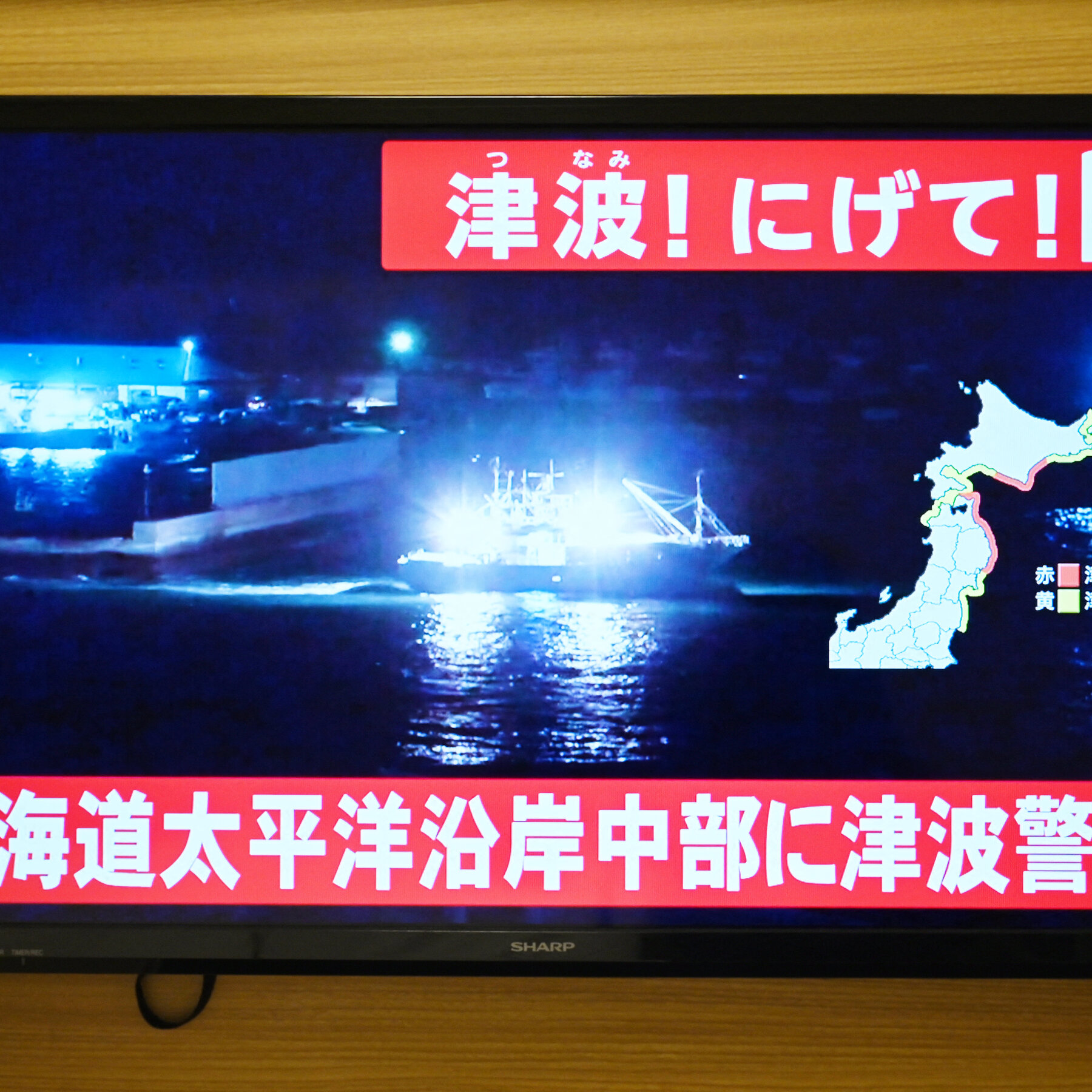
Troops involved in deadly missions that they perceive as wrong or unjustified may experience significant psychological harm, known as "moral injury," according to research highlighted in the primary source. This psychological impact can arise from participating in operations that conflict with their personal beliefs or ethical standards. Experts emphasize the importance of recognizing and addressing the mental health needs of these service members, as the consequences of moral injury can be profound and long-lasting. In a separate context, the United States and Japan have conducted military exercises as a demonstration of strength amid ongoing tensions with China. This military show of force follows joint drills by Chinese and Russian strategic bombers and fighters, which prompted Japan and South Korea to scramble their planes for monitoring. The exercises reflect a strategic response to the increasing military activities in the region by China and Russia, highlighting the complex security challenges faced by Japan. Additionally, Japan experienced a significant natural disaster when a 7.6-magnitude earthquake struck off the coast of Aomori Prefecture, located on Honshu, Japan's main island. The earthquake led to the issuance of a tsunami warning, indicating potential risks to coastal areas. However, the extent of the damage and any casualties resulting from the earthquake have not been detailed in the sources provided. This earthquake underscores the natural challenges Japan faces, as it is situated in a seismically active region, making it susceptible to such disasters. The military exercises and the earthquake illustrate the multifaceted challenges confronting Japan, encompassing both security threats from neighboring nations and the risks associated with natural disasters.
Advertisement
Cluster Activity
Lindy Score Breakdown (V4.2)
Story Timeline
- 2025-11-03
- 2025-11-09
- 2025-11-19
- 2025-12-02
- 2025-12-05
- 2025-12-07
- 2025-12-08
- 2025-12-11
AnalysisRisk 10
Same Story from 11 sources







Breaking Similar stories
Anti-Lindy Similar stories