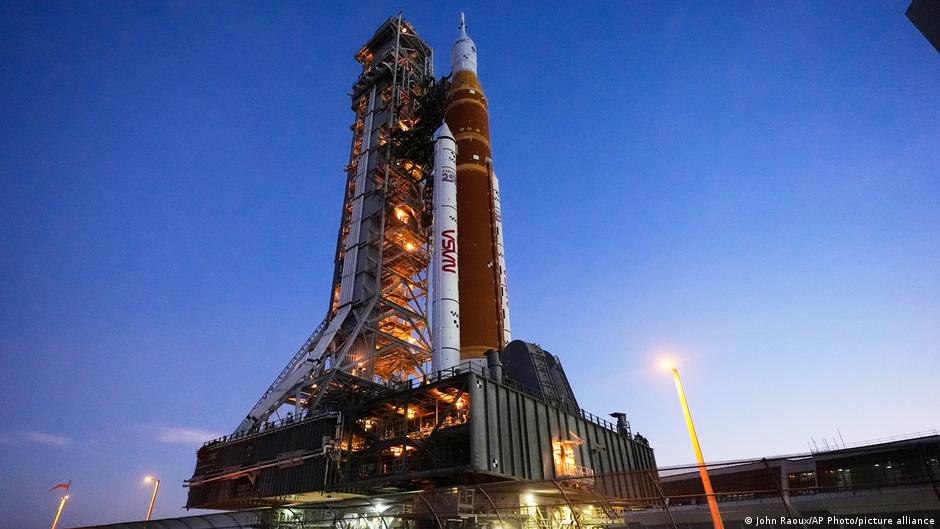
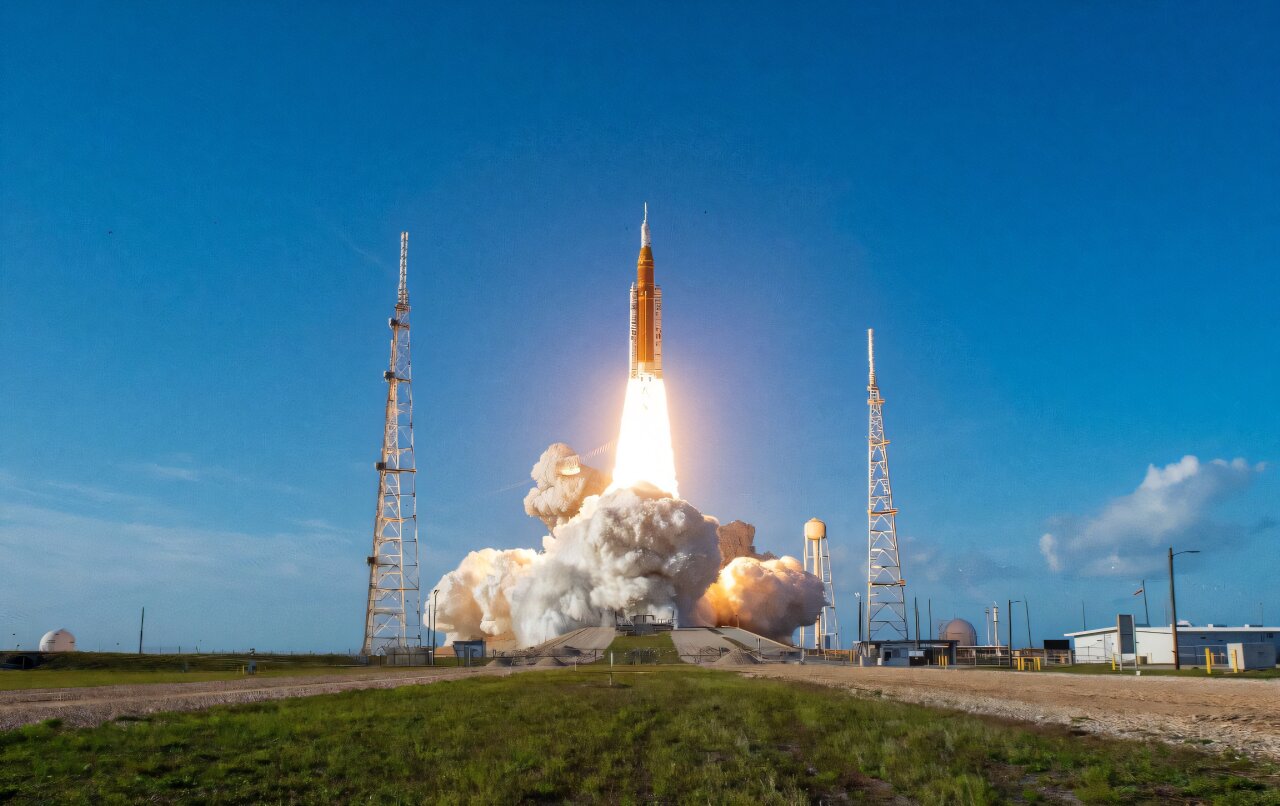
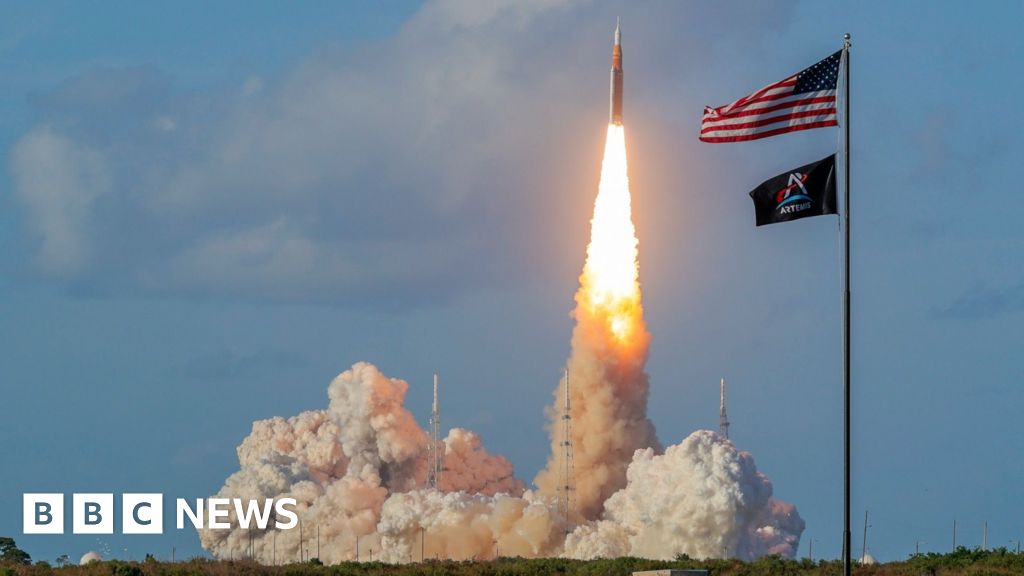
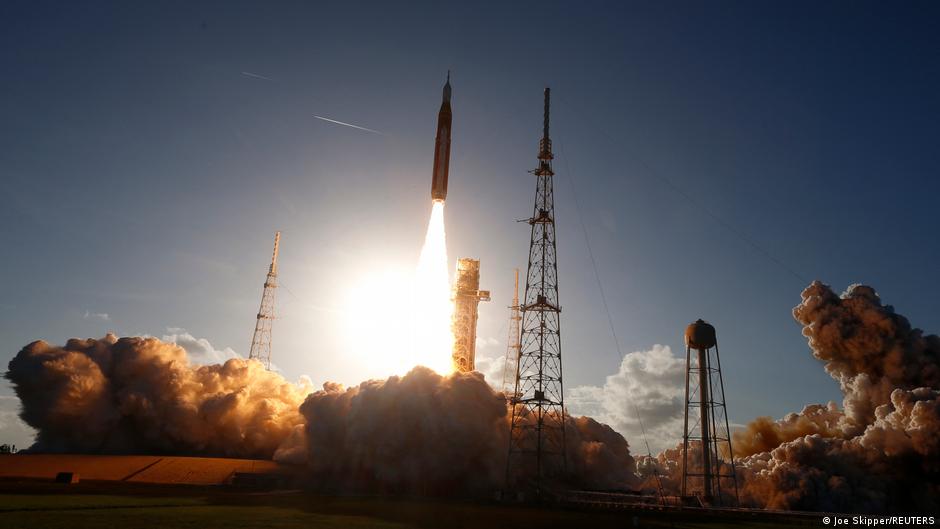
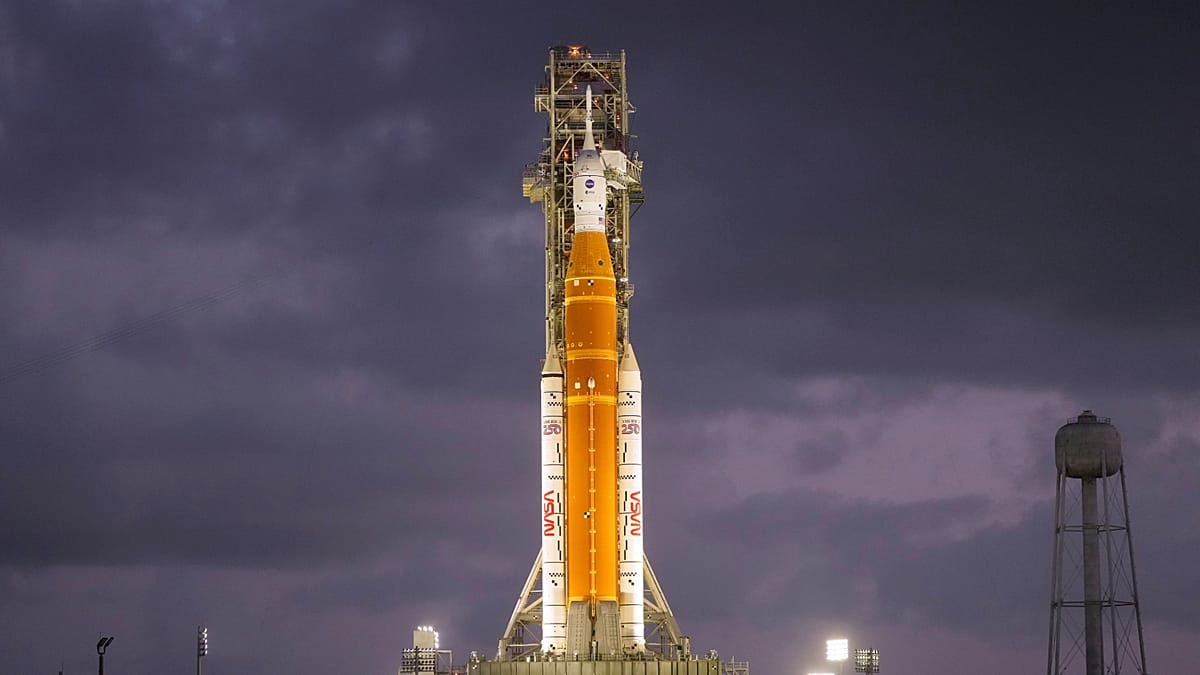
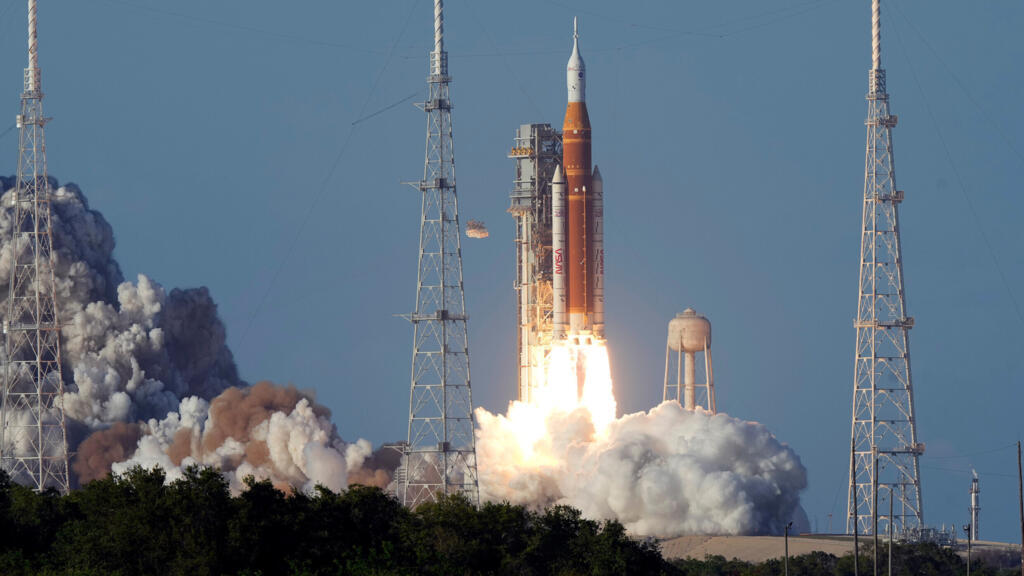
Artemis II astronauts bound for moon after rocketing away on NASA's first lunar voyage in decades
France24 • 3/31/2026 – 4/2/2026

Summary
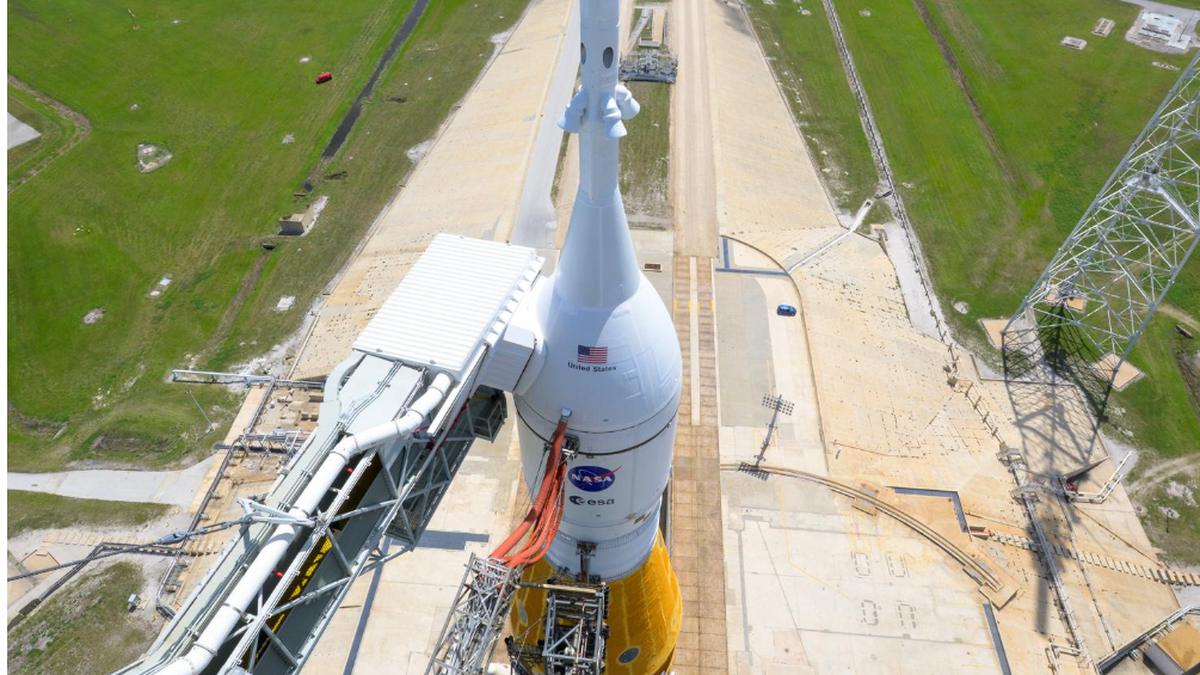
On April 1, 2023, NASA's Artemis II mission successfully launched four astronauts on a historic journey around the moon, marking the first crewed lunar mission in over 50 years. This mission is a significant milestone in NASA's broader goal of establishing a long-term presence on the lunar surface. The flight is designed to last 10 days and will serve as a precursor to future lunar landings planned for the next two years (Scientific American, The Straits Times, Deutsche Welle). The Artemis II mission is notable not only for its ambitious objectives but also for its diverse crew. Among the astronauts are the first woman, the first Black person, and the first non-American astronaut to travel to the lunar environment. This diversity highlights NASA's commitment to inclusivity in its space exploration efforts (Wired). The mission is seen as a critical step in advancing human exploration beyond Earth orbit, as it is the first human mission to venture beyond Earth’s orbit in more than half a century (SpaceNews). The launch took place from Cape Canaveral, Florida, and is part of NASA's Artemis program, which aims to return humans to the moon and eventually facilitate missions to Mars. The Artemis II mission will provide valuable data and experience that will inform future lunar landings and the establishment of a sustainable human presence on the moon (Deutsche Welle, Scientific American).
Advertisement
Cluster Activity
Lindy Score Breakdown (V4.2)
Story Timeline
- 2026-03-31
- 2026-04-01
- 2026-04-02Artemis II astronauts bound for moon after rocketing away on NASA's first lunar voyage in decades (current)
Score BreakdownRisk 45
Stories gain Lindy status through source reputation, network consensus, and time survival.
Same Story from 11 sources





Breaking Similar stories

Anti-Lindy Similar stories