Trump plans to lower tariffs on Indian goods to 18% after India agreed to stop buying Russian oil
AP News • 2/2/2026 – 2/3/2026
Summary
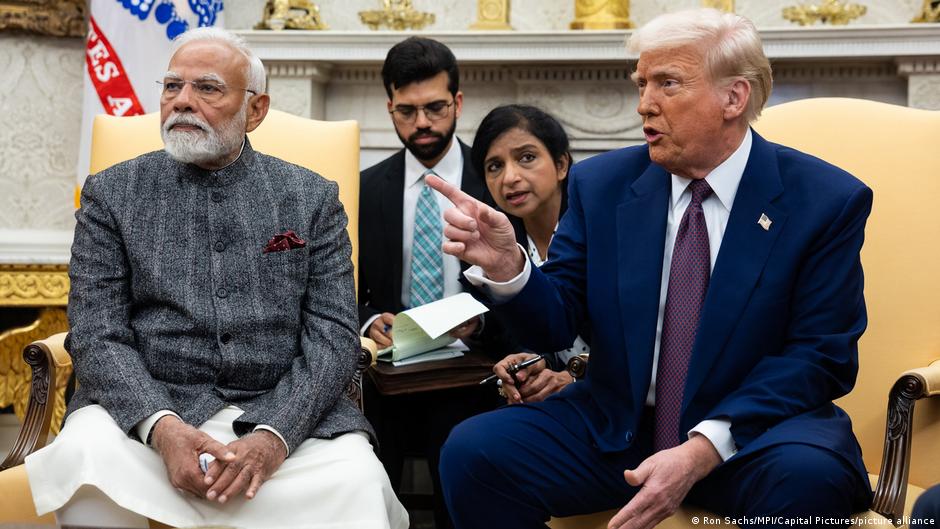
U.S. President Donald Trump announced a trade deal with India that will reduce tariffs on Indian goods from 25% to 18%. This agreement is contingent upon Indian Prime Minister Narendra Modi's commitment to cease purchasing Russian oil amid the ongoing war in Ukraine. The White House confirmed that the reduction in tariffs is directly linked to India's agreement regarding Russian oil imports (The Straits Times; Reuters). The deal has been characterized as a significant development in U.S.-India relations, with the Hindu referring to it as "historic." Union Ministers in India have hailed the agreement, while the Congress party criticized Modi, claiming he has "capitulated finally" in negotiations (The Hindu). The reduction in tariffs is expected to enhance trade between the two nations, reflecting a notable shift in their economic relationship. Optimism has emerged among Indian exporters, who anticipate increased opportunities for trade with the United States (France24). The implications of this trade agreement may resonate beyond immediate economic benefits, as it could influence diplomatic relations and trade practices in the Indo-Pacific region (Al Jazeera). However, there remain unanswered questions regarding the broader Free Trade Agreement (FTA), Indian investment commitments, and other geopolitical factors, including the Chabahar port (The Hindu). Overall, this trade deal marks a pivotal moment in U.S.-India relations, aligning India's energy policies with U.S. interests while potentially reshaping trade dynamics between the two countries (AP News; Politico).
Advertisement
Cluster Activity
Lindy Score Breakdown (V4.2)
Story Timeline
- 2026-02-02
- 2026-02-03Trump plans to lower tariffs on Indian goods to 18% after India agreed to stop buying Russian oil (current)
AnalysisRisk 10
Same Story from 11 sources


Breaking Similar stories



Anti-Lindy Similar stories