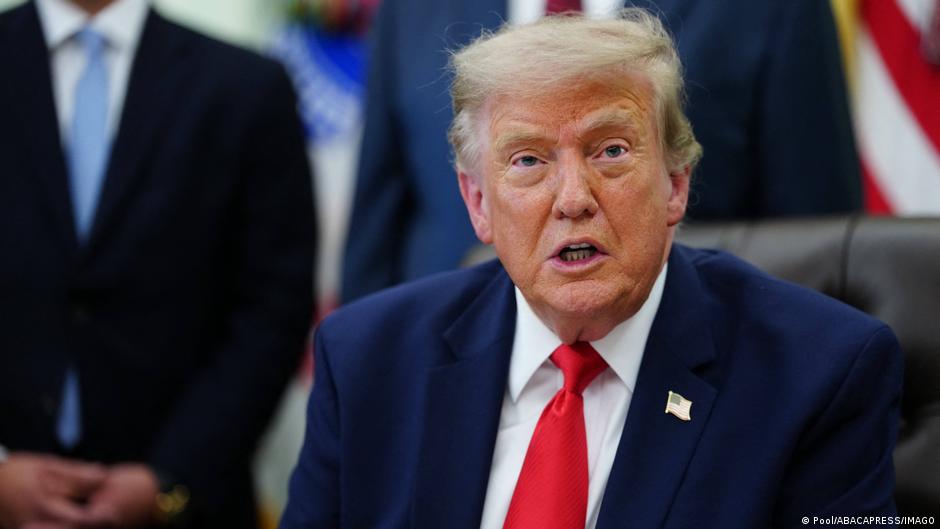
As Iran War Turns Into Economic Battle, a New U.S. Strategy Recalls Old Ones
The New York Times • 7/24/2026 – 8/16/2026
Summary
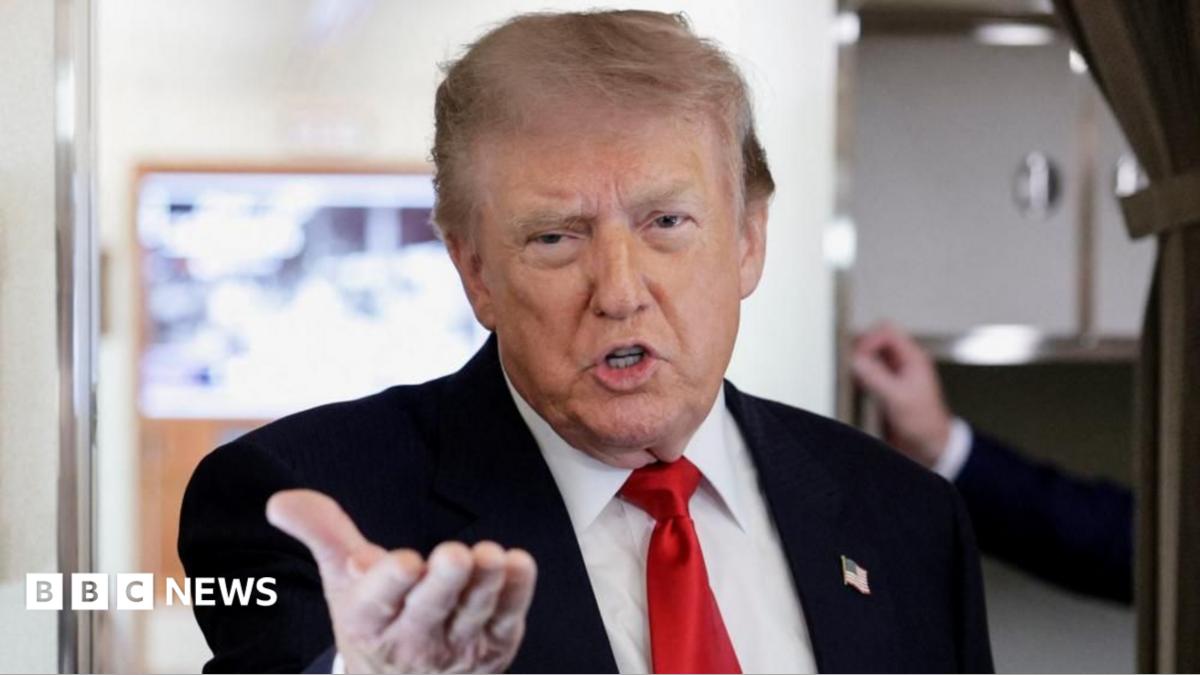
The United States and Iran are approaching a deadline for negotiations regarding peace and Iran's nuclear program, with ongoing discussions taking place despite a pause in U.S. military strikes. U.S. President Donald Trump has indicated that he is prepared to allow economic pressure to mount against Iran, reverting to a strategy of increasing economic sanctions and implementing a naval blockade aimed at stifling Iranian oil exports. This approach reflects a return to familiar tactics in dealing with the Iranian regime, which Trump described as "entrenched" (Japan Times). Israeli Prime Minister Benjamin Netanyahu met with Trump in Washington, marking their first meeting since the onset of military action against Iran. The meeting lasted nearly an hour and a half and was described as “positive and productive” by White House press secretary Karoline Leavitt. Discussions focused on Iran, with Trump emphasizing the potential for military action against Iranian targets if diplomatic efforts fail. He characterized the ongoing talks as “good” and noted the limited time available for negotiations (Times of Israel, Middle East Eye). During this period, Iran executed two individuals for their involvement in anti-government protests, highlighting the tense situation in the region. The U.S. has paused military strikes on Iran after 13 consecutive days of attacks, allowing for diplomatic discussions to progress. U.S. Ambassador to the United Nations, Mike Waltz, stated that Trump is "giving a little bit of room" for these negotiations, while Iran's deputy foreign minister denied that any direct talks are taking place (South China Morning Post, Japan Times). The geopolitical context is further complicated by ongoing conflicts in Ukraine and the Middle East, with the U.S. Senate poised to vote on sanctions against Russia. Both Netanyahu and Ukrainian President Volodymyr Zelenskyy participated in high-stakes talks with Trump, reflecting the urgency of addressing multiple international crises simultaneously. The outcomes of these discussions could significantly influence U.S. foreign policy and military strategy in both regions (Middle East Eye).
Advertisement
Cluster Activity
Lindy Score Breakdown (V4.2)
Story Timeline
- 2026-07-24
- 2026-07-25
- 2026-07-26
- 2026-07-27
- 2026-07-28
- 2026-07-29
- 2026-08-01
- 2026-08-02
Score BreakdownRisk 30
Stories gain Lindy status through source reputation, network consensus, and time survival.
Same Story from 11 sources




Breaking Similar stories





Anti-Lindy Similar stories