Edison's 1879 bulb experiments may have unintentionally produced graphene - Phys.org
Google News • 1/24/2026 – 1/26/2026
Summary
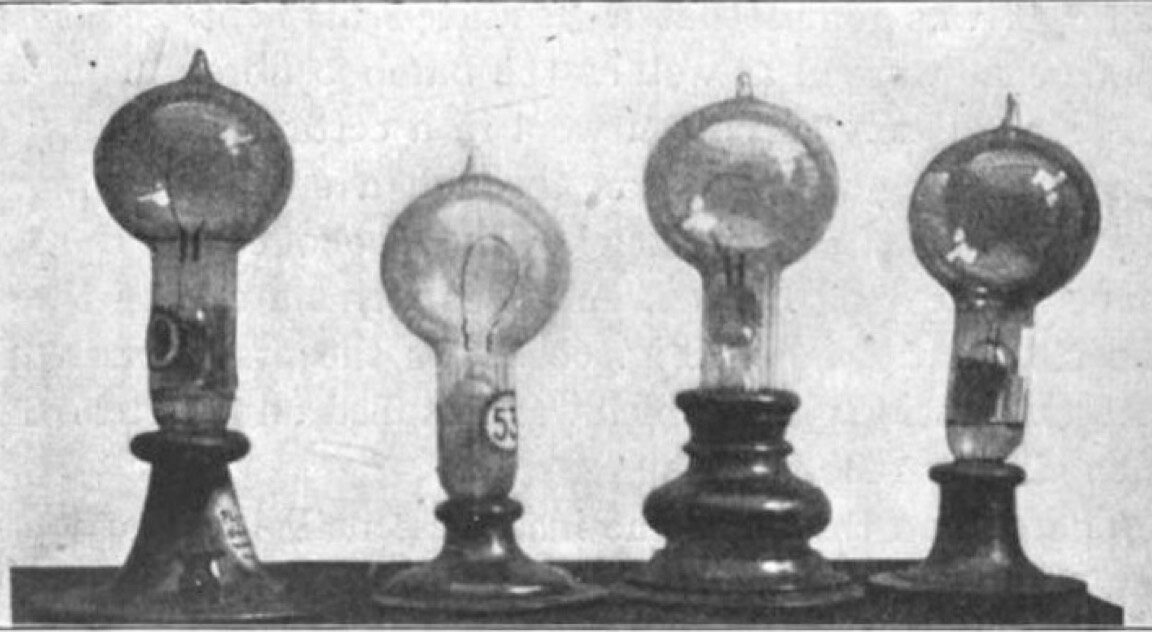
In a recent study, chemists from Rice University replicated Thomas Edison's 1879 experiments with light bulbs and discovered that the process may have unintentionally produced graphene, a material known for its remarkable properties. Edison's original experiments focused on creating a practical incandescent light bulb, and while the primary goal was to develop a reliable light source, the researchers found that the conditions in the bulb could have led to the formation of graphene as a byproduct. The Rice team conducted their replication of Edison's work to explore the chemical processes involved in the production of light. During their experiments, they observed that the carbon filament used by Edison could have undergone thermal decomposition, resulting in the formation of graphene. This finding suggests that Edison's work may have had unintended consequences that contributed to the early understanding of graphene, a material that has gained significant attention in modern science and technology for its potential applications. The implications of this discovery highlight the importance of historical scientific experiments, as they can yield unexpected results that may influence future research. The accidental production of graphene during Edison's bulb experiments illustrates how scientific inquiry can lead to new insights, even when the original objectives differ from the outcomes. This research not only sheds light on Edison's contributions to science but also opens up new avenues for exploring the properties and applications of graphene.
Advertisement
Lindy Score Breakdown (V4.2)
Story Timeline
- 2026-01-24Edison's 1879 bulb experiments may have unintentionally produced graphene - Phys.org (current)
Score BreakdownRisk 35
Stories gain Lindy status through source reputation, network consensus, and time survival.
Same Story from 3 sources
Breaking Similar stories

Anti-Lindy Similar stories