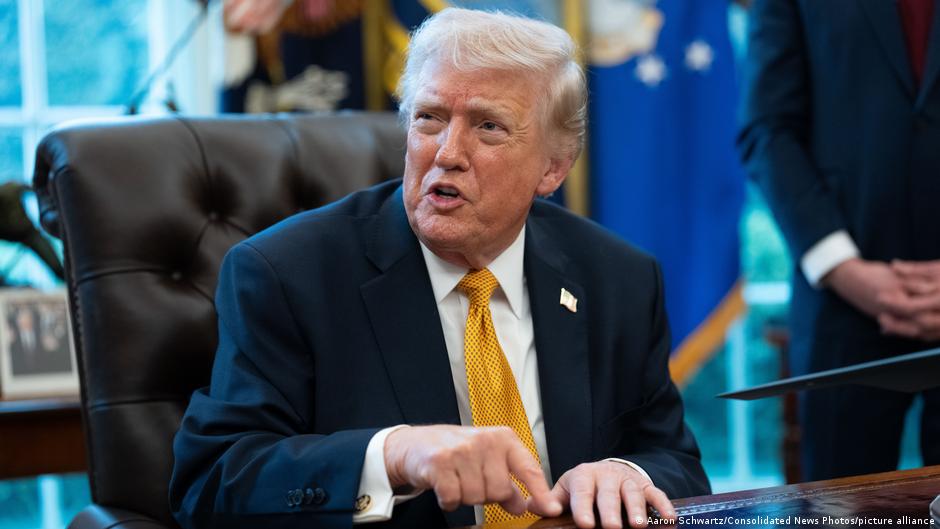
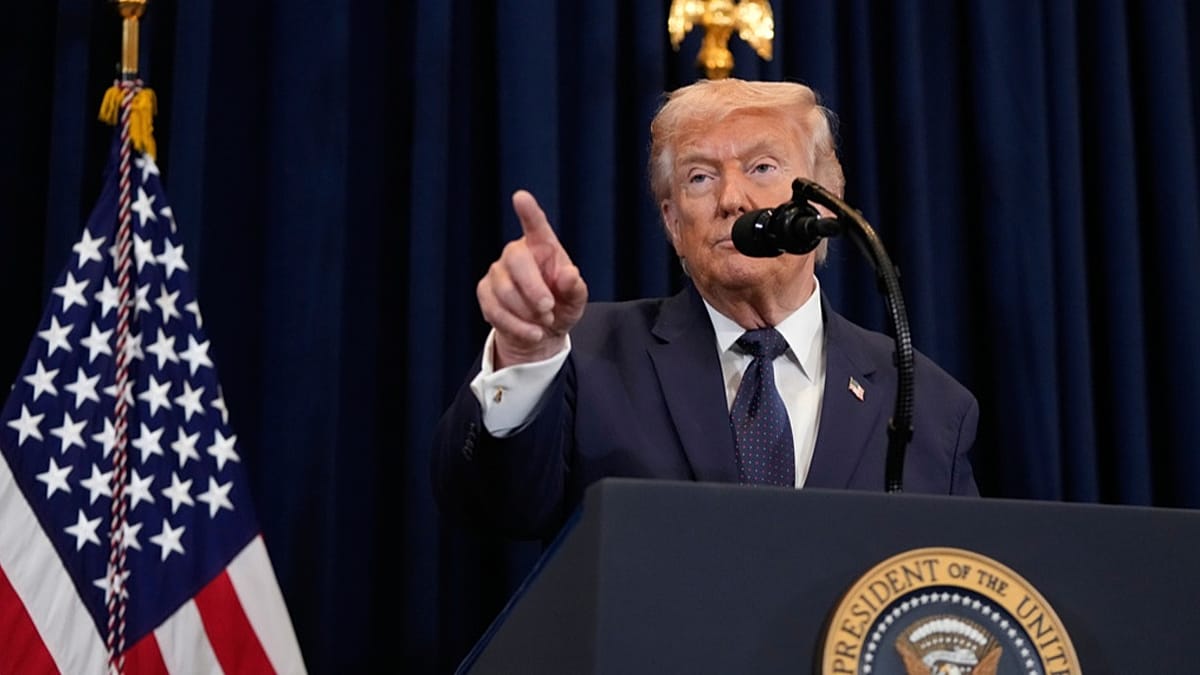
Is Trump about to attack Iran? – The Latest
The Guardian • 1/28/2026 – 1/30/2026

Summary
Donald Trump has indicated that time is limited for Iran, as tensions escalate and the possibility of military action looms. The U.S. is reportedly deploying a significant naval force towards the region, suggesting a potential strike against Iran. This development follows Trump's calls for negotiations regarding Iran's nuclear program, which came shortly after he had promised support to Iranian protesters but later retracted those assurances. This situation underscores the ongoing volatility in U.S.-Iran relations, a dynamic that has historical roots dating back to the 1979 Iranian Revolution and the subsequent U.S. sanctions and military interventions. The current escalation reflects a broader pattern of geopolitical maneuvering where military presence is often used as a tool of diplomacy. The implications of this standoff extend beyond immediate military concerns, as it could influence global oil markets, regional stability in the Middle East, and U.S. foreign policy strategies. The potential for conflict with Iran remains a critical issue, resonating with past U.S. engagements in the region and highlighting the complexities of international diplomacy in addressing nuclear proliferation and regional security.
Advertisement
Cluster Activity
Lindy Score Breakdown (V4.2)
Story Timeline
- 2026-01-28
- 2026-01-29Is Trump about to attack Iran? – The Latest (current)
Score BreakdownRisk 35
Stories gain Lindy status through source reputation, network consensus, and time survival.
Same Story from 3 sources


Breaking Similar stories


Anti-Lindy Similar stories