STAT+: What stands between brain implants and FDA approval?
Stat News • 2/26/2026
Summary
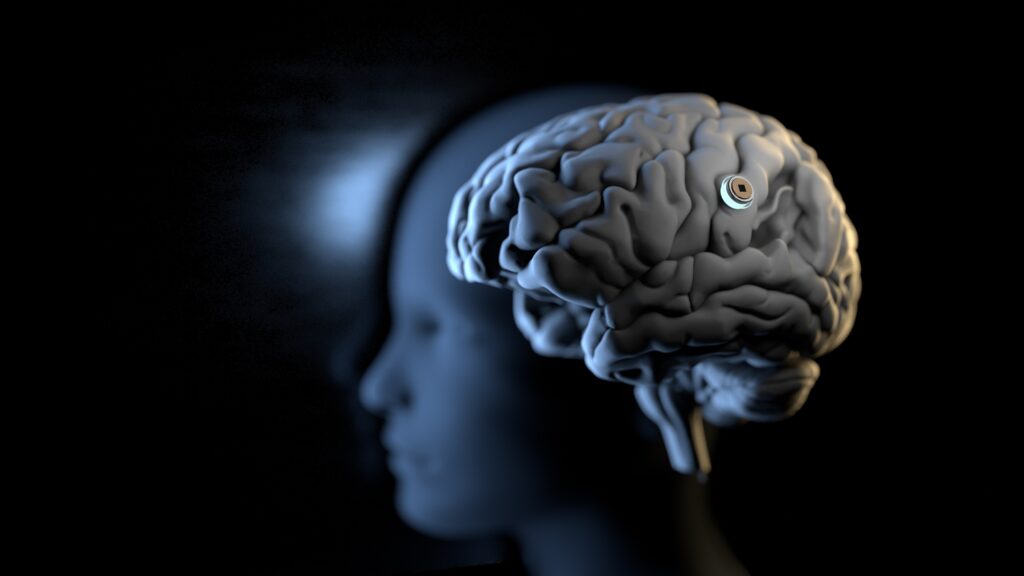
Thirty years after the initial demonstration of brain implants enabling rhesus monkeys to control robotic limbs with their minds, the pathway to clinical application for this technology remains fraught with uncertainty. Startups developing brain-computer interfaces face significant regulatory challenges that hinder their progress toward pivotal trials and eventual FDA approval. The complexities of the regulatory landscape are a critical barrier that must be navigated before these technologies can be widely adopted in clinical settings. The development of brain implants involves intricate scientific and ethical considerations, which contribute to the lengthy approval process. Regulatory bodies, including the FDA, require comprehensive data on safety and efficacy before granting approval for human trials. This necessitates extensive preclinical testing and a clear demonstration of the technology's benefits over existing treatments. As a result, many startups find themselves in a prolonged cycle of research and development, struggling to meet the stringent requirements set forth by regulatory agencies. Moreover, the uncertainty surrounding the clinical pathway for brain-computer interfaces has implications for funding and investment in this emerging field. Investors may be hesitant to commit resources to projects that face unclear regulatory outcomes, further complicating the landscape for startups. The interplay between innovation, regulation, and funding is crucial in determining the future of brain implants and their potential to transform medical treatment for neurological conditions.
Advertisement
Lindy Score Breakdown (V4.2)
Story Timeline
- 2026-02-26STAT+: What stands between brain implants and FDA approval? (current)
Score BreakdownRisk 50
Stories gain Lindy status through source reputation, network consensus, and time survival.
Same Story from 2 sources

Breaking Similar stories