Pakistan: 145 militants killed after suicide and gun attacks
Deutsche Welle • 1/31/2026 – 2/1/2026
Summary
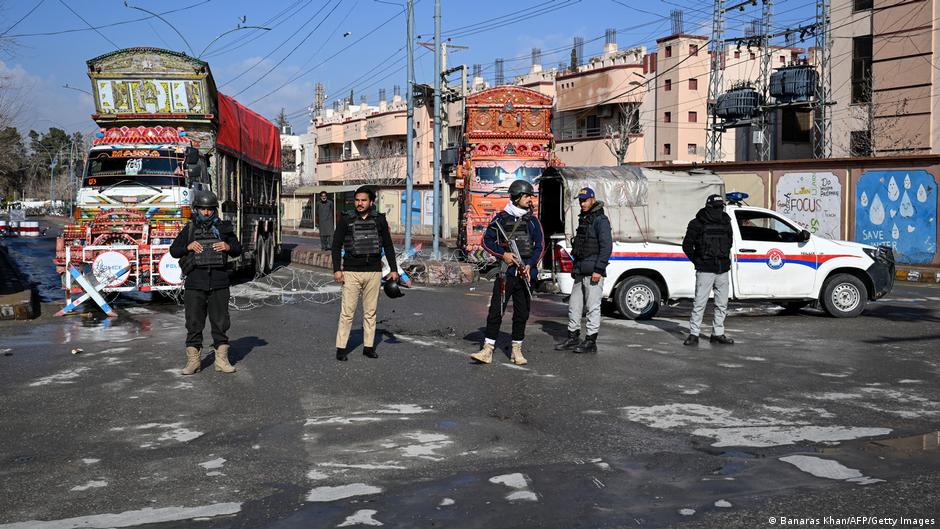
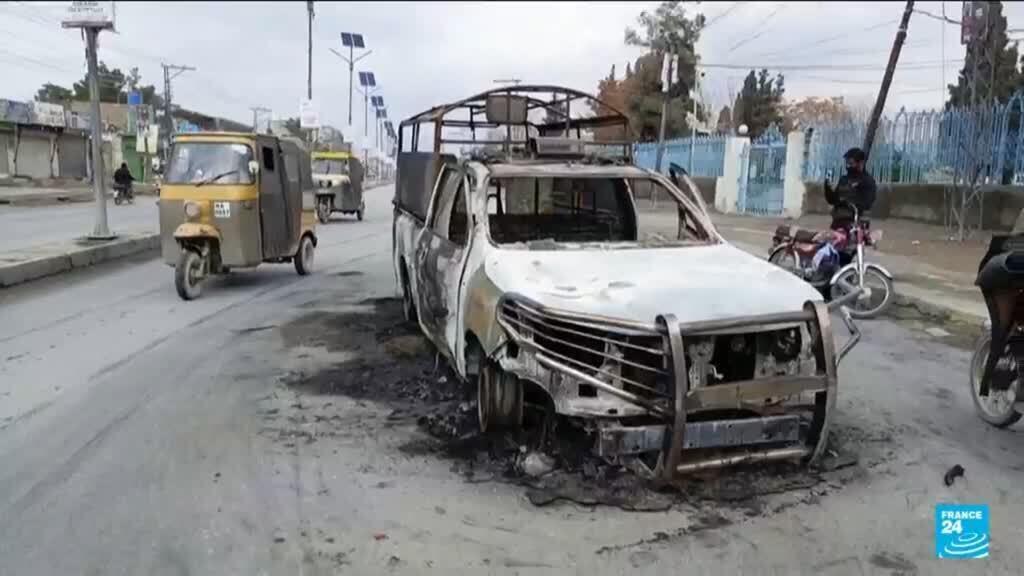
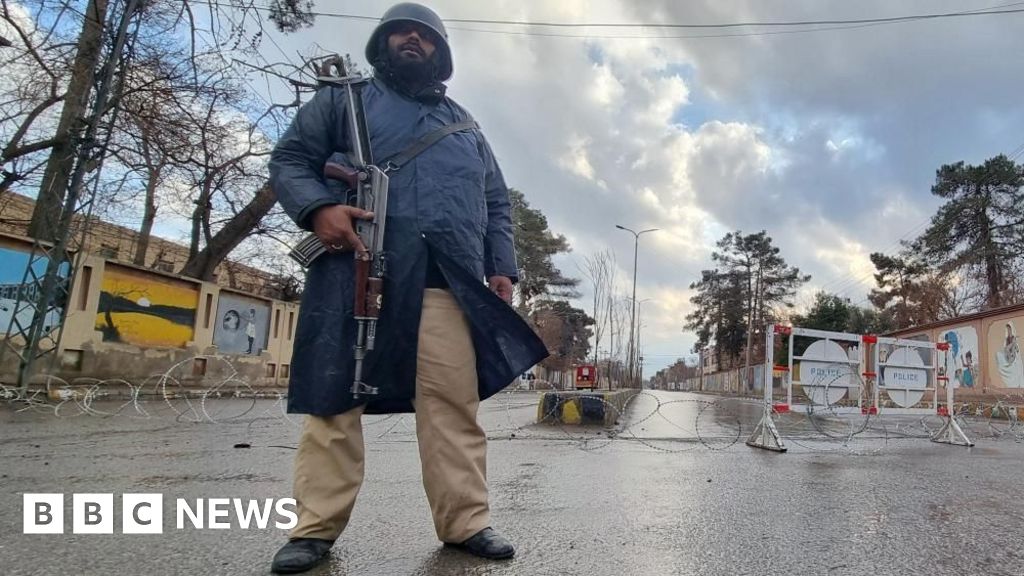
A series of coordinated attacks in Pakistan's southwestern Balochistan province has resulted in significant casualties, with reports indicating that over 190 individuals have died in just two days. Among the deceased are at least 31 civilians and 17 security personnel (France24, South China Morning Post). The violence has been attributed to separatist groups, prompting the Pakistani government to vow retaliation against those responsible for the assaults (South China Morning Post). In response to the escalating conflict, the Pakistani military has launched a major operation in Balochistan, reportedly killing at least 145 militants involved in the attacks (France24, Al Jazeera). The military's actions include the deployment of helicopters and drones to target Baloch rebels, reflecting an escalation in efforts to restore order in the region (Al Jazeera). Additionally, the military has sealed off around a dozen sites where the attacks occurred to facilitate their operations (South China Morning Post). The ongoing conflict in Balochistan is deeply rooted in issues surrounding ethnic identity, resource distribution, and regional autonomy. The Baloch people have long sought greater control over their natural resources and political representation, which has led to a cycle of violence and military intervention (Al Jazeera). This situation underscores the challenges faced by the Pakistani government in addressing the grievances of minority populations, highlighting the need for comprehensive strategies that extend beyond military solutions (Al Jazeera). The attacks occurred in various locations, including the provincial capital Quetta, and have prompted a significant military response from the Pakistani government (South China Morning Post). The military's decisive actions illustrate its commitment to quelling insurgency and maintaining order amidst a backdrop of historical grievances, reflecting a broader pattern of violence where local discontent intersects with national policies (Al Jazeera).
Advertisement
Cluster Activity
Lindy Score Breakdown (V4.2)
Story Timeline
- 2026-01-31
- 2026-02-01Pakistan: 145 militants killed after suicide and gun attacks (current)
- 2026-02-02
- 2026-02-04
Score BreakdownRisk 25
Stories gain Lindy status through source reputation, network consensus, and time survival.
Same Story from 7 sources




Breaking Similar stories



Anti-Lindy Similar stories