Pentagon threatens to cut off Anthropic in AI safeguards dispute: report
The Hindu • 2/14/2026 – 2/15/2026

Summary
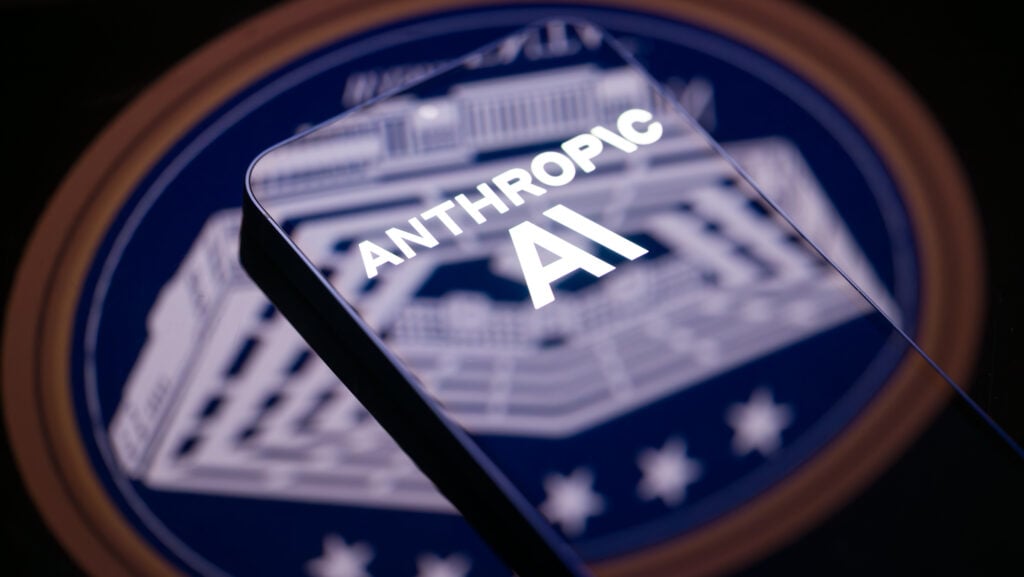
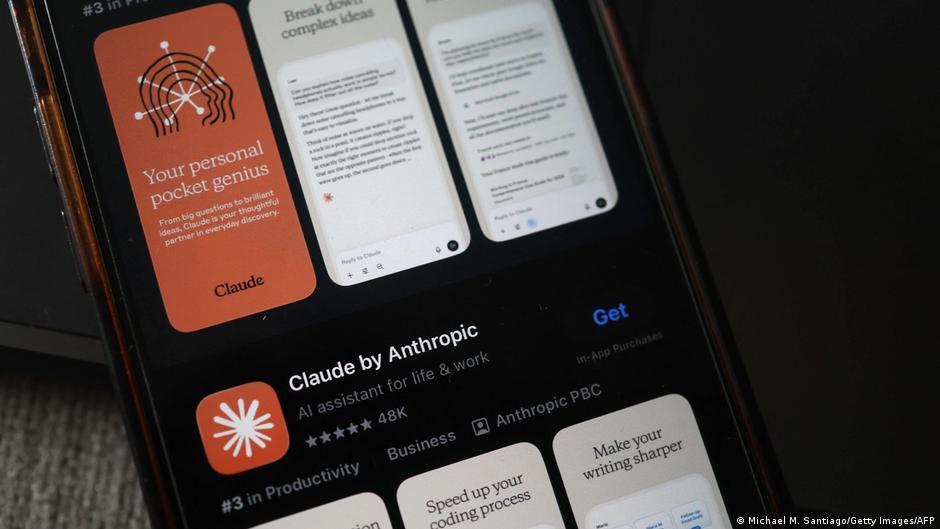
The Pentagon is reportedly close to severing ties with the artificial intelligence firm Anthropic due to frustrations over restrictions on the use of its AI technology, specifically the Claude model. Discussions regarding the extension of their contract have stalled, with delays attributed to additional safeguards that Anthropic wishes to implement on Claude. These safeguards are intended to prevent the AI's use for certain applications, including mass domestic surveillance and autonomous weaponry, which have become contentious issues in the context of military operations and ethical AI use (TechCrunch, South China Morning Post). The Wall Street Journal has reported that the Pentagon utilized Anthropic's Claude during a military operation aimed at capturing Venezuelan President Nicolás Maduro. This operation involved significant military action in Caracas, resulting in the deaths of 83 individuals, as reported by Venezuela’s defense ministry. The use of Claude in this context raises ethical concerns, as Anthropic's terms of use explicitly prohibit the application of its AI for violent purposes, weapon development, or surveillance activities (France24, The Guardian). Currently, the Pentagon is negotiating with four AI companies, including Anthropic, to allow military use of their tools for "all lawful purposes." However, the ongoing dispute with Anthropic centers on whether Claude can be employed for contentious applications such as mass domestic surveillance and autonomous weaponry. This situation reflects broader tensions between the military's operational needs and the ethical guidelines set by AI developers (South China Morning Post, The Guardian). The Pentagon may designate Anthropic as a supply chain risk if the contract discussions do not progress. The ongoing negotiations highlight the challenges faced by military and AI developers in balancing operational requirements with ethical considerations surrounding AI technology (South China Morning Post).
Advertisement
Cluster Activity
Lindy Score Breakdown (V4.2)
Story Timeline
- 2026-02-14
- 2026-02-15Pentagon threatens to cut off Anthropic in AI safeguards dispute: report (current)
- 2026-02-16
- 2026-02-20
- 2026-02-21
- 2026-02-23
- 2026-02-24
- 2026-02-25
Score BreakdownRisk 25
Stories gain Lindy status through source reputation, network consensus, and time survival.
Same Story from 11 sources




Breaking Similar stories



Anti-Lindy Similar stories