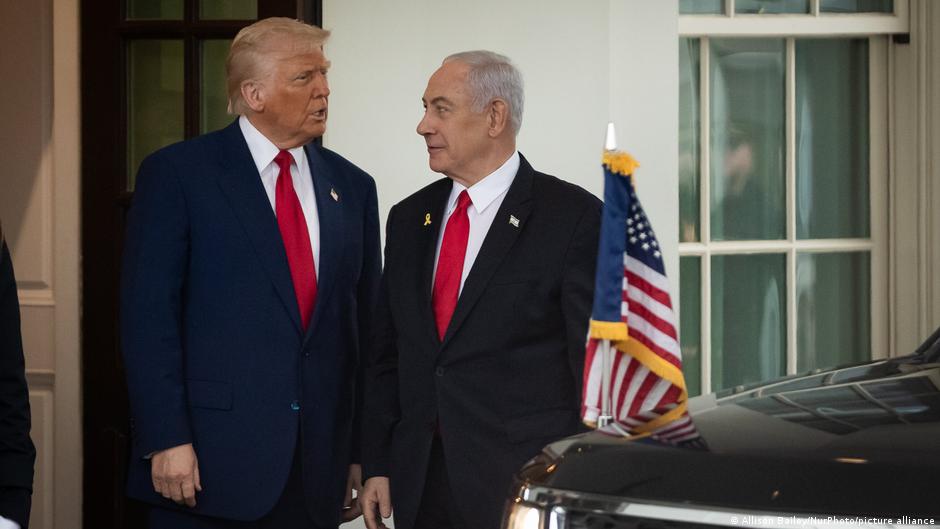
Trump says Saudi Arabia must recognise Israel to move forward with nuclear pact
Middle East Eye • 8/25/2026 – 8/26/2026

Summary
US President Donald Trump has submitted a civilian nuclear cooperation agreement with Saudi Arabia to Congress for review. This agreement, which aims to bolster Saudi Arabia's nuclear program, is contingent upon the kingdom normalizing relations with Israel and joining the Abraham Accords, as stated by an administration official. Trump's position indicates a significant shift in the conditions surrounding the nuclear pact, which had already been signed prior to this declaration. In a post on Truth Social, Trump emphasized that the nuclear deal is "totally subject" to Saudi Arabia's recognition of Israel. White House Press Secretary Karoline Leavitt confirmed that without Saudi Arabia's normalization with Israel, "the deal is off." This new condition was not mentioned in the administration's announcement of the deal just a day earlier, raising concerns about the stability of the agreement. The Abraham Accords, brokered during Trump's first term, represent a diplomatic effort to foster relations between Israel and several Arab nations. Trump's insistence on linking the nuclear agreement to Saudi Arabia's recognition of Israel underscores the interconnected nature of diplomatic relations in the Middle East. This development may affect the dynamics of Middle Eastern diplomacy, particularly regarding Israel and its neighboring countries. The implications of Trump's position have led to confusion about the future of the U.S.-supported civilian nuclear program in Saudi Arabia. By tying the nuclear deal to the recognition of Israel, Trump reinforces the importance of the Abraham Accords in the broader context of regional stability and cooperation. Various news outlets, including NBC News, Reuters, and Al Jazeera, have reported on this insistence, highlighting the potential challenges ahead for the agreement.
Advertisement
Lindy Score Breakdown (V4.2)
Score BreakdownRisk 50
Stories gain Lindy status through source reputation, network consensus, and time survival.
Breaking Similar stories








Anti-Lindy Similar stories