Q&A: Gas fermentation could be game changer for the circular economy - Phys.org
Phys.org • 2/21/2026 – 2/22/2026
Summary
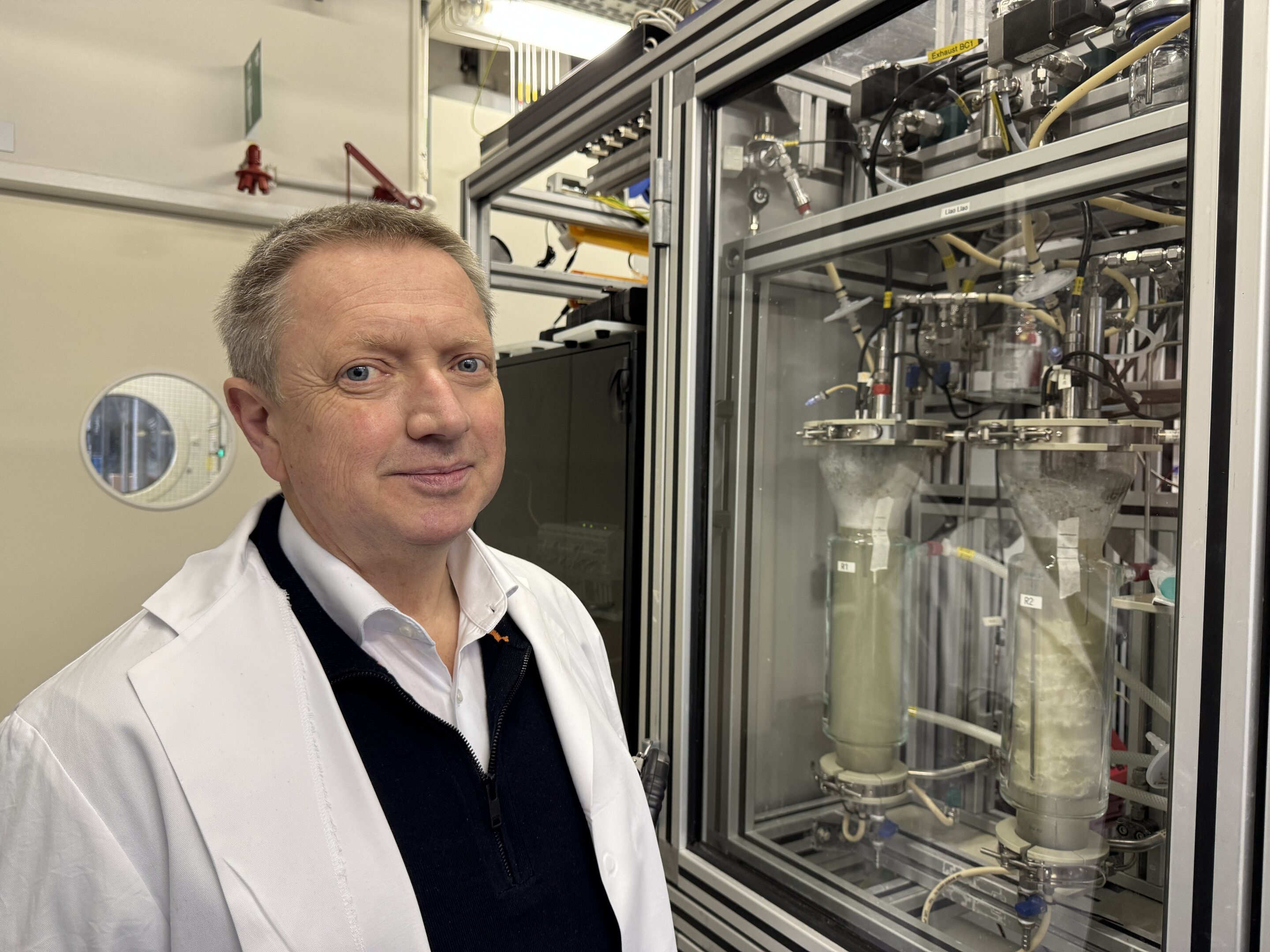
Gas fermentation is emerging as a significant technology within the framework of the circular economy, which aims to close material cycles, reduce waste, and maintain raw materials within the economic system. This innovative biotechnological process utilizes exhaust gases, particularly carbon dioxide, as feedstocks to create valuable products. By transforming industrial emissions into useful materials, gas fermentation presents a novel approach to addressing environmental challenges associated with waste and emissions. The central goals of the circular economy emphasize the importance of recycling and sustainable practices. Gas fermentation aligns with these objectives by offering a method to repurpose waste gases that would otherwise contribute to pollution. While the technology shows promise, it is important to note that certain aspects of gas fermentation are still in the research phase, indicating that further development and optimization are necessary before it can be widely implemented. The potential of gas fermentation to contribute to a more sustainable industrial process highlights the need for continued innovation in recycling technologies. As industries seek to minimize their environmental impact, gas fermentation could play a crucial role in achieving a more circular economy. The ongoing research into this technology is essential for unlocking its full capabilities and ensuring its effectiveness in reducing waste and emissions in the long term.
Advertisement
Lindy Score Breakdown (V4.2)
Story Timeline
- 2026-02-21Q&A: Gas fermentation could be game changer for the circular economy - Phys.org (current)
Score BreakdownRisk 50
Stories gain Lindy status through source reputation, network consensus, and time survival.
Same Story from 2 sources
Breaking Similar stories

Anti-Lindy Similar stories