Human Heart Tissue Actually Can Regenerate After a Heart Attack, New Study Shows - ScienceAlert
Google News • 1/19/2026 – 1/23/2026

Summary
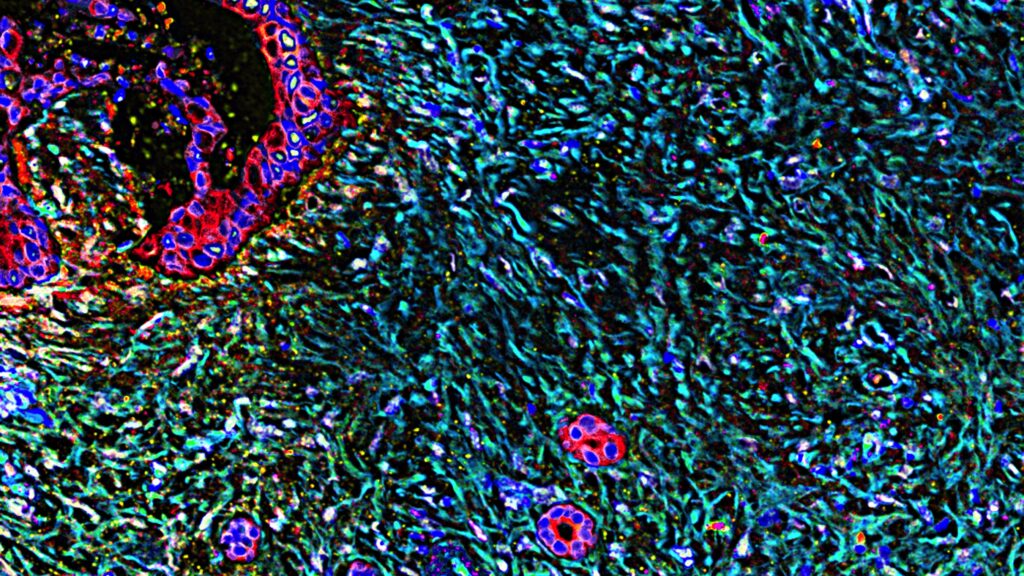
A recent study has revealed that human heart tissue can regenerate after a heart attack, challenging long-held beliefs in cardiovascular health. Researchers found that the human heart is capable of regrowing muscle cells following a cardiac event, which was previously thought to be impossible according to traditional medical textbooks. This discovery offers new hope for treatments related to heart failure and other cardiovascular conditions (ScienceAlert, Medical Xpress, Health and Me). The study, conducted by Australian researchers, highlights the heart's potential for natural repair mechanisms. The findings indicate that the heart can produce new muscle cells, which could significantly impact how heart attacks and heart failure are treated in the future. This regenerative ability may lead to advancements in therapies aimed at enhancing heart recovery and improving patient outcomes (The Age, indica News). The implications of this research are profound, as it opens avenues for developing new medical interventions that harness the heart's regenerative capabilities. By understanding the mechanisms behind this regeneration, scientists hope to create strategies that could promote healing in patients who have suffered from heart attacks (Mathrubhumi English, ddnews.gov.in). Overall, this groundbreaking study marks a significant shift in the understanding of heart health and regeneration, suggesting that the human heart possesses more resilience than previously recognized. The potential for muscle cell regrowth could revolutionize the approach to treating heart-related ailments and improve the quality of life for many individuals affected by cardiovascular diseases (NDTV).
Advertisement
Cluster Activity
Lindy Score Breakdown (V4.2)
Story Timeline
- 2026-01-19
- 2026-01-21Human Heart Tissue Actually Can Regenerate After a Heart Attack, New Study Shows - ScienceAlert (current)
Score BreakdownRisk 35
Stories gain Lindy status through source reputation, network consensus, and time survival.
Same Story from 2 sources
Breaking Similar stories