How China buried Tibet flood images after Nepal disaster
Deutsche Welle • 8/31/2026
Summary
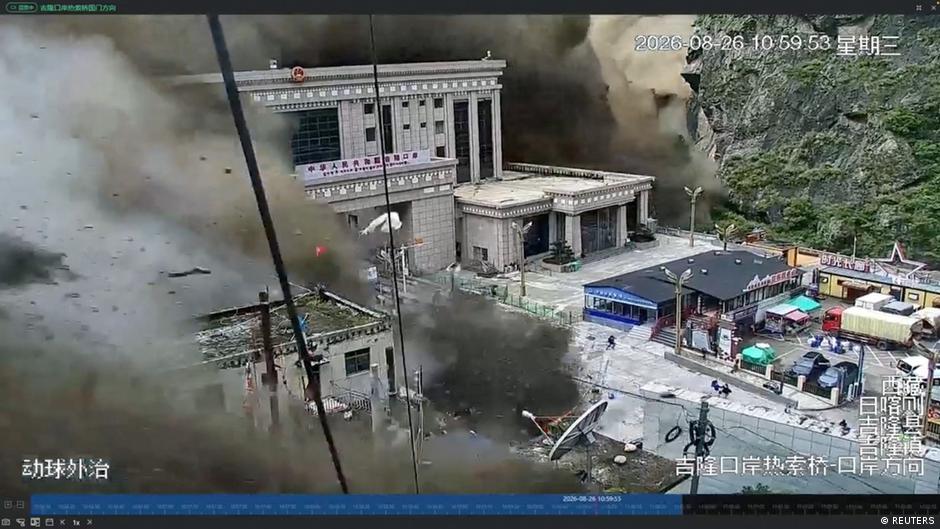
A flood has caused significant devastation along the China-Nepal border, impacting communities in both regions. In Tibet, however, the aftermath of the disaster has been met with a digital crackdown by Chinese authorities. Following the flood, censors in China erased viral footage that depicted the disaster's impact, while state media inundated social media platforms with official content that presented a sanitized version of events. This approach contrasts sharply with the media coverage in Nepal, where journalists are able to report freely on the grief and anger experienced by the population. The Chinese government's response to the flood in Tibet has been characterized by strict censorship aimed at controlling the narrative surrounding the disaster. Official media outlets have focused on disseminating content that aligns with the government's preferred portrayal of the situation, effectively suppressing dissenting voices and alternative perspectives. This has led to a stark difference in how the disaster is reported and perceived in Tibet compared to Nepal, where the media landscape allows for a more open expression of public sentiment. The contrasting media environments highlight the broader issues of censorship and state control in China, particularly in regions like Tibet, where the government maintains tight restrictions on information. The digital crackdown following the flood serves as a reminder of the lengths to which authorities will go to manage public perception and maintain a specific narrative, even in the wake of natural disasters that have profound human consequences.
Advertisement
Lindy Score Breakdown (V4.2)
Score BreakdownRisk 50
Stories gain Lindy status through source reputation, network consensus, and time survival.
Breaking Similar stories








Anti-Lindy Similar stories