World is entering time of ‘great power politics’, warns German chancellor
The Guardian • 1/22/2026

Summary
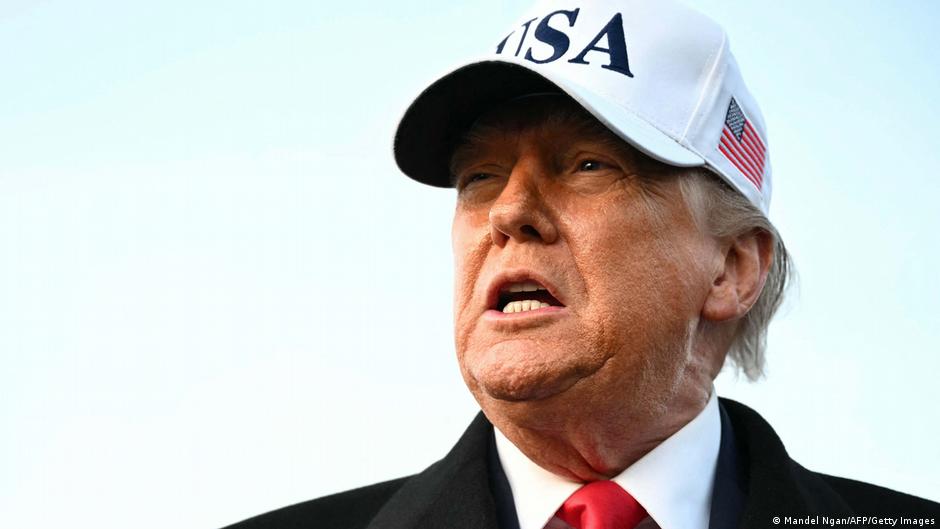
At the World Economic Forum in Davos, German Chancellor Friedrich Merz highlighted the emergence of "great power politics," emphasizing the rapid transformation of the global order. He pointed to significant geopolitical events, including Russia's ongoing conflict with Ukraine and China's ascension as a major global player, alongside shifts in U.S. foreign policy under former President Donald Trump. This discussion resonates beyond the immediate news cycle as it reflects a historical pattern of power dynamics shifting among nations. The concept of great power politics is not new; it has been a recurring theme throughout history, often leading to conflicts and realignments. The current geopolitical landscape underscores the fragility of international stability and the potential for increased tensions as nations vie for influence. Understanding these dynamics is crucial for leaders and policymakers, as they navigate a world where traditional alliances may be tested and new rivalries emerge. The implications of this shift are significant, affecting global trade, security, and diplomatic relations, making it a critical issue for both current and future generations.
Advertisement
Lindy Score Breakdown (V4.2)
Score BreakdownRisk 35
Stories gain Lindy status through source reputation, network consensus, and time survival.
Breaking Similar stories






Anti-Lindy Similar stories