Nazis, Soviets and Trump: America’s Fixation With Greenland
The New York Times • 1/23/2026 – 1/26/2026
Summary
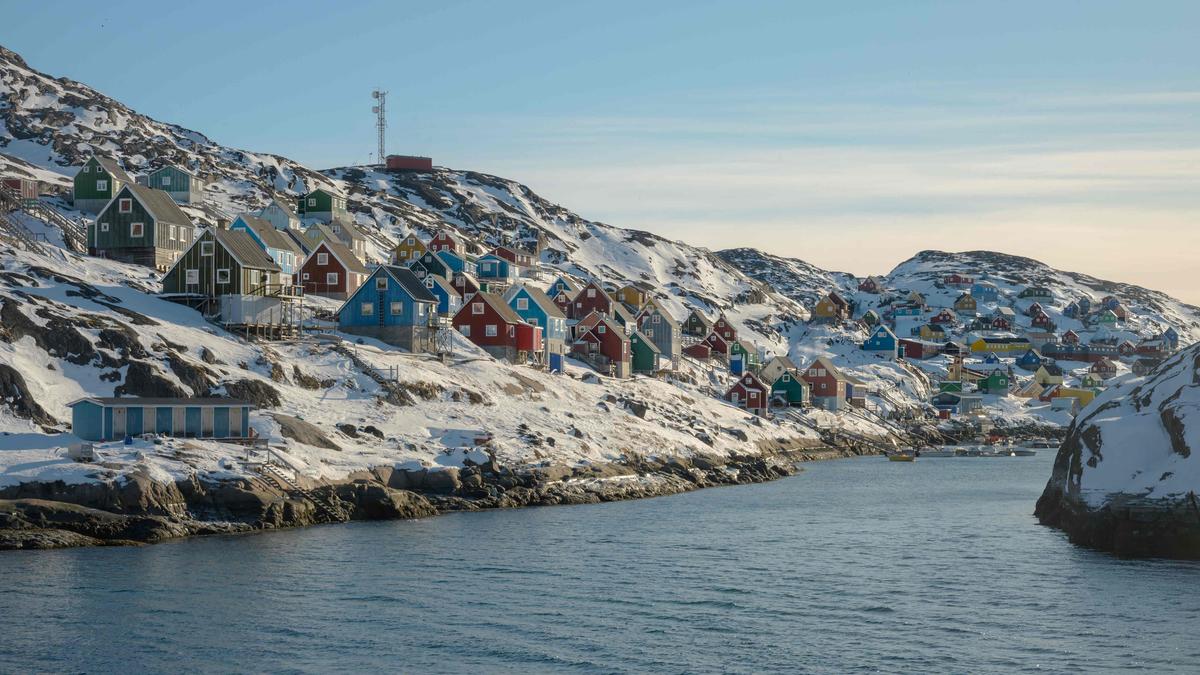
The recent resurgence of interest in Greenland's strategic importance to the United States has been notably amplified during the Trump administration. This renewed focus reflects historical patterns dating back to World War II, when both Nazi Germany and the Soviet Union sought to exert influence over the territory due to its geopolitical significance. The discussion around Greenland's value has resurfaced in contemporary political discourse, highlighting its role in global power dynamics. This narrative surrounding Greenland illustrates a long-standing American preoccupation with territorial control and strategic positioning. The historical context reveals a consistent theme of great powers vying for dominance in key regions, which resonates with current geopolitical tensions. The fixation on Greenland also underscores the broader implications of national security and resource management, as nations navigate the complexities of international relations. As global competition intensifies, the significance of Greenland as a potential military and economic asset remains relevant, ensuring that discussions about its role will persist beyond immediate news cycles. This enduring interest reflects a timeless concept of strategic geography, where control over critical locations continues to shape global power structures.
Advertisement
Lindy Score Breakdown (V4.2)
Score BreakdownRisk 35
Stories gain Lindy status through source reputation, network consensus, and time survival.
Breaking Similar stories




Anti-Lindy Similar stories