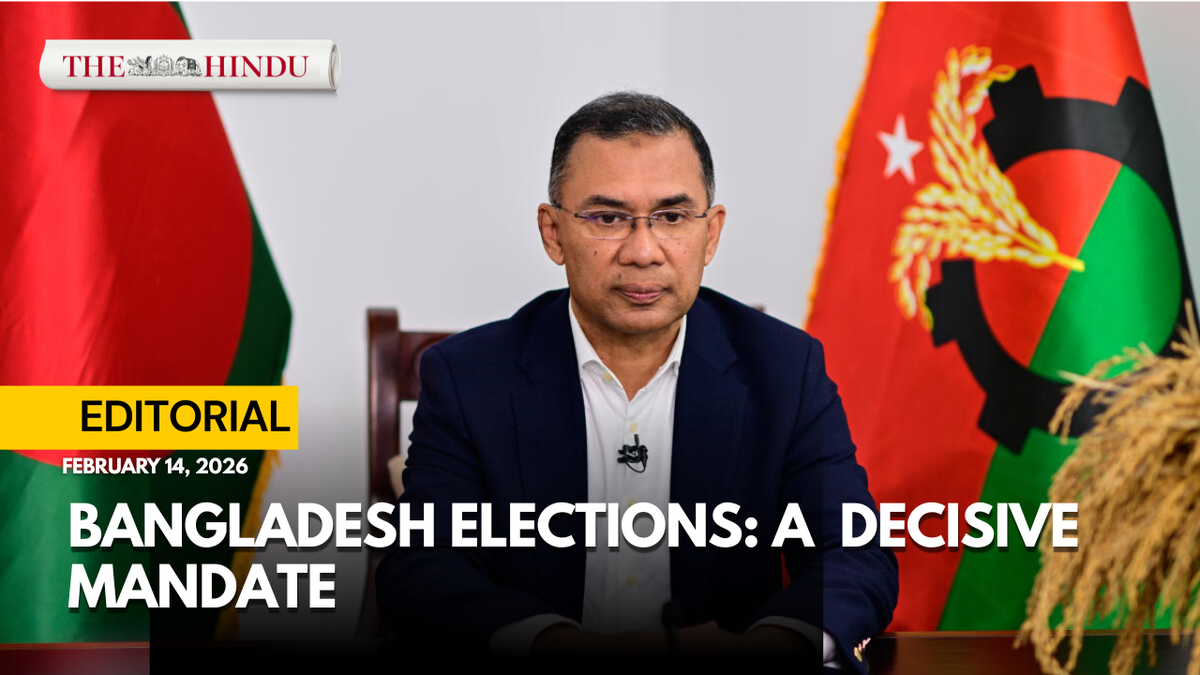
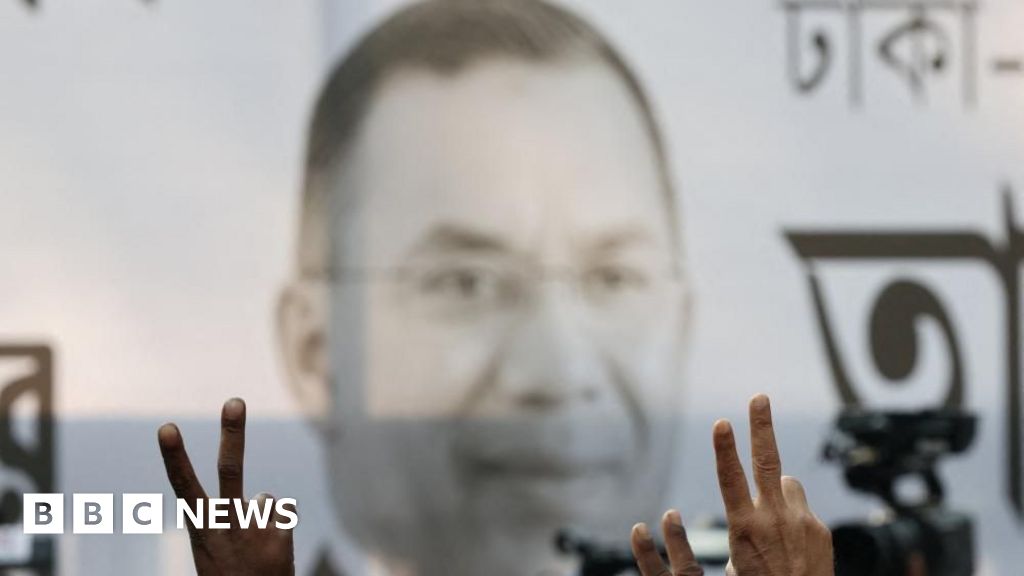
BNP leader cheered by supporters after Bangladesh election
Al Jazeera • 2/11/2026 – 2/13/2026

Summary
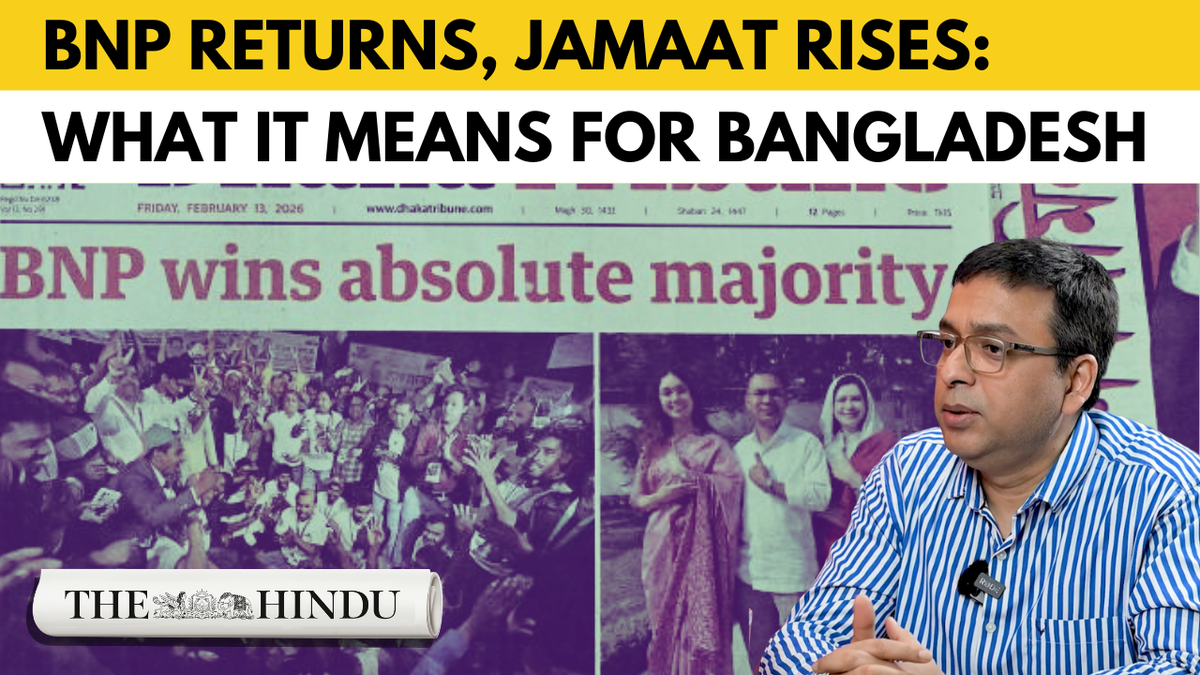
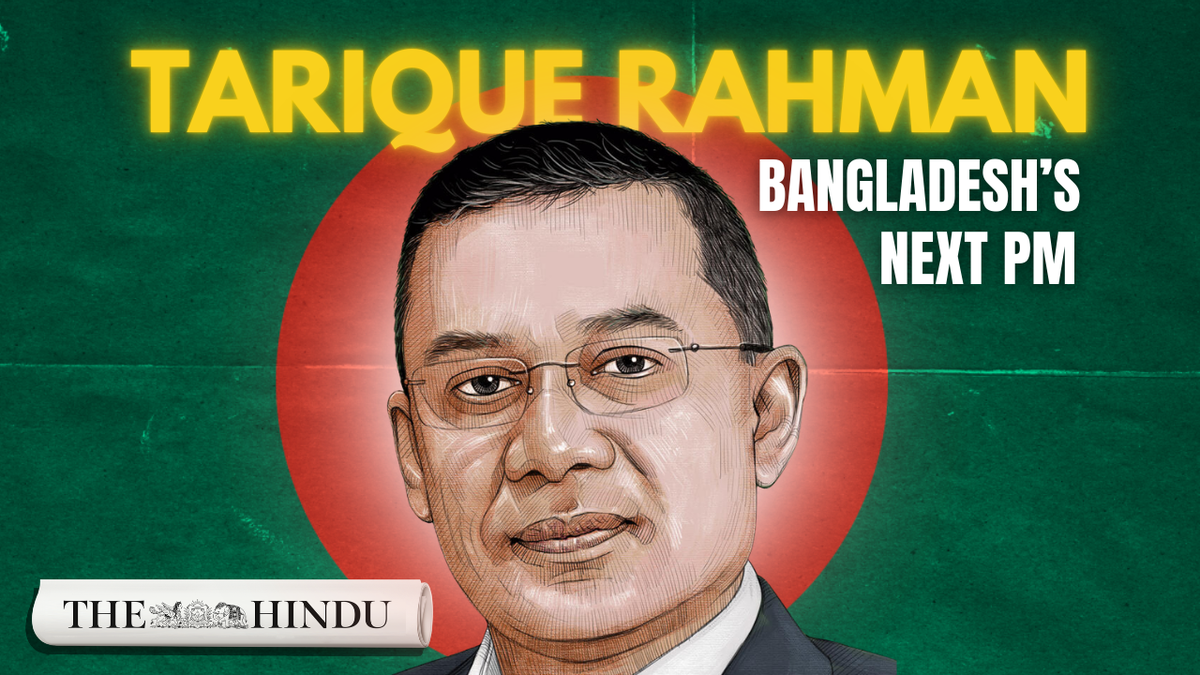
The Bangladesh Nationalist Party (BNP) has won the general election held on February 12, 2026, marking a significant political shift in the country. The party's leader, Tarique Rahman, who recently returned from a self-imposed exile in London, is poised to form the next government. This election follows a period of unrest and economic disruption in Bangladesh, as well as the removal of former leader Sheikh Hasina, whose party was barred from participating in the election. The BNP's victory is seen as a response to the public's desire for a return to democracy after 15 years of authoritarian rule under Hasina. Tarique Rahman was greeted by supporters and surrounded by photographers as he celebrated the BNP's historic victory. The election results indicate a clear mandate for the BNP, as rival Jamaat-e-Islami, led by Shafiqur Rahman, conceded defeat and expressed intentions to provide constructive opposition. This election is notable not only for the BNP's success but also for the context of the Gen Z uprising that contributed to the political landscape leading up to the vote. The BNP's triumph is characterized as a landmark event in Bangladesh's political history, with Rahman expected to make a striking political debut as the new prime minister. The party's victory reflects a significant change in the political dynamics of Bangladesh, as voters have expressed their hope for a more democratic governance structure following years of authoritarian rule.
Advertisement
Cluster Activity
Lindy Score Breakdown (V4.2)
Story Timeline
- 2026-02-11
- 2026-02-12
- 2026-02-13BNP leader cheered by supporters after Bangladesh election (current)
- 2026-02-14
AnalysisRisk 10
Same Story from 11 sources






Breaking Similar stories




Anti-Lindy Similar stories