What does Trump want from Iran?
The Hindu • 2/24/2026 – 2/26/2026

Summary
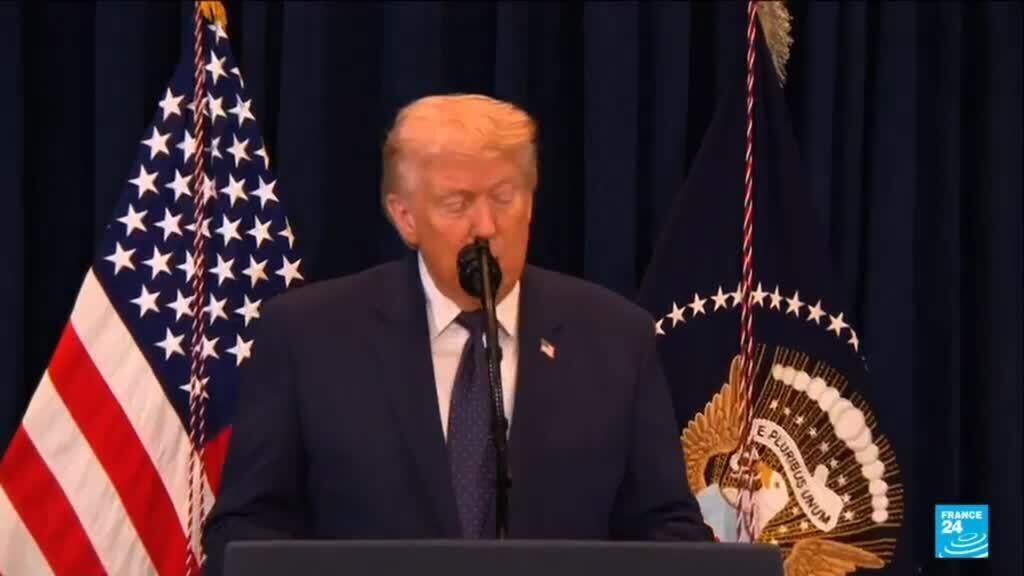
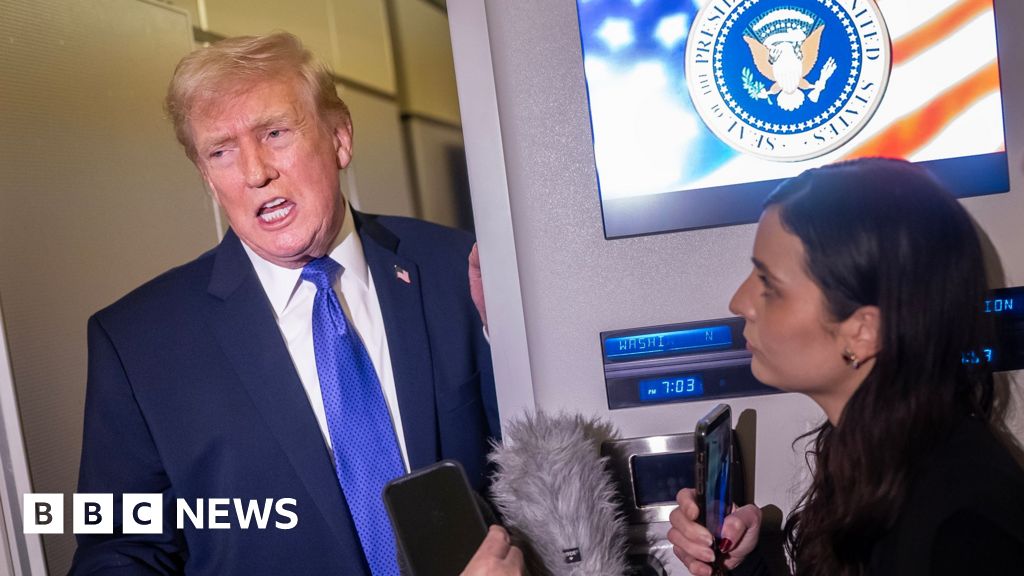
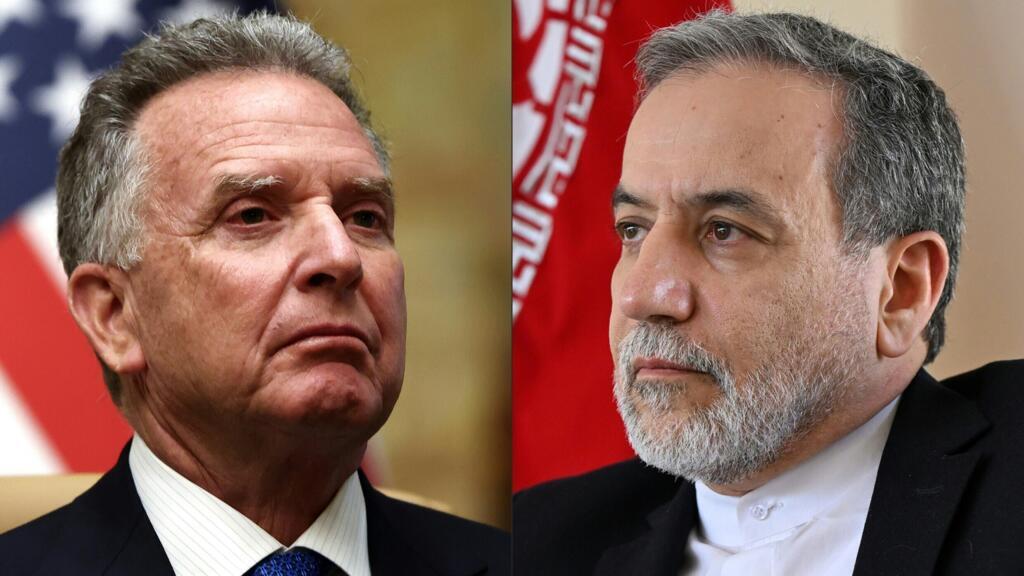
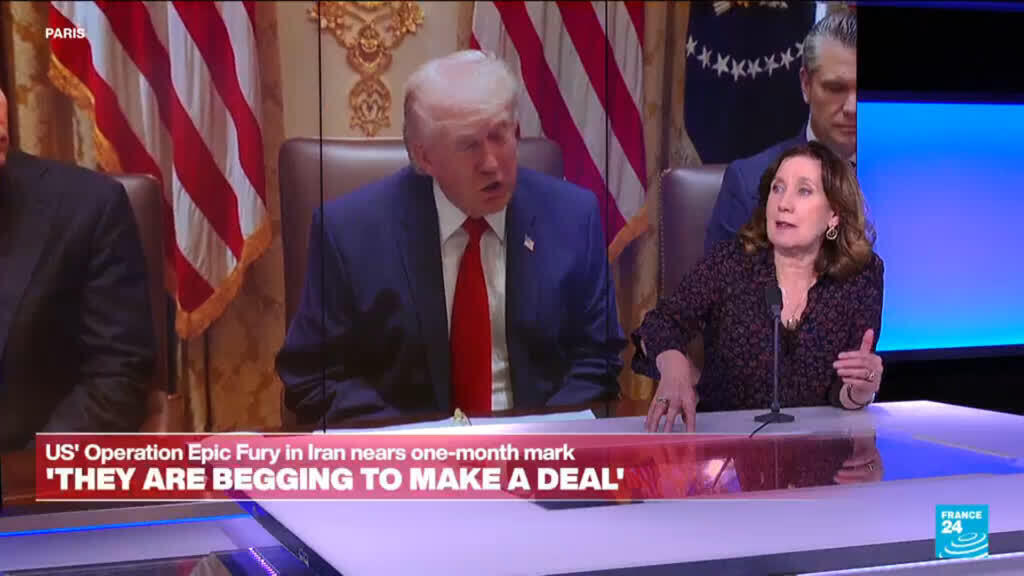
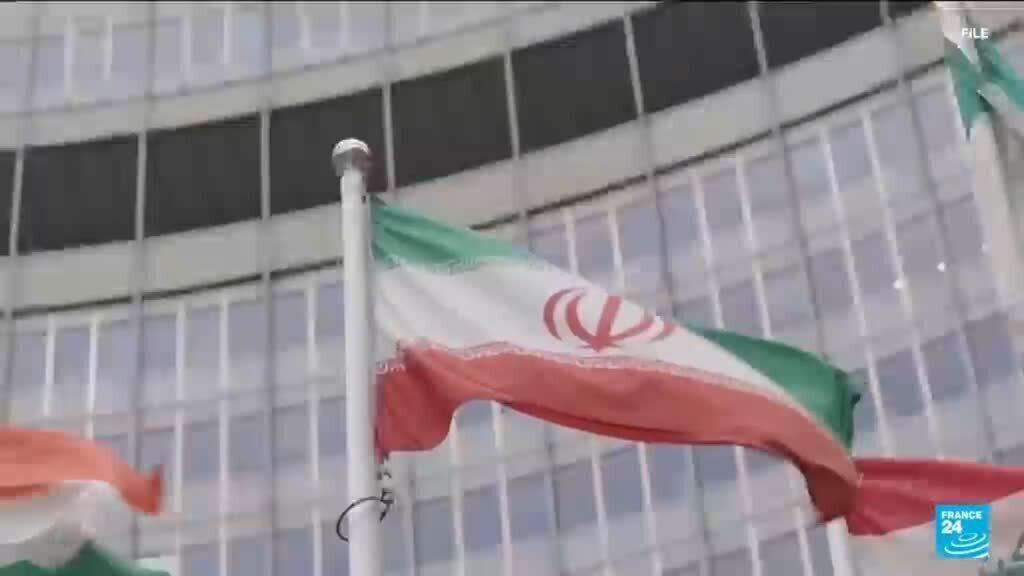
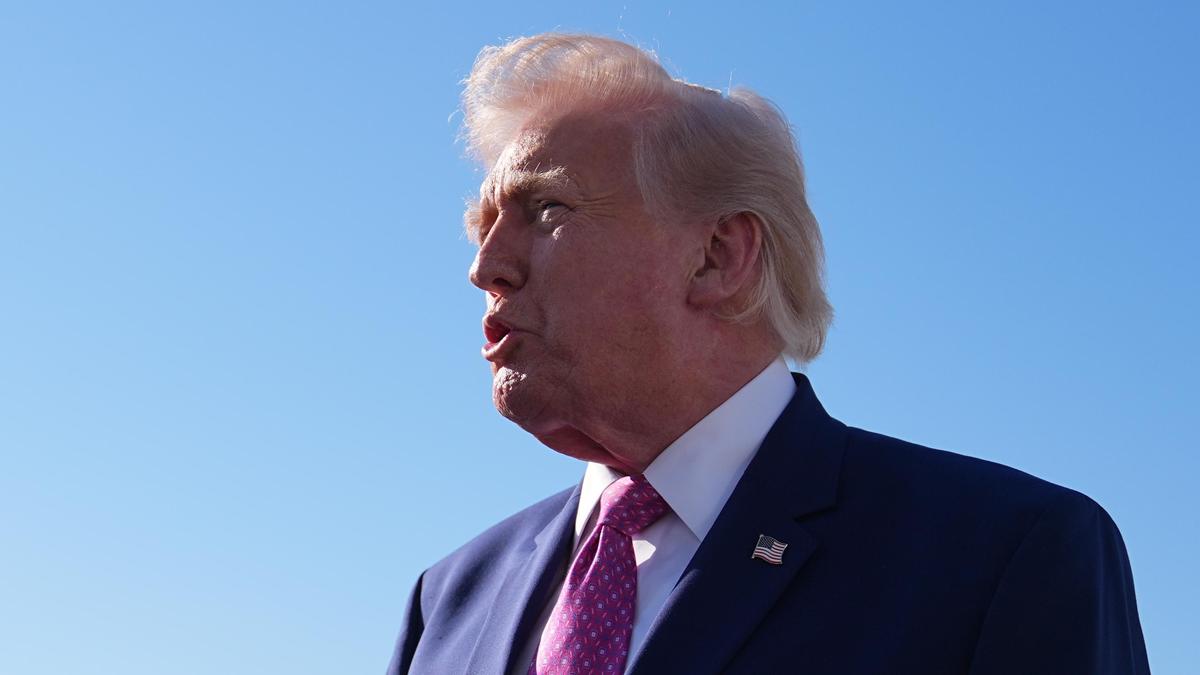
On January 29, President Donald Trump shifted his focus from protests in Iran to urging Tehran to negotiate a deal regarding its nuclear program. This marked a significant change in his approach, as earlier in January, he had threatened military action against Iran without mentioning the nuclear issue (PRIMARY SOURCE). During his State of the Union speech, Trump reiterated that Iran would never be allowed to develop a nuclear weapon, asserting that the country's leaders were "at this moment again pursuing their sinister nuclear ambitions" (The Hindu). In the same speech, Trump laid out his case for a potential military attack on Iran, labeling it the "world's biggest sponsor of terrorism" and emphasizing that he would not permit the nation to acquire nuclear capabilities (South China Morning Post, Japan Times). Despite the military buildup in the Middle East, Trump has not provided substantial explanations to the American public regarding the rationale behind possibly leading the U.S. into aggressive action against Iran since the 1979 revolution (South China Morning Post). In response to Trump's allegations, Iran has rejected claims regarding its missile program, calling them "big lies" (The Hindu, France24). As negotiations are set to resume in Geneva, Iran's negotiating team is preparing to engage with U.S. envoys Steve Witkoff and Jared Kushner (France24). The Iranian government has dismissed Trump's assertions about missile threats to Europe and American bases, as well as claims that they are developing missiles capable of reaching the United States (France24).
Advertisement
Cluster Activity
Lindy Score Breakdown (V4.2)
Story Timeline
- 2026-02-24
- 2026-02-25
- 2026-02-26What does Trump want from Iran? (current)
- 2026-03-10
Score BreakdownRisk 25
Stories gain Lindy status through source reputation, network consensus, and time survival.
Same Story from 11 sources



Breaking Similar stories


Anti-Lindy Similar stories