The Secret Weapon to Fight a Cold Is Inside Your Nose, New Study Finds - The Wall Street Journal
Google News • 1/19/2026 – 1/21/2026

Summary
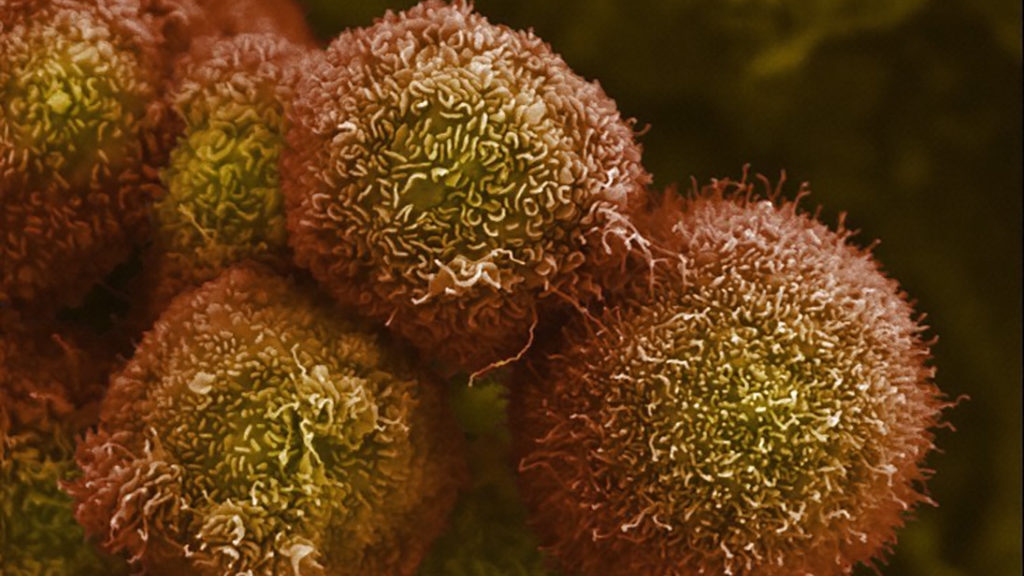
A recent study has identified that nasal cells play a crucial role in combating the common cold by producing interferons, which are proteins that help fight off viral infections. This finding highlights the importance of the nasal passages in the immune response to rhinovirus infections, the primary cause of colds. The study suggests that the effectiveness of these nasal cells can vary among individuals, which may explain why the same cold virus can lead to different levels of illness severity in different people. Research indicates that some individuals experience mild symptoms, such as sniffles, while others may suffer from more severe reactions. This variability can be attributed to the strength of the interferon response in the nasal passages. The study emphasizes that a robust interferon response can help prevent the cold virus from replicating and spreading, thereby reducing the severity of symptoms. The findings suggest that enhancing the interferon response could be a potential strategy for developing treatments for colds. The study's implications extend to understanding why certain individuals are more susceptible to severe cold symptoms. Factors such as genetic differences, overall health, and prior exposure to viruses may influence how effectively a person's nasal cells respond to infections. This research provides new insights into the mechanisms of the immune response in the nasal passages and could lead to improved therapeutic approaches for managing cold symptoms.
Advertisement
Lindy Score Breakdown (V4.2)
Story Timeline
- 2026-01-19The Secret Weapon to Fight a Cold Is Inside Your Nose, New Study Finds - The Wall Street Journal (current)
Score BreakdownRisk 35
Stories gain Lindy status through source reputation, network consensus, and time survival.
Same Story from 3 sources

Breaking Similar stories