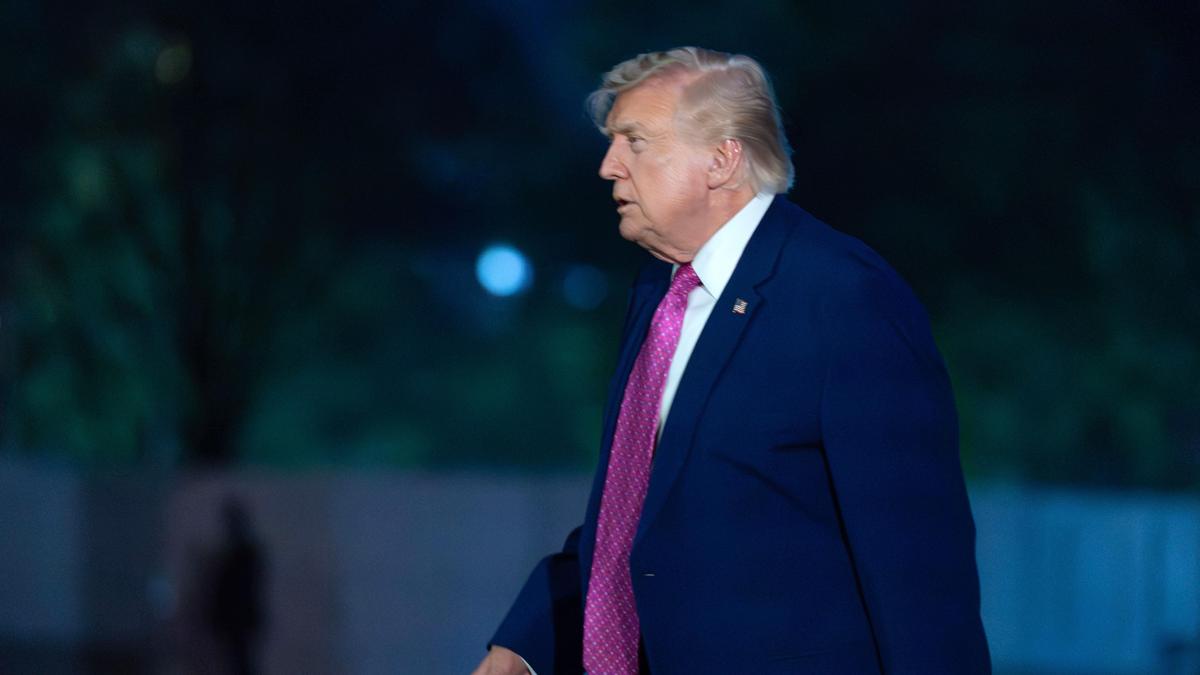
UAE oil exit from OPEC signals focus on domestic priorities
Deutsche Welle • 4/28/2026 – 4/30/2026

Summary
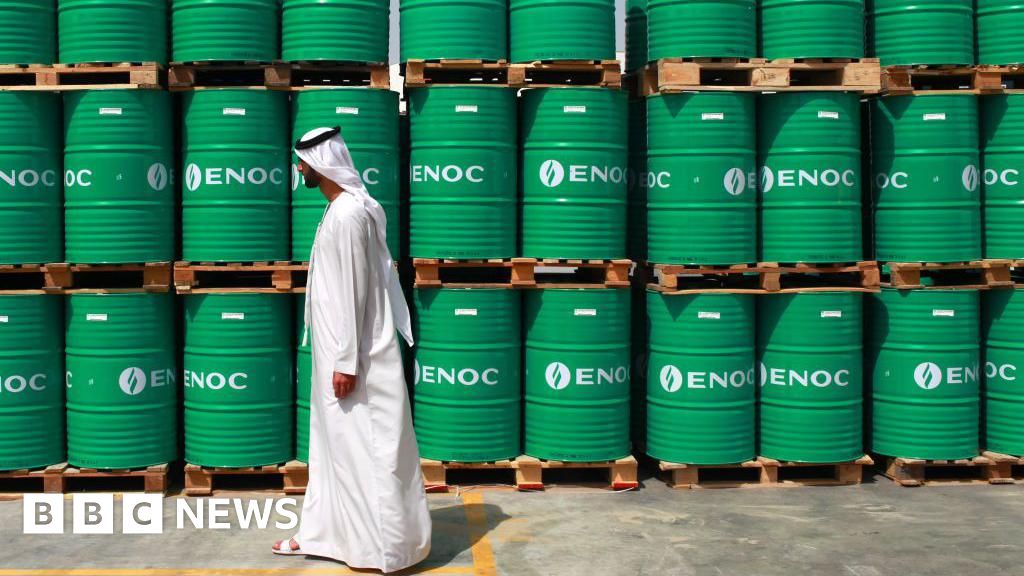
The United Arab Emirates (UAE) has officially exited the Organization of the Petroleum Exporting Countries (OPEC), marking a significant geopolitical shift and sending a clear message to Saudi Arabia. This decision comes as the UAE, one of OPEC's top three producers, has expressed frustration over production quotas that limit its output to between 3.2 and 3.4 million barrels per day, despite its capacity nearing five million barrels per day. The timing of the UAE's departure is particularly notable given the increasing tensions in the Gulf region, especially with the ongoing Iranian attacks, which have included over 2,800 drones and missiles targeting the UAE (The Hindu, NBC News). The exit from OPEC is expected to have implications for the dynamics between the UAE and Saudi Arabia, as it strips Saudi Arabia of a key partner within the cartel. This move could lead to increased uncertainty regarding OPEC's future and its ability to manage oil prices through supply adjustments (Deutsche Welle, Japan Times). The UAE's decision to prioritize its domestic oil production over OPEC's collective agreements reflects a shift in its energy strategy, allowing it to pump oil on its own terms (Deutsche Welle). While the immediate effects on current oil blockades may be minimal, the long-term consequences of the UAE's exit could be significant, potentially altering the balance of power within the region and affecting relationships with other nations, including the United States and Israel (BBC). The departure of the UAE from OPEC could lead to a re-evaluation of alliances and energy policies in the Gulf, as the UAE seeks to assert its independence in oil production and management (NBC News).
Advertisement
Cluster Activity
Lindy Score Breakdown (V4.2)
Story Timeline
- 2026-04-28
- 2026-04-29
- 2026-04-30UAE oil exit from OPEC signals focus on domestic priorities (current)
Score BreakdownRisk 45
Stories gain Lindy status through source reputation, network consensus, and time survival.
Same Story from 8 sources





Breaking Similar stories




Anti-Lindy Similar stories