Fraidy-Cat at the Pentagon
The New York Times • 10/17/2025 – 10/21/2025

Summary
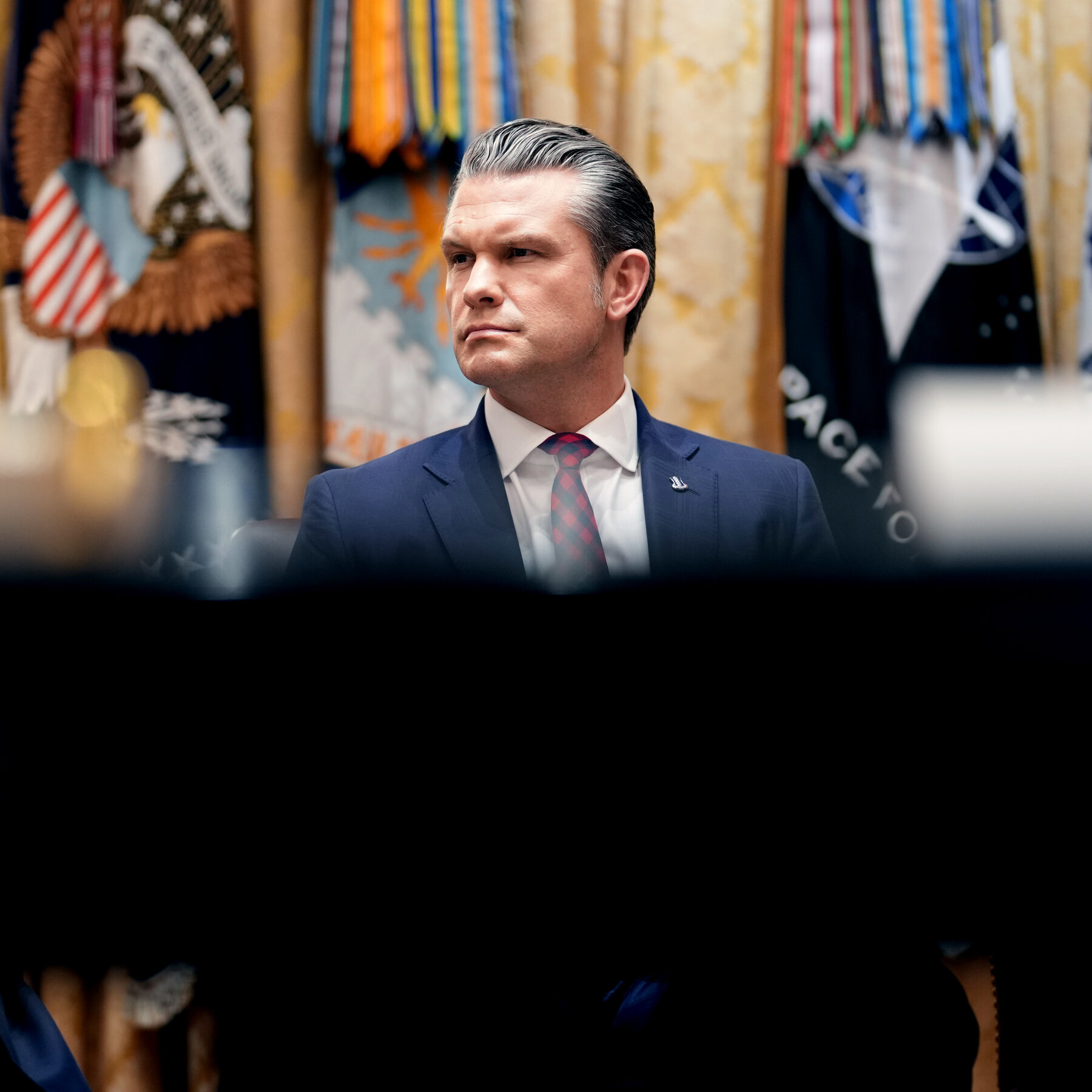
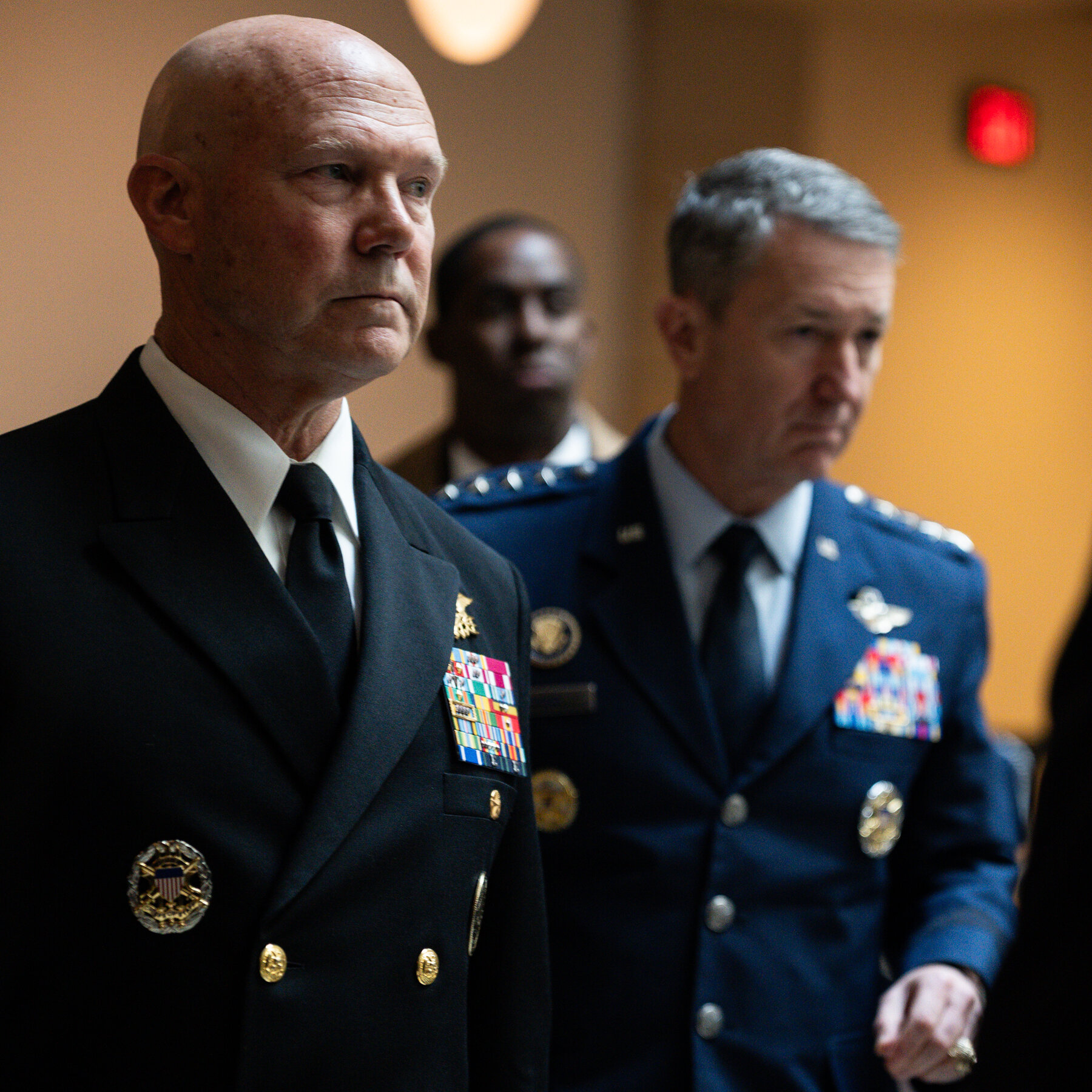
The U.S. military conducted a strike in the Caribbean Sea that resulted in the deaths of six individuals, marking the tenth strike in the Trump administration's campaign against vessels suspected of drug smuggling. This campaign has led to a total death toll of 80 since early September. Following the strike, two survivors were rescued from the water and subsequently detained, raising legal and policy challenges for the administration. Defense Secretary Pete Hegseth referred to the situation as the “fog of war,” a term that signifies the uncertainty and chaos often experienced in battle. The Pentagon initially considered sending the survivors of the U.S. attacks on boats suspected of drug smuggling to a notorious prison in El Salvador to avoid American courts. However, the search for additional survivors was winding down, as Mexican officials prepared to conclude their efforts after several days. Criticism has emerged regarding the administration's handling of the strike, particularly from Senator Mark Warner, who condemned the decision to conduct a Republicans-only briefing about the operation, describing it as “corrosive to our democracy.” In a closed-door meeting, Gen. Dan Caine, chairman of the Joint Chiefs of Staff, and Adm. Frank M. Bradley, commander of the operation, presented video footage of the strike to members of Congress. This incident has raised scrutiny over the administration's military operations and communication protocols, especially after a Pentagon watchdog reported that Hegseth may have jeopardized troop safety by sharing details about the attack in an unsecured group chat. The implications of the strike and the ongoing military campaign against drug smuggling are expected to be focal points of discussion among lawmakers and military officials in the coming days.
Advertisement
Cluster Activity
Lindy Score Breakdown (V4.2)
Story Timeline
- 2025-10-17
- 2025-10-18Fraidy-Cat at the Pentagon (current)
- 2025-10-19
- 2025-10-22
- 2025-10-24
- 2025-10-30
- 2025-10-31
- 2025-11-05
AnalysisRisk 20
Same Story from 11 sources








Breaking Similar stories

Anti-Lindy Similar stories