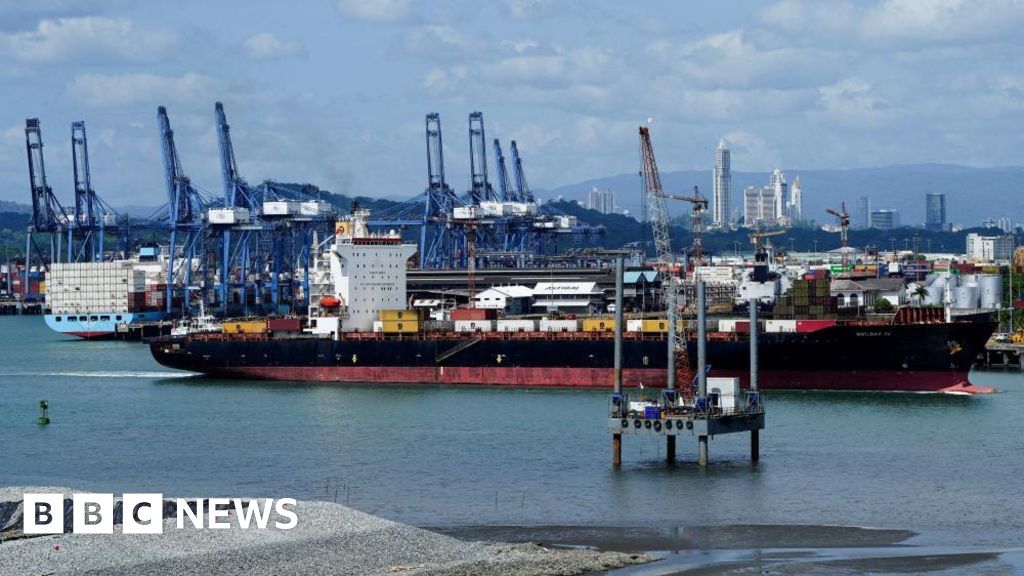
CK Hutchison unit pursues arbitration over voided Panama port rights
Nikkei Asia • 1/30/2026 – 2/4/2026
Summary
A ruling by the Panamanian Supreme Court has declared unconstitutional the concession awarded to Hong Kong-based CK Hutchison Holdings for the operation of two major ports along the Panama Canal. This decision has significant implications for the control of strategic maritime infrastructure in Panama and reflects ongoing tensions regarding foreign investment and control over critical national assets in Latin America. The ruling is part of a broader trend where countries are reassessing foreign concessions, particularly those involving entities perceived to have ties to geopolitical rivals (Nikkei Asia; Reuters). In response to the ruling, the Hong Kong and Macau Affairs Office of China criticized the decision as “legally unfounded” and warned that Panama could face heavy political and economic repercussions. The office characterized the ruling as “self-sabotaging” to Panama’s creditworthiness and indicated that it would severely damage the country’s business environment (South China Morning Post; Japan Times). This commentary highlights concerns about the potential impact on Panama's economic relations and overall investment climate. CK Hutchison Holdings is pursuing arbitration to challenge the court's decision regarding the voided port rights, indicating that the company is seeking to address the legal complexities surrounding foreign investment in strategic assets (Reuters; Nikkei Asia). The implications of this ruling may resonate beyond Panama, potentially serving as a precedent for other nations facing similar challenges regarding foreign investments and national sovereignty (South China Morning Post; Nikkei Asia). The Panama Canal is recognized as one of the world’s most strategic infrastructure assets, and the loss of this concession may have significant implications for global trade dynamics. The situation underscores the delicate balance that nations must maintain between attracting foreign capital and ensuring national control over essential infrastructure (Reuters; South China Morning Post). As legal frameworks evolve, this case may influence how other countries approach foreign concessions in the context of national security and sovereignty (Nikkei Asia).
Advertisement
Cluster Activity
Lindy Score Breakdown (V4.2)
Story Timeline
- 2026-01-30
- 2026-02-03
- 2026-02-04CK Hutchison unit pursues arbitration over voided Panama port rights (current)
- 2026-02-05
Score BreakdownRisk 25
Stories gain Lindy status through source reputation, network consensus, and time survival.
Same Story from 11 sources


Breaking Similar stories







Anti-Lindy Similar stories