Israel's Netanyahu agrees to join Trump's Board of Peace
NPR • 1/21/2026
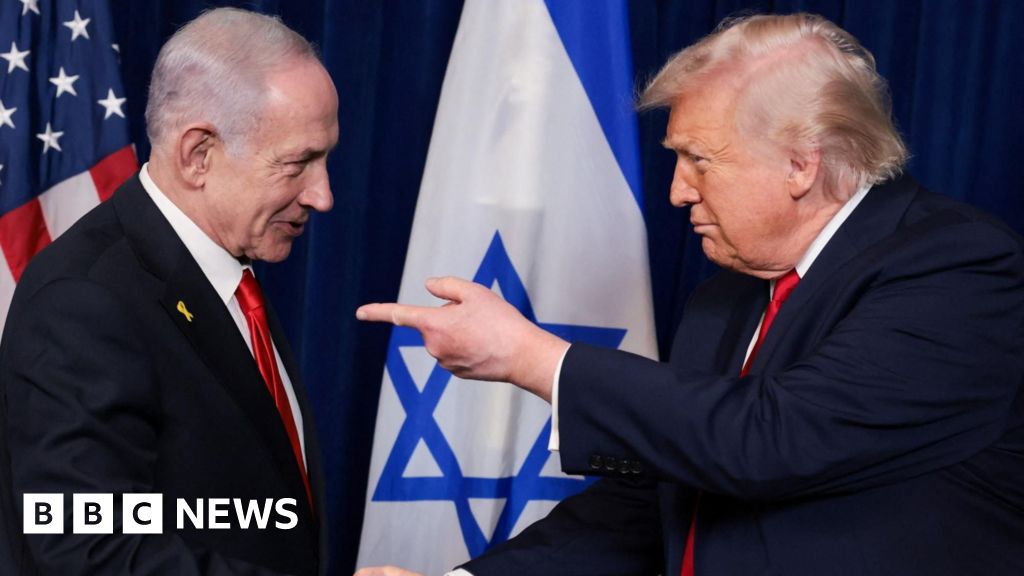
Summary
Israeli Prime Minister Benjamin Netanyahu announced on Wednesday that he has agreed to join U.S. President Donald Trump's "Board of Peace." This decision follows earlier criticisms from Netanyahu's office regarding the composition of the board's executive committee. The board was initially intended to serve as a limited forum for world leaders to oversee a ceasefire in Gaza, but its purpose has since expanded, with invitations extended to numerous countries, suggesting a potential role in brokering conflicts beyond the Middle East. As of now, approximately 25 nations have signed onto Trump's Board of Peace. This initiative has sparked divisions among Western European nations, with some expressing reluctance to participate. In contrast, eight Muslim countries, including Saudi Arabia, Turkey, Egypt, Jordan, Indonesia, Pakistan, Qatar, and the UAE, have announced their joint decision to join the board. The structure and purpose of the board have raised concerns among international observers, with fears that it may be designed to supplant the United Nations. The board is chaired by President Trump, who could potentially hold this position for life. Contributions to the initiative are voluntary, with a reported target of $1 billion. The Board of Peace has become a contentious topic in international relations, reflecting differing perspectives on its implications for global diplomacy and conflict resolution.
Advertisement
Cluster Activity
Lindy Score Breakdown (V4.2)
Story Timeline
- 2026-01-21Israel's Netanyahu agrees to join Trump's Board of Peace (current)
- 2026-01-22
AnalysisRisk 10
Same Story from 8 sources

Breaking Similar stories

Anti-Lindy Similar stories