Romania blasts rocks to reroute cooling Danube water to nuclear reactor
Reuters • 7/30/2026 – 8/3/2026
Summary
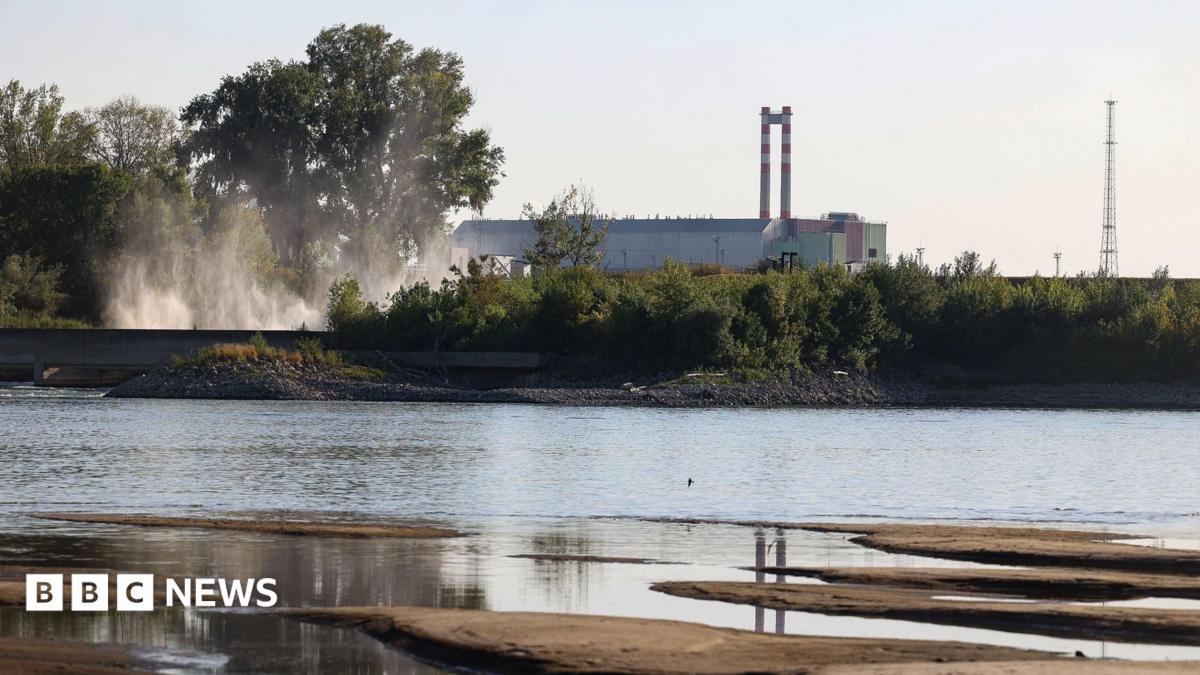
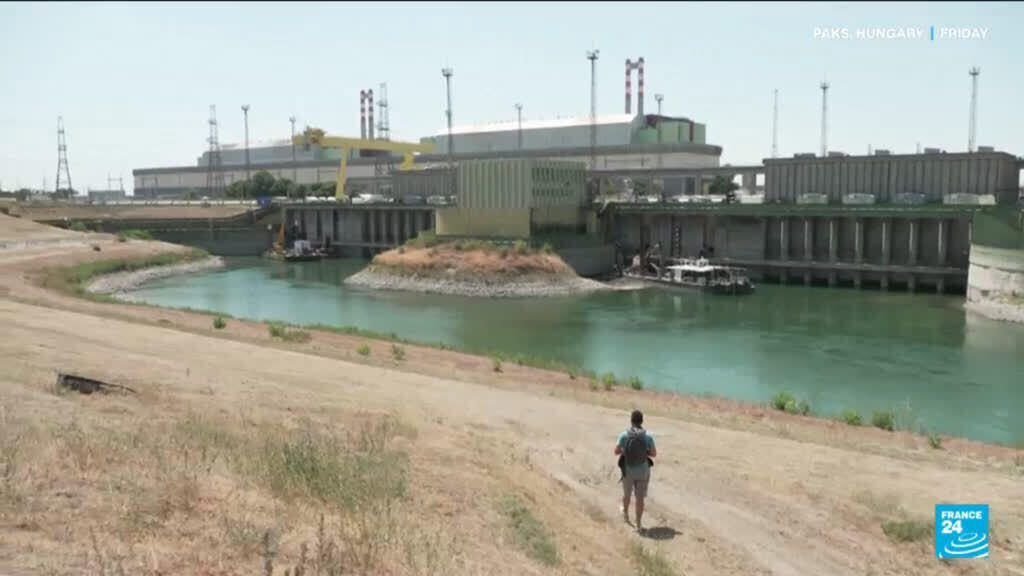
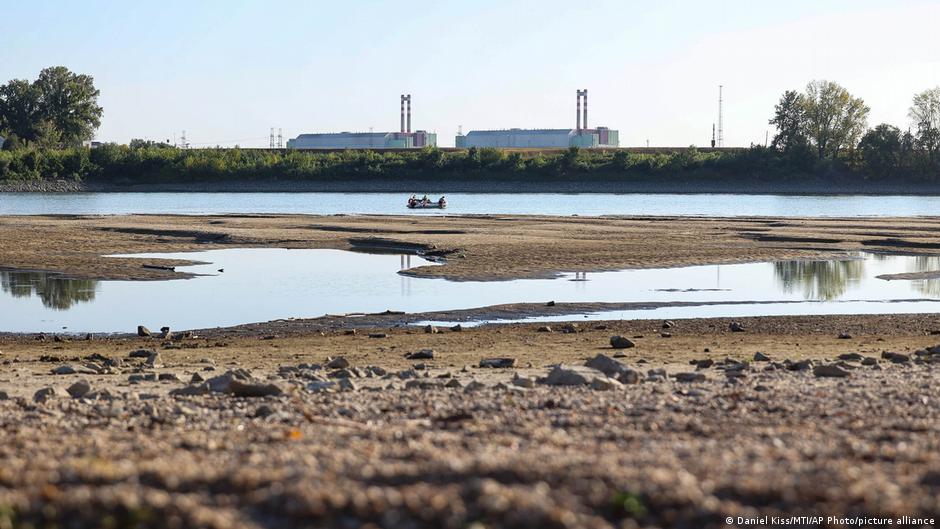
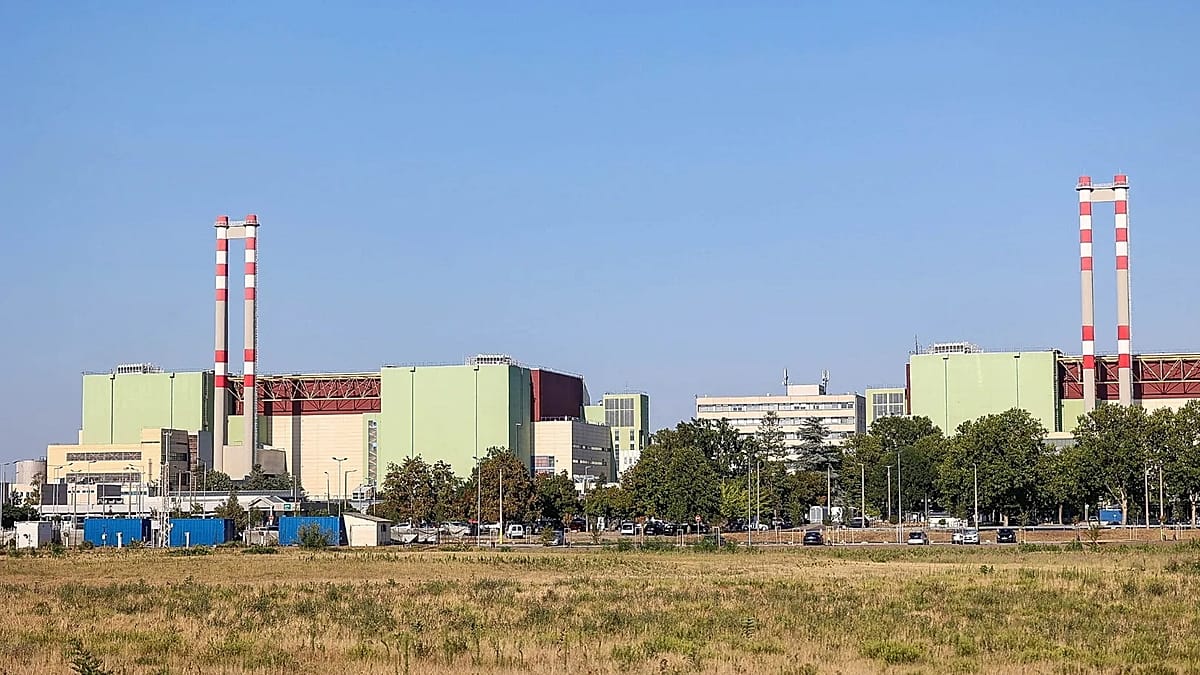
Romania has taken measures to address the impact of record-low water levels in the Danube River by blasting rocks to reroute cooling water to its nuclear reactor. This action comes amid a broader energy crisis affecting the region, particularly Hungary, where the Paks nuclear plant, which supplies nearly half of the country's electricity, is facing a potential shutdown. The Hungarian Prime Minister, Péter Magyar, has indicated that while the situation is critical, the power supply remains secure for the time being. The extreme heat and prolonged drought affecting central Europe have contributed to the unprecedented low water levels in the Danube. As a result, Hungary has announced the shutdown of its only nuclear power plant for the first time in history. This decision has been prompted by the inability of the Paks plant to operate without sufficient cooling water, leading to concerns about a potential power crunch in the country. The shutdown is expected to take effect imminently, with reports indicating it could happen as soon as Sunday. The situation highlights the interconnectedness of climate conditions and energy production in Europe. The heatwaves and subsequent drought have not only affected Hungary but have also prompted Romania to take proactive steps to ensure the continued operation of its nuclear facilities. The actions taken by Romania to reroute water demonstrate the urgent need for solutions in the face of environmental challenges impacting energy infrastructure across the region.
Advertisement
Cluster Activity
Lindy Score Breakdown (V4.2)
Story Timeline
- 2026-07-30
- 2026-07-31
- 2026-08-01
- 2026-08-02
- 2026-08-03Romania blasts rocks to reroute cooling Danube water to nuclear reactor (current)
Score BreakdownRisk 30
Stories gain Lindy status through source reputation, network consensus, and time survival.
Same Story from 11 sources





Breaking Similar stories

Anti-Lindy Similar stories