More than 200 killed in coltan mine collapse in eastern DRC, officials say
The Guardian • 1/30/2026 – 1/31/2026

Summary
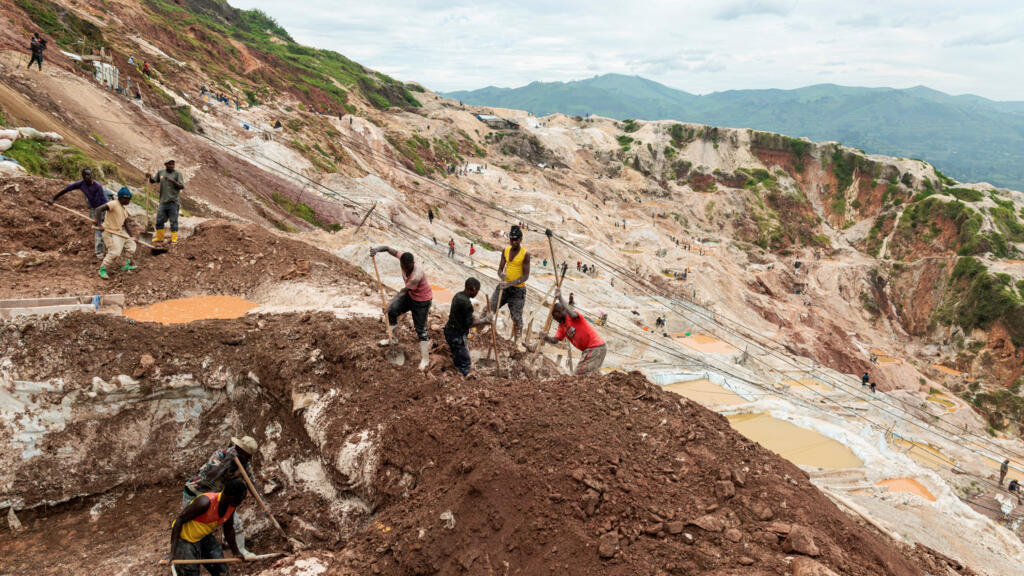
More than 200 people were killed this week in a collapse at the Rubaya coltan mine in eastern Democratic Republic of Congo (DRC), according to Lumumba Kambere Muyisa, a spokesperson for the rebel-appointed governor of North Kivu province. The incident occurred during a massive landslide at the mine, which is known for producing a significant portion of the world’s coltan supply. The Rubaya mine is responsible for producing approximately 15% to 30% of the global coltan supply, a mineral that is processed into tantalum, a heat-resistant metal in high demand for use in mobile phones, computers, aerospace components, and gas turbines. The Rubaya mine has been under the control of the M23 rebel group since May 2024. Local miners typically work manually at the site, earning only a few dollars a day. The collapse highlights the dangers associated with artisanal mining in the region, where safety measures are often inadequate. The tragedy has drawn attention to the ongoing issues surrounding mining practices and the impact of armed groups on local communities in the DRC. The local governor confirmed the death toll on Sunday, emphasizing the scale of the disaster. The incident has raised concerns regarding the safety and regulation of mining operations in the area, particularly given the involvement of armed groups like the M23. The situation underscores the precarious nature of mining in conflict-affected regions and the risks faced by artisanal miners.
Advertisement
Cluster Activity
Lindy Score Breakdown (V4.2)
Story Timeline
- 2026-01-30More than 200 killed in coltan mine collapse in eastern DRC, officials say (current)
- 2026-01-31
- 2026-02-01
AnalysisRisk 10
Same Story from 5 sources

Breaking Similar stories




Anti-Lindy Similar stories