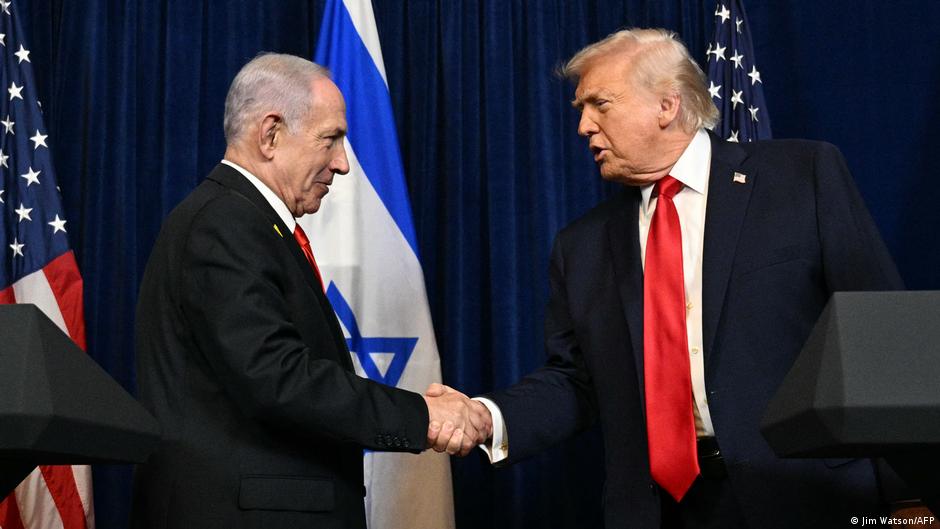
Where do the US and Israel differ on Iran strategy? - DW.com
Deutsche Welle • 2/15/2026 – 2/17/2026
Summary
Israeli Prime Minister Benjamin Netanyahu has expressed skepticism regarding Iran's commitment to any potential nuclear deal negotiated by the United States under President Donald Trump. This skepticism highlights a divergence in strategy between the U.S. and Israel concerning Iran's nuclear program. While both leaders agree on the need to impose sanctions on Iranian oil, their endgame strategies differ significantly. Analysts suggest that Israel's approach may be influenced by its desire to pursue military action against Iran, potentially as a means to distract from issues related to West Bank annexation. The U.S. and Israel's differing perspectives on Iran's nuclear ambitions have become increasingly pronounced amid ongoing discussions about Iran's nuclear program. Netanyahu's concerns reflect a broader apprehension within Israel regarding the reliability of any agreement that may be reached with Tehran. The Israeli government has historically taken a hardline stance on Iran, viewing its nuclear capabilities as a direct threat to national security. In summary, while both the U.S. and Israel are aligned in their efforts to pressure Iran through sanctions, their strategies diverge when it comes to the ultimate objectives and the methods employed to achieve them. This situation underscores the complexities of international relations in the context of Middle Eastern geopolitics, particularly concerning Iran's nuclear ambitions and regional stability.
Advertisement
Cluster Activity
Lindy Score Breakdown (V4.2)
Story Timeline
- 2026-02-15
- 2026-02-16Where do the US and Israel differ on Iran strategy? - DW.com (current)
- 2026-03-09
- 2026-03-10
- 2026-03-11
- 2026-03-12
- 2026-03-13
- 2026-03-16
Score BreakdownRisk 25
Stories gain Lindy status through source reputation, network consensus, and time survival.
Same Story from 11 sources


Breaking Similar stories




Anti-Lindy Similar stories