Trump’s FCC eyes new ways to squeeze the TV networks
Politico • 3/14/2026 – 4/25/2026

Summary
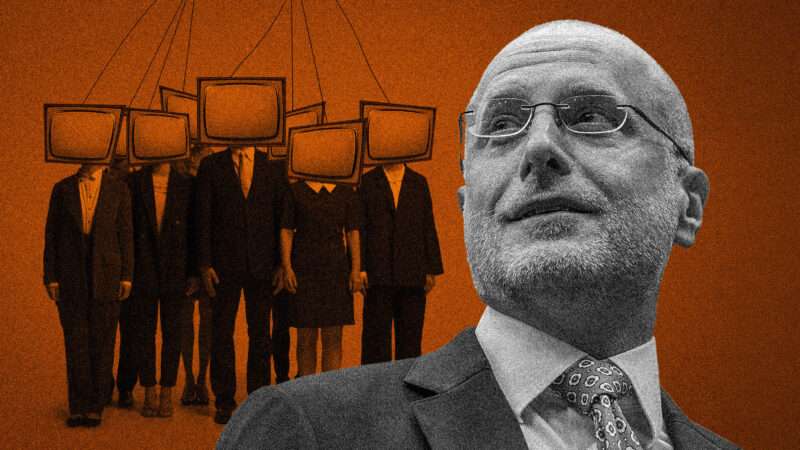
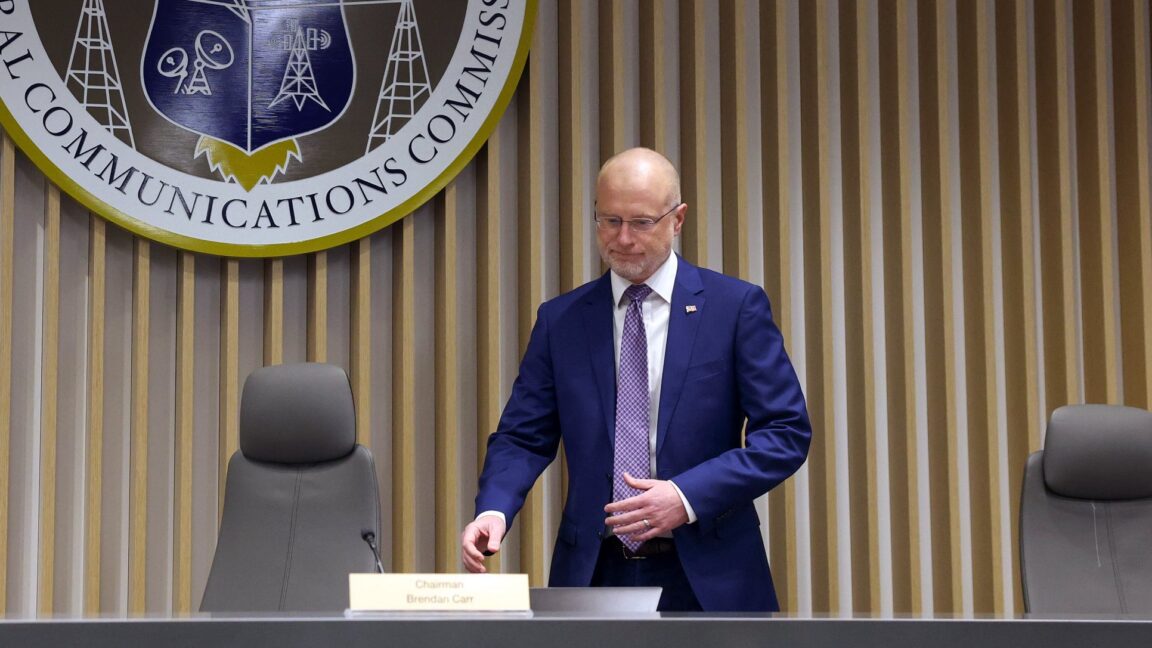
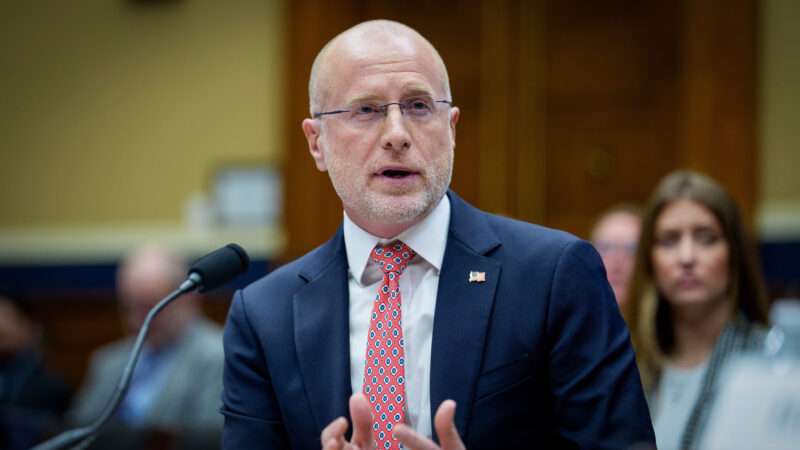
FCC Chairman Brendan Carr has threatened to revoke broadcast licenses of television networks that he claims are airing "fake news" regarding the ongoing military operations in Iran. His comments were made in a post on X, formerly known as Twitter, and appear to be a direct response to criticism from former President Donald Trump. Trump accused major media outlets, including The New York Times and The Wall Street Journal, of providing misleading coverage that he believes undermines the U.S. war effort. Carr emphasized that broadcasters must operate "in the public interest" and have an opportunity to correct their reporting before their licenses come up for renewal. Carr's warning suggests that broadcasters who continue to disseminate what he describes as "hoaxes and news distortions" risk losing their licenses. He stated that these broadcasters have a chance to "correct course" before their license renewals. His remarks have been interpreted as an effort to demand more favorable coverage of the war, aligning with Trump's media narrative. Critics, including Senator Elizabeth Warren, have condemned Carr's comments, labeling them as “straight out of the authoritarian playbook,” and raising concerns about press freedom and the role of the FCC in regulating media content. The implications of Carr's statements highlight a significant tension between government oversight of media and the principles of free speech and journalistic integrity. Some free speech advocates have denounced his remarks as an infringement on journalistic integrity, while others have characterized Carr as a "media pit bull" for his provocative stance. The situation underscores the ongoing conflict between political figures and media outlets, particularly regarding sensitive topics such as military conflicts. Overall, Carr's threats to broadcasters reflect a broader trend of political pressure on media coverage, particularly in the context of the Iran war. His comments have drawn mixed reactions, with some commentators arguing that his approach raises serious concerns about the balance between government oversight and the independence of the press. The situation continues to evolve as the FCC navigates its role in regulating media content amid these contentious political dynamics.
Advertisement
Cluster Activity
Lindy Score Breakdown (V4.2)
Story Timeline
- 2026-03-14
- 2026-03-15
- 2026-03-16
- 2026-03-18
- 2026-03-23
- 2026-03-25
- 2026-04-25Trump’s FCC eyes new ways to squeeze the TV networks (current)
Score BreakdownRisk 40
Stories gain Lindy status through source reputation, network consensus, and time survival.
Same Story from 11 sources



Breaking Similar stories
Anti-Lindy Similar stories