NASA's Artemis II plans to send a crew around the moon to test equipment and lay the groundwork for a future landing
Phys.org • 1/17/2026 – 2/4/2026
Summary
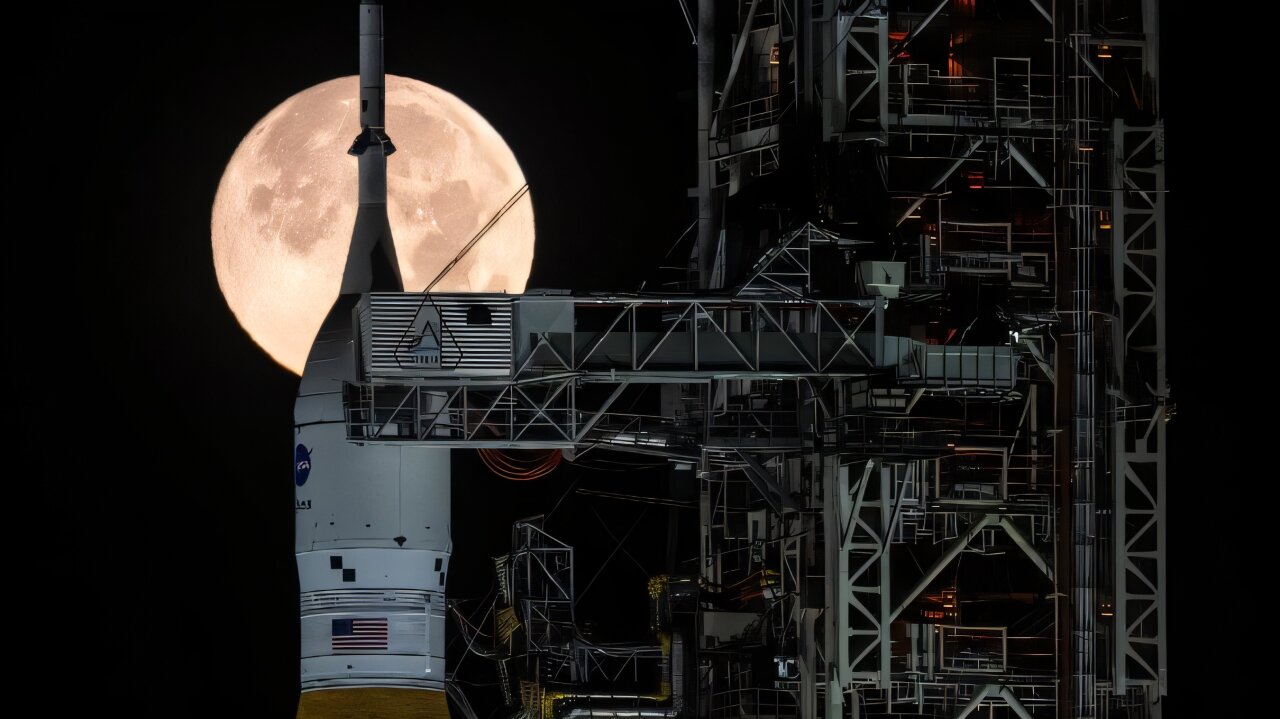
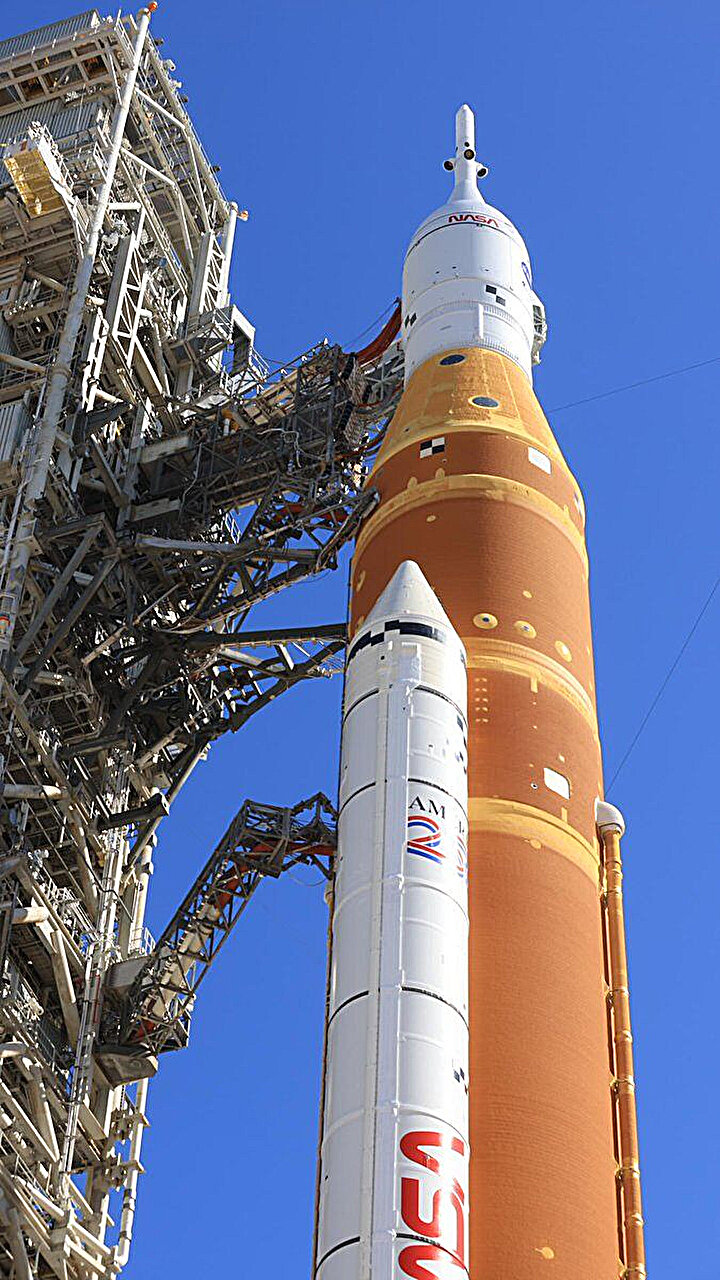
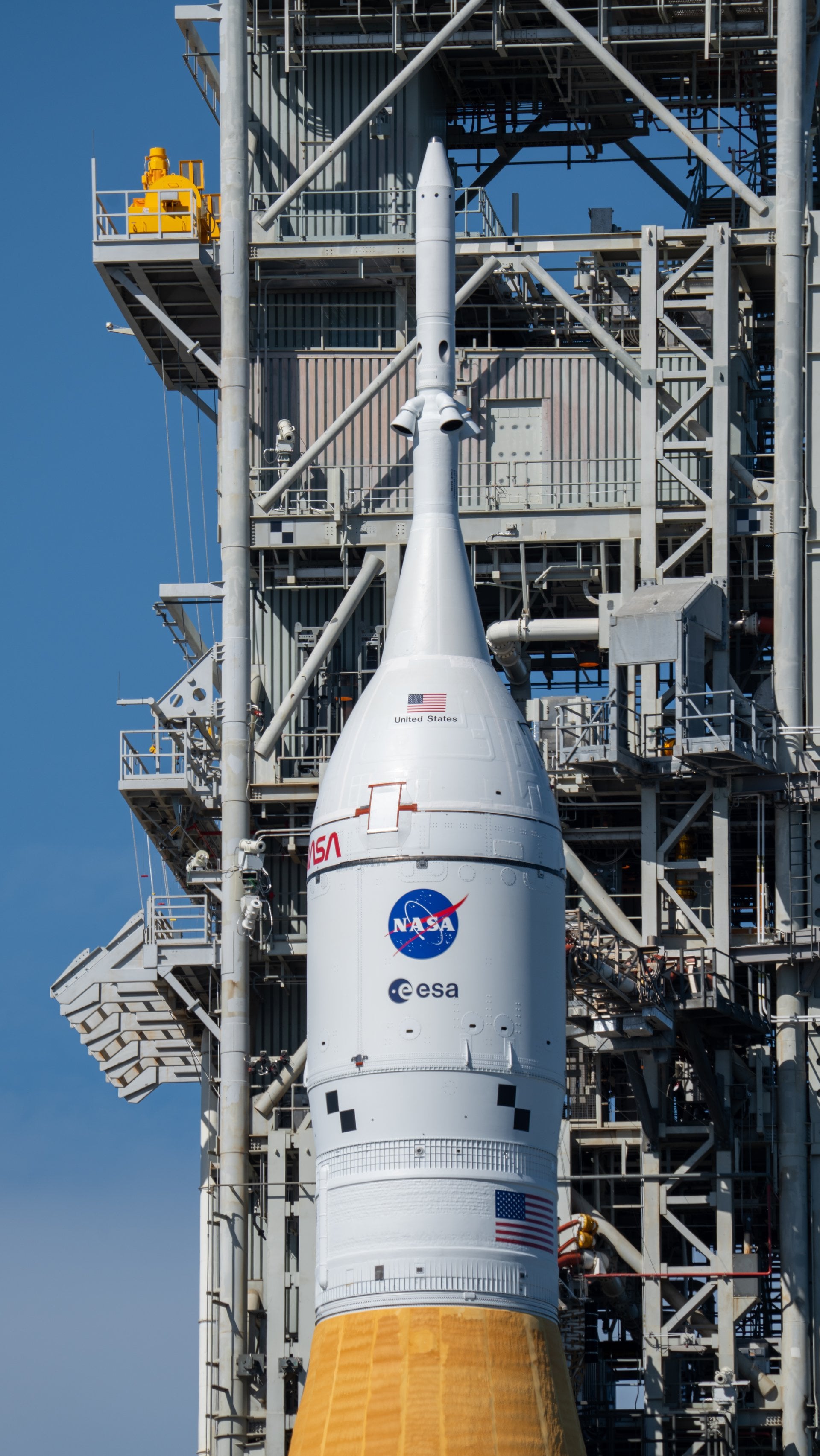
NASA is preparing for its Artemis II mission, which aims to send a crew around the moon to test vital equipment and establish a foundation for future lunar landings. On January 17, 2026, the Space Launch System rocket and its crew capsule were transported to the launchpad at Kennedy Space Center in Florida, moving at a speed of just under one mile per hour. The Artemis II mission represents a significant step in NASA's broader goal of returning humans to the moon and eventually facilitating crewed missions to Mars. This initiative reflects a renewed interest in lunar exploration, reminiscent of the Apollo program, which captured global attention in the 1960s and 70s. The mission not only aims to advance technological capabilities but also to inspire future generations about space exploration. As nations increasingly focus on space as a domain for scientific discovery and potential resource utilization, Artemis II serves as a pivotal moment in establishing international partnerships and fostering a collaborative approach to space endeavors. The mission's success could have lasting implications for humanity's presence beyond Earth, reinforcing the importance of sustained investment in space exploration and innovation.
Advertisement
Cluster Activity
Lindy Score Breakdown (V4.2)
Story Timeline
- 2026-01-17
- 2026-02-02
- 2026-02-03
- 2026-02-04NASA's Artemis II plans to send a crew around the moon to test equipment and lay the groundwork for a future landing (current)
- 2026-02-05
Score BreakdownRisk 25
Stories gain Lindy status through source reputation, network consensus, and time survival.
Same Story from 6 sources


Breaking Similar stories


Anti-Lindy Similar stories