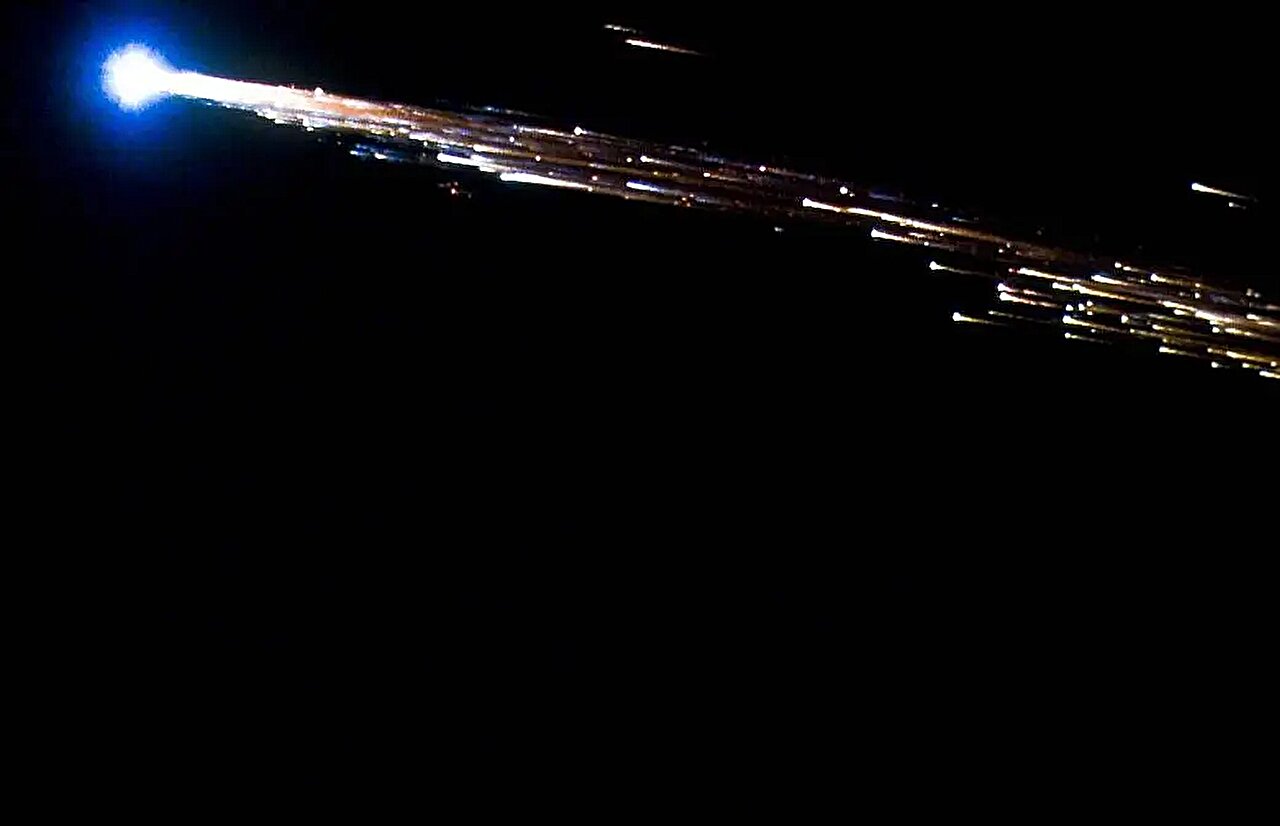
The dirty afterlife of a dead satellite
Phys.org • 2/6/2026 – 2/7/2026
Summary
According to a new release from the Salata Institute at Harvard, humanity is facing a significant engineering challenge with satellite megaconstellations, similar to the unforeseen consequences of past industrial activities that contributed to climate change. The report highlights that, much like the early industrial revolution, where the long-term effects of emissions were not understood, the implications of deploying large numbers of satellites are not fully grasped. This oversight raises concerns about the potential risks associated with these megaconstellations. The Salata Institute emphasizes that the rapid development and deployment of satellite technology may lead to unforeseen environmental and societal impacts. The historical context of climate change serves as a cautionary tale, illustrating how human actions can have far-reaching consequences that extend well beyond initial intentions. The report suggests that the current trajectory of satellite deployment could similarly affect global systems, potentially endangering lives and livelihoods. The discussion surrounding satellite megaconstellations is crucial as it reflects a broader pattern of human engineering endeavors that may lack comprehensive understanding of their long-term effects. The Salata Institute's findings urge a reevaluation of how such technologies are developed and implemented, advocating for a more cautious approach that considers potential future implications. This perspective is essential in ensuring that advancements in technology do not repeat the mistakes of the past.
Advertisement
Lindy Score Breakdown (V4.2)
Story Timeline
- 2026-02-06The dirty afterlife of a dead satellite (current)
Score BreakdownRisk 35
Stories gain Lindy status through source reputation, network consensus, and time survival.
Same Story from 2 sources

Breaking Similar stories



Anti-Lindy Similar stories