Trump administration signs commercial nuclear deal with Saudi Arabia
NPR • 7/22/2026 – 7/23/2026
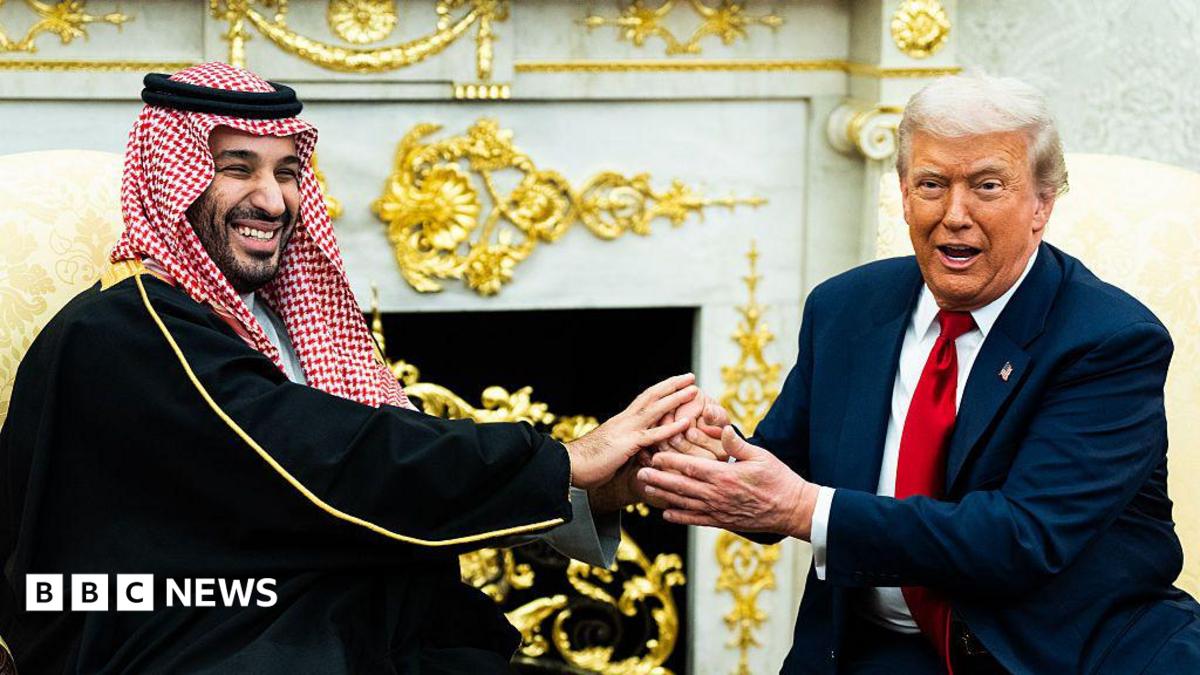
Summary
The Trump administration has signed a commercial nuclear deal with Saudi Arabia, marking a significant step in U.S.-Saudi relations. This agreement, described as a civilian nuclear program, is part of a broader strategy to promote nuclear nonproliferation. The U.S. Energy Department stated that the agreements lay the legal foundation for a multi-billion-dollar partnership that aligns with several economic and strategic objectives, including the prevention of nuclear weapons development (NPR, The Hindu). The deal is categorized as a 123 Agreement, which is designed to facilitate civilian nuclear cooperation while ensuring that the involved parties adhere to nonproliferation standards. This framework is intended to prevent the proliferation of nuclear weapons and promote the peaceful use of nuclear energy (The New York Times). Under this agreement, Saudi Arabia will be allowed to build nuclear reactors, which is a significant development in the country's energy strategy (Al Jazeera). Additionally, the agreement includes provisions for the export of nuclear materials to Saudi Arabia, further solidifying the partnership between the two nations in the nuclear sector (Politico). The announcement of this landmark agreement has been met with various reactions, reflecting the complexities of nuclear energy and nonproliferation discussions in the international arena (NBC News).
Advertisement
Cluster Activity
Lindy Score Breakdown (V4.2)
Story Timeline
- 2026-07-22Trump administration signs commercial nuclear deal with Saudi Arabia (current)
- 2026-07-23
Score BreakdownRisk 30
Stories gain Lindy status through source reputation, network consensus, and time survival.
Same Story from 11 sources




Breaking Similar stories

Anti-Lindy Similar stories