China sets lowest economic growth target since 1991
BBC • 3/5/2026
Summary
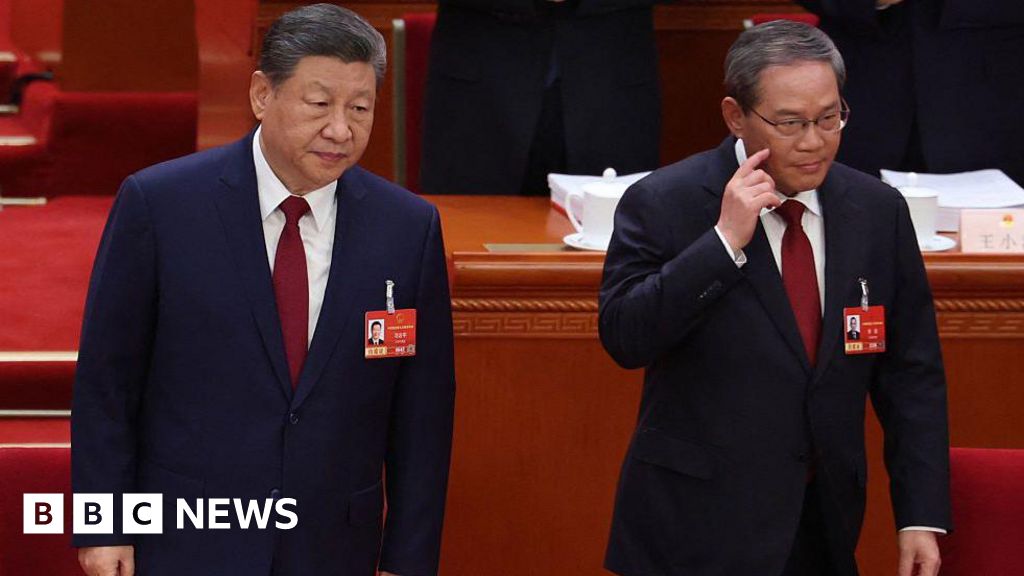
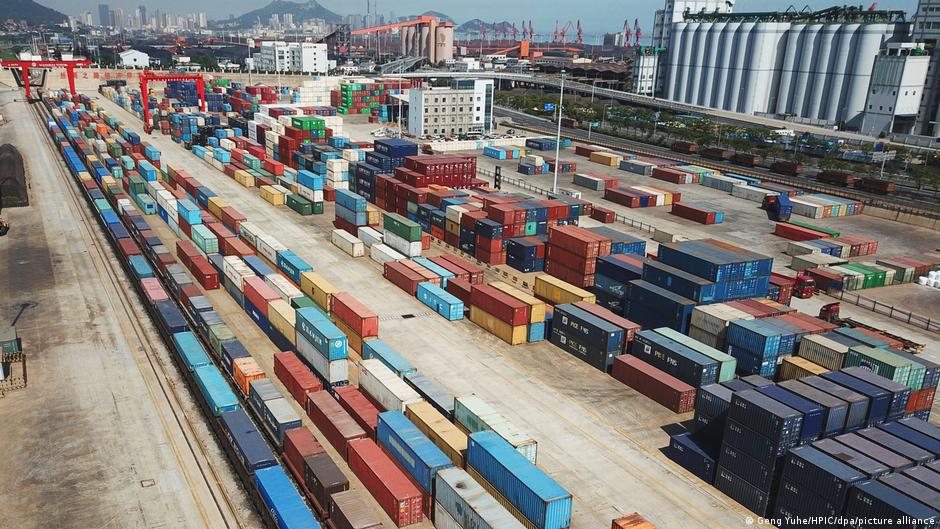
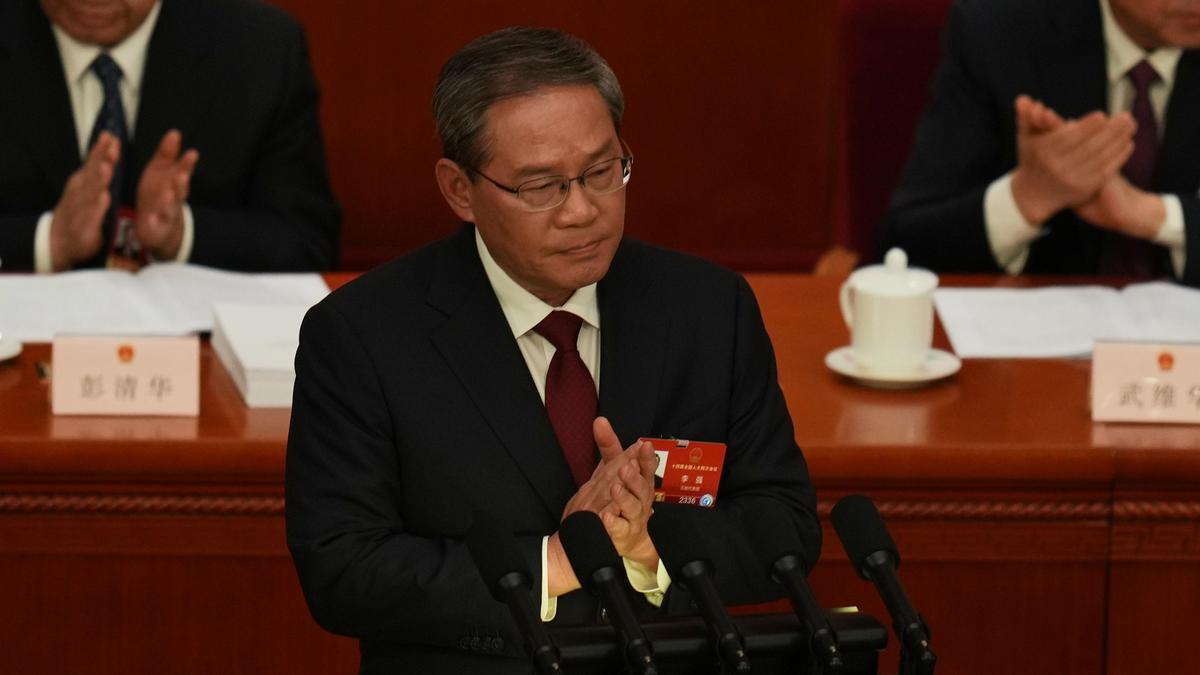
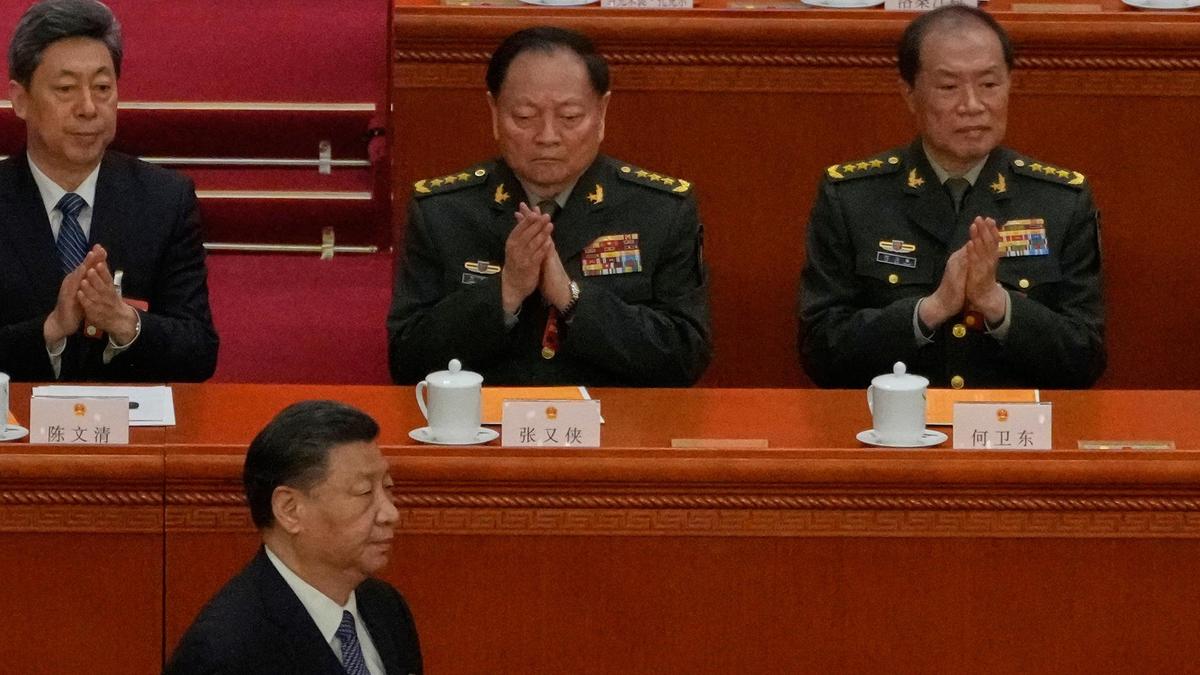
China has set its lowest economic growth target since 1991, aiming for a range of 4.5% to 5% for 2026. This marks the first time the target has been lowered since it was previously set at "around 5%" in 2023. The decision reflects a significant shift in China's economic strategy, indicating Beijing's acceptance of a slower growth pace while it seeks to transition towards more sustainable growth drivers. This shift is particularly notable as it comes in the context of a faltering old economic model that heavily relied on debt-fueled property and infrastructure investment (Japan Times). The announcement was made during the National People's Congress, where it was highlighted that domestic consumption remains sluggish, contributing to the need for a lower growth target. In the previous year, China's economy grew by 5%, reaching a total of $20.01 trillion, buoyed by strong exports despite challenges such as U.S. tariffs. However, the ongoing issues with domestic consumption have been a persistent concern for the Chinese economy (Deutsche Welle, The Hindu). In addition to the economic growth target, Beijing has also decided to maintain a steady increase in its military budget for the year, indicating that while economic growth may be slowing, other areas of government spending remain a priority (Deutsche Welle). This multifaceted approach to economic management reflects the complexities facing China as it navigates both global and domestic uncertainties.
Advertisement
Lindy Score Breakdown (V4.2)
Story Timeline
- 2026-03-05China sets lowest economic growth target since 1991 (current)
Score BreakdownRisk 30
Stories gain Lindy status through source reputation, network consensus, and time survival.
Same Story from 4 sources
Breaking Similar stories



Anti-Lindy Similar stories