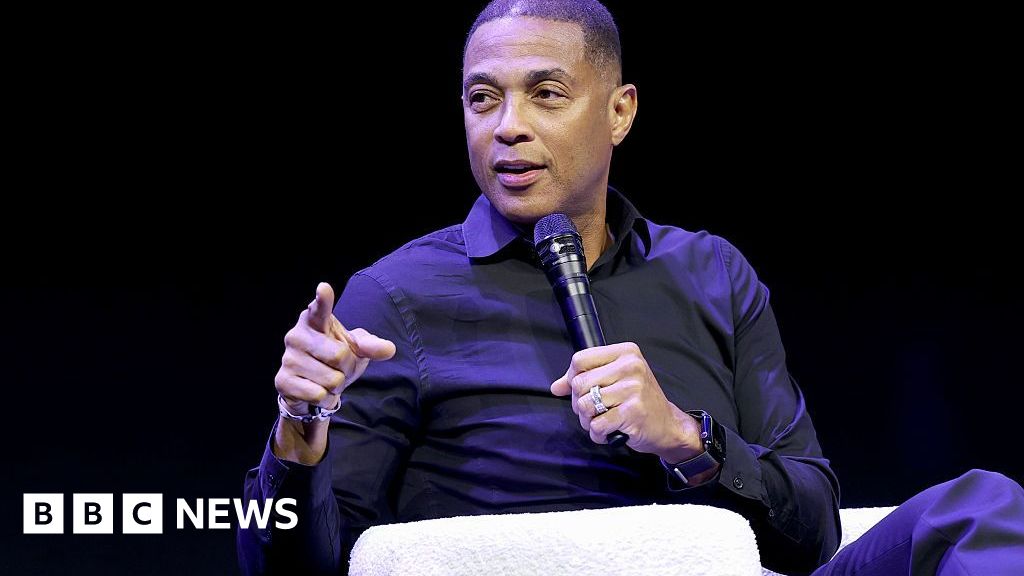
Don Lemon's Arrest Looks Like an Assault on Freedom of the Press
Reason Magazine • 1/20/2026 – 2/4/2026

Summary
Former CNN anchor Don Lemon was arrested by federal agents in Los Angeles while covering the Grammy Awards, in connection with a protest that disrupted a church service in St. Paul, Minnesota. The protest, which occurred earlier in January, was aimed at the pastor's alleged connections to U.S. Immigration and Customs Enforcement (ICE). Lemon's attorney, Abbe Lowell, confirmed the arrest, which has raised significant discussions regarding the intersection of journalism and activism, particularly in politically charged environments (NPR, USA Today). The Department of Justice (DOJ) has been investigating the incident and pursuing charges against the demonstrators involved, including Lemon. The DOJ's civil rights chief criticized Lemon for his involvement in covering the anti-ICE protest, indicating that charges against the protesters would be forthcoming (NBC News, USA Today). Lemon contended that his actions were part of his role as a journalist rather than participation in the protest itself, raising questions about the boundaries of journalistic conduct in sensitive settings (The New York Times, NPR). An appeals court recently rejected the DOJ's request to issue arrest warrants for Lemon and four others connected to the protest. This ruling reflects a broader trend of Minnesota judges rejecting arrest warrants related to protests against ICE, indicating a judicial reluctance to pursue charges in these politically charged situations (The New York Times). Following the appeals court ruling, a judge dismissed the criminal complaint filed by the DOJ against Lemon, allowing him to avoid potential legal repercussions (The New York Times, NPR). The case highlights ongoing tensions between media figures and law enforcement, particularly regarding civil rights and the legal ramifications of protests. The dismissal of the complaint underscores the complexities involved in legal actions against public figures, especially those perceived as politically sensitive. As protests continue to be a focal point in American society, the implications of this ruling may resonate in future legal battles involving media figures and their participation in public demonstrations (The New York Times, NBC News).
Advertisement
Cluster Activity
Story Timeline
- 2026-01-20
- 2026-01-22
- 2026-01-24
- 2026-01-25
- 2026-01-30
- 2026-01-31
- 2026-02-04Don Lemon's Arrest Looks Like an Assault on Freedom of the Press (current)
Same Story from 11 sources




Breaking Similar stories






Survived Similar stories

Anti-Lindy Similar stories