Cosmic Magnification Is One of the Universe’s Weirdest Optical Illusions
Scientific American • 10/31/2025 – 12/12/2025

Summary
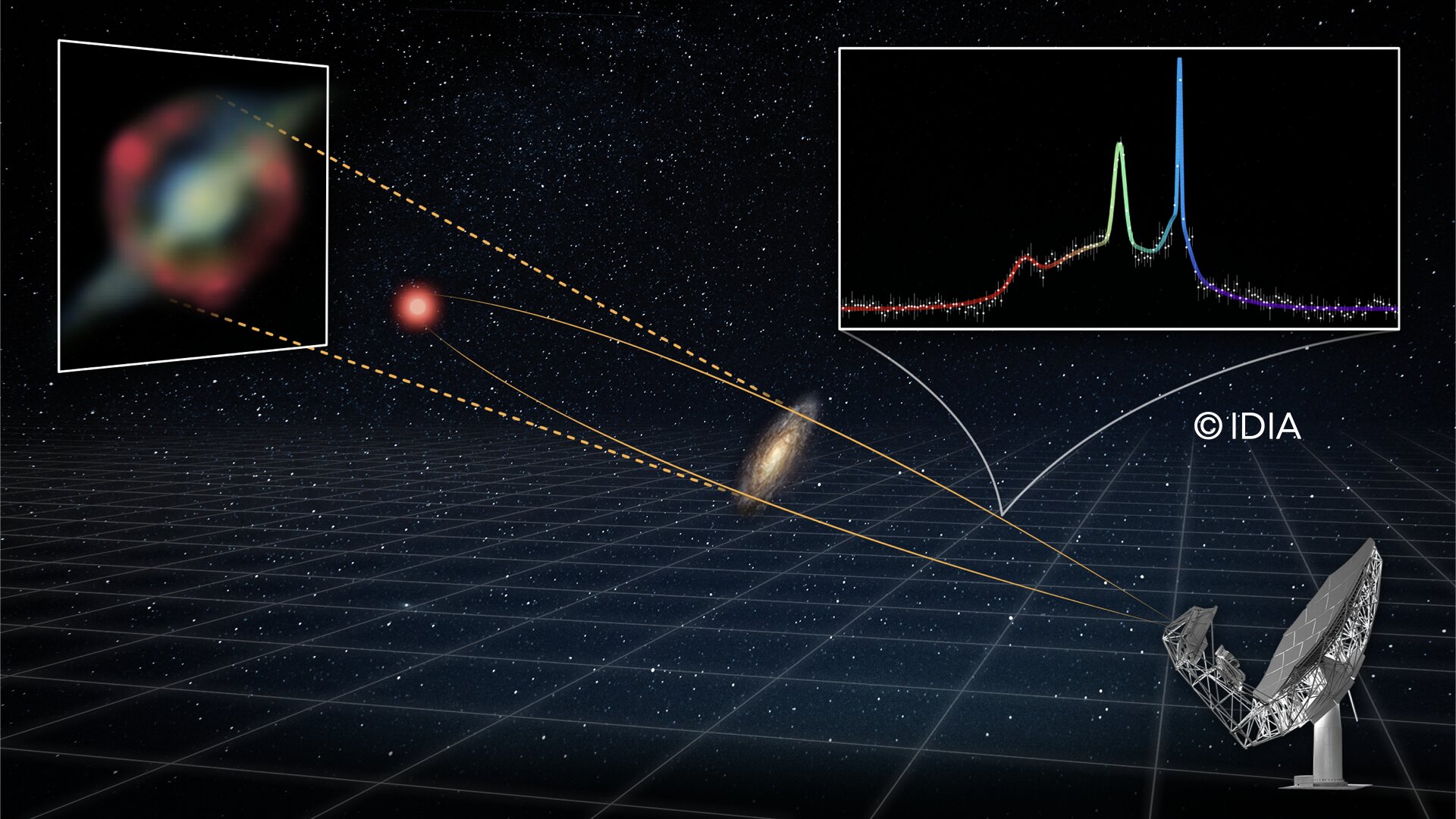
Recent studies utilizing gravitational lensing have provided significant insights into the expansion of the universe, particularly in relation to the ongoing Hubble tension. Gravitational lensing is an optical phenomenon where massive objects, such as galaxies, bend the light from objects behind them, allowing astronomers to observe distant celestial bodies more clearly. This technique has confirmed discrepancies in the measurements of the universe's expansion rate, which challenge existing cosmological models. The Hubble tension refers to the disagreement between different methods of measuring the universe's expansion rate, with one method yielding a higher value than the other. The findings from gravitational lensing suggest that there may be fundamental issues in our understanding of cosmology as it currently stands. While this method has offered new confirmations regarding the discrepancies in the universe's expansion, experts caution that it alone will not resolve the Hubble tension. The complexity of the universe's expansion and the potential need for new physics or modifications to existing theories remain areas of active research. As researchers continue to explore these anomalies, the quest to reconcile the differences in expansion rate measurements remains a critical focus in the field of cosmology. The implications of these findings could lead to significant advancements in our understanding of the universe and its fundamental properties. Current cosmological models may need reevaluation in light of the evidence provided by gravitational lensing.
Advertisement
Cluster Activity
Lindy Score Breakdown (V4.2)
Story Timeline
- 2025-10-31
- 2025-12-05Cosmic Magnification Is One of the Universe’s Weirdest Optical Illusions (current)
- 2025-12-10
Score BreakdownRisk 35
Stories gain Lindy status through source reputation, network consensus, and time survival.
Same Story from 3 sources


Breaking Similar stories






Anti-Lindy Similar stories