Netanyahu accuses NYC’s Mamdani of ‘fomenting hate’, calls ICC war-crimes charges ‘bogus’
South China Morning Post • 7/26/2026 – 7/27/2026

Summary
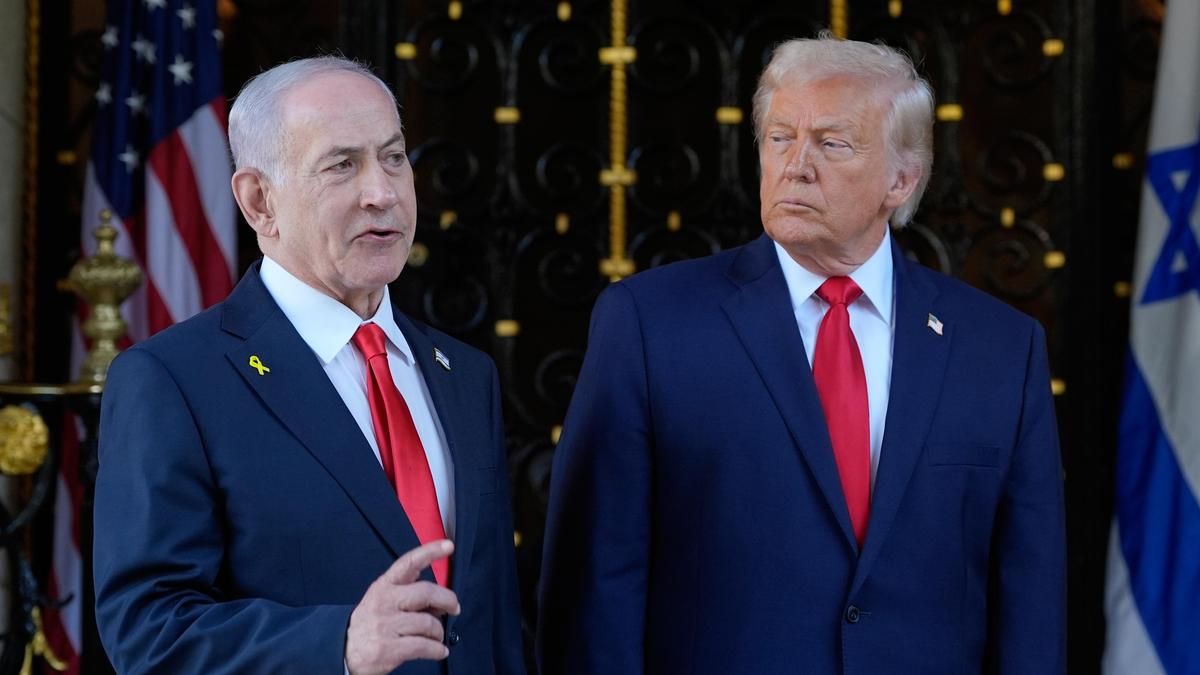
Israeli Prime Minister Benjamin Netanyahu has accused New York City Mayor Zohran Mamdani of "fomenting hate" after Mamdani referred to him as a war criminal and suggested he should be arrested if he visits New York for the United Nations General Assembly in September. Netanyahu intends to attend the UN gathering despite Mamdani's comments, which he claims undermine his legitimacy. Mamdani has expressed uncertainty regarding his authority to arrest Netanyahu, acknowledging that New York City lacks the legal capability to execute the arrest warrant issued by the International Criminal Court (ICC) against him (The Hindu, Euronews, BBC). Mamdani has stated that he is consulting with the city's legal team about the situation but confirmed that the responsibility for enforcing the ICC's arrest warrant lies with federal authorities. He has called on the U.S. federal government to take action against Netanyahu if he visits the United States. Mamdani's comments indicate he is exploring the legal possibilities surrounding the arrest warrant while recognizing the limitations of local jurisdiction in matters of international law (Euronews, The New York Times). In response to Mamdani's statements, Netanyahu's office has dismissed the ICC as a "kangaroo court" and labeled the arrest warrant as "bogus." This response highlights the contentious nature of the allegations against Netanyahu and the broader implications of international law in this context. The discussion surrounding the potential arrest has garnered significant attention, reflecting ongoing tensions related to Israel's actions in Gaza and the international community's response (BBC, The Hindu). The situation illustrates the complexities of international law and its enforcement, particularly in politically charged scenarios. Mamdani's statements reflect a desire for accountability while acknowledging the limitations of local jurisdiction, emphasizing the need for federal intervention in such matters (France24, The New York Times). The potential implications of Netanyahu's visit and the surrounding discourse continue to resonate within the context of international relations and legal accountability.
Advertisement
Lindy Score Breakdown (V4.2)
Score BreakdownRisk 50
Stories gain Lindy status through source reputation, network consensus, and time survival.
Breaking Similar stories






Anti-Lindy Similar stories