Trump threatens Canada with 100% tariffs over its new trade deal with China
NPR • 1/24/2026 – 1/25/2026
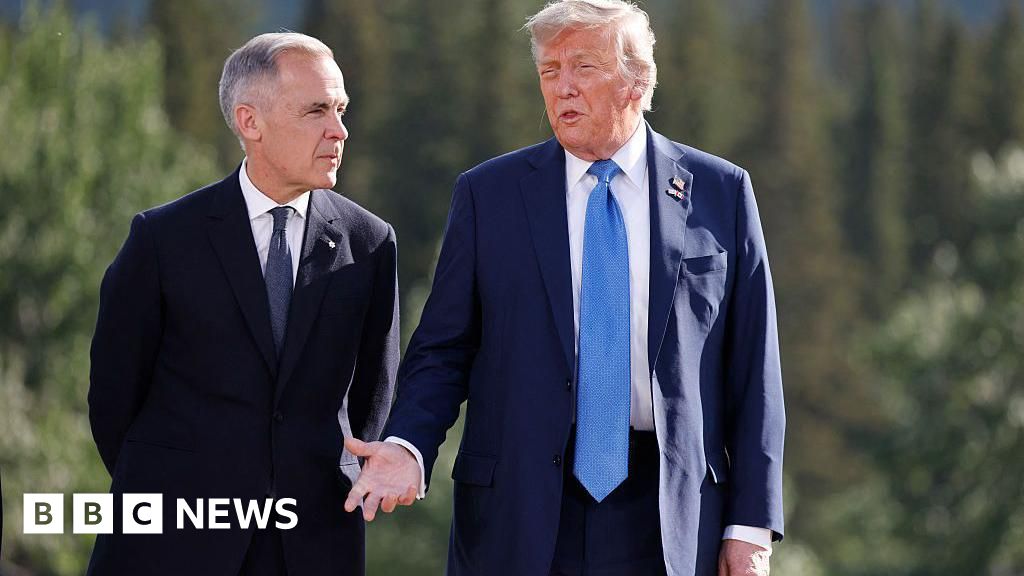
Summary
US President Donald Trump has threatened to impose a 100% tariff on all Canadian imports if Canada pursues a trade agreement with China. This warning was issued on Saturday and represents a significant escalation in the ongoing tensions between the United States and Canada, particularly regarding trade relations. Trump's remarks come in response to Canada's recent trade deal with China, which includes agreements on agricultural products and electric vehicles (Al Jazeera). The threat of tariffs was communicated through Trump's social media channels, where he expressed his discontent with Canada's actions concerning the trade deal with China. This situation has further strained the already complicated relationship between the two neighboring countries (Euronews, France24). Trump's comments indicate a willingness to take drastic measures in response to perceived threats to US economic interests, especially in the context of competitive dynamics with China. In addition to the tariff threat, Trump made headlines by stating that US refineries would process oil from Venezuelan tankers that had been seized recently, asserting, "we take the oil" (The Guardian). This statement reflects Trump's broader foreign policy approach, which often intertwines economic and geopolitical considerations. The implications of the tariff threat on Canadian exports could have significant repercussions for trade between the two nations, as well as for the broader North American economic landscape (Reuters). Overall, Trump's warning about the potential tariffs highlights the increasing friction in US-Canada relations and underscores the complexities of international trade agreements in the current geopolitical climate. The situation remains fluid, with potential consequences for both countries' economies as they navigate these challenges.
Advertisement
Cluster Activity
Lindy Score Breakdown (V4.2)
Story Timeline
- 2026-01-24Trump threatens Canada with 100% tariffs over its new trade deal with China (current)
- 2026-01-25
AnalysisRisk 10
Same Story from 11 sources


Breaking Similar stories

Anti-Lindy Similar stories