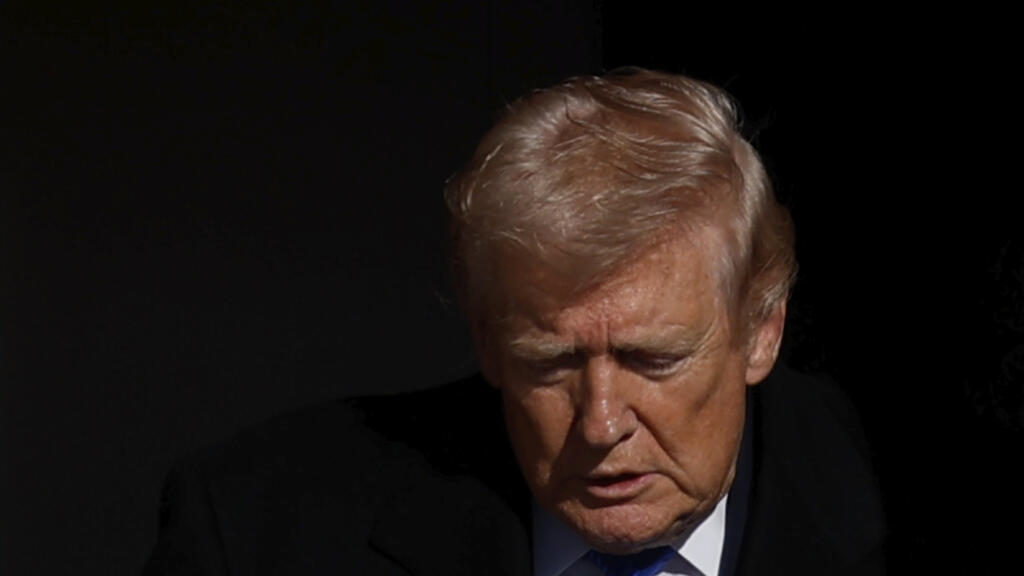
An Emboldened Trump’s Whipsaw Approach to the World
The New York Times • 1/22/2026 – 1/26/2026
Summary
Former President Donald Trump has adopted a confrontational and unpredictable foreign policy stance, raising concerns among European allies about the reliability of the United States as a partner. This shift in approach has been particularly evident in recent discussions and actions, prompting questions about the future of transatlantic relations. The situation has developed over the past week, as Trump continues to assert that his methods are strategically sound. This story resonates beyond its immediate context due to the historical patterns of U.S. foreign policy and its impact on global alliances. The unpredictability of leadership can lead to significant shifts in international relations, reminiscent of past administrations that have altered the course of diplomacy. The ongoing uncertainty surrounding U.S. commitments may echo the Cold War era, where trust and reliability were pivotal in maintaining alliances. As global dynamics evolve, the implications of Trump's approach could redefine how nations interact and collaborate, highlighting the importance of consistent foreign policy in fostering stability and cooperation among allies. This situation underscores the enduring relevance of leadership style in shaping international relations and the potential long-term consequences of a fractured diplomatic landscape.
Advertisement
Lindy Score Breakdown (V4.2)
Score BreakdownRisk 35
Stories gain Lindy status through source reputation, network consensus, and time survival.
Breaking Similar stories





Anti-Lindy Similar stories