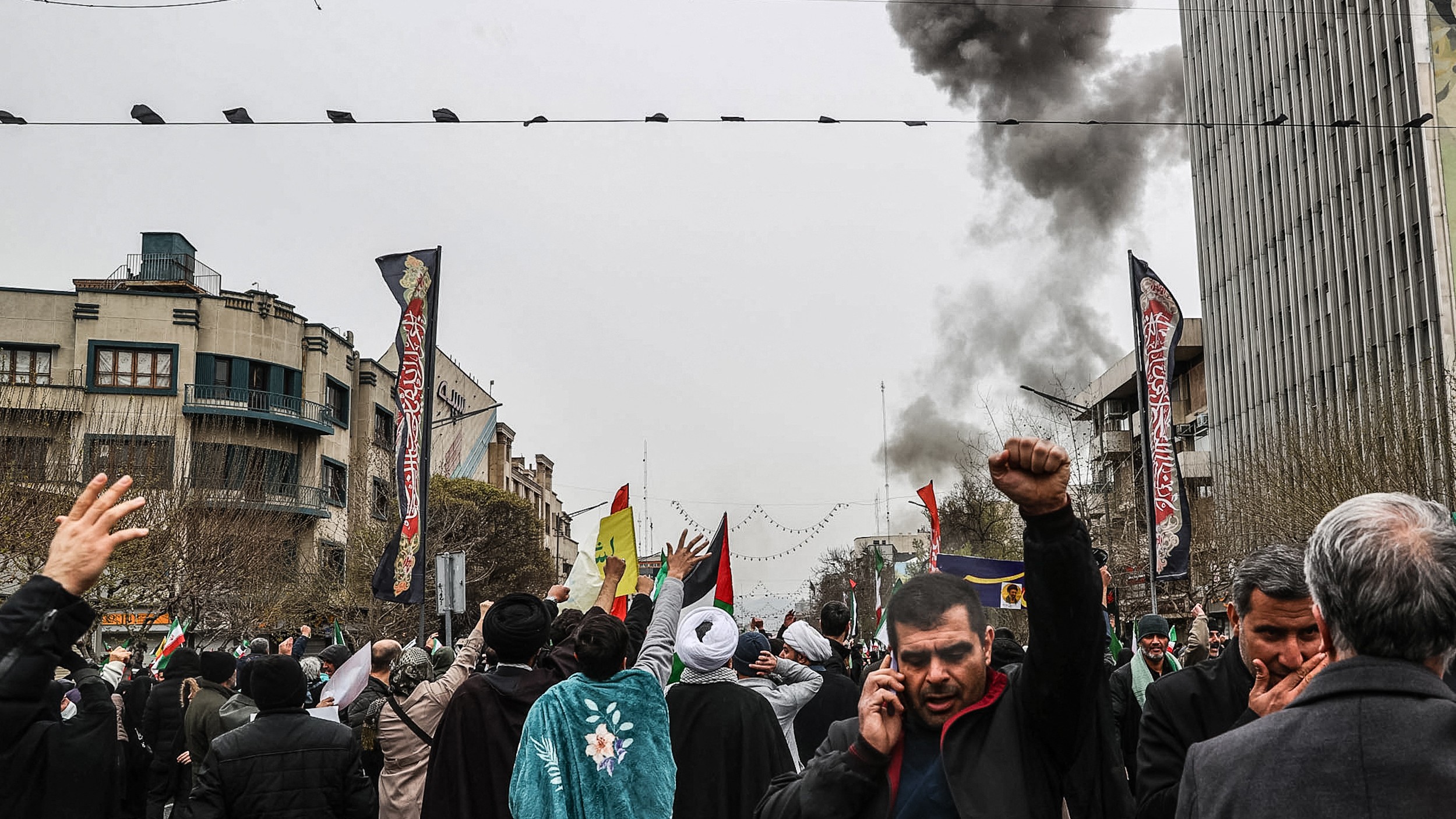
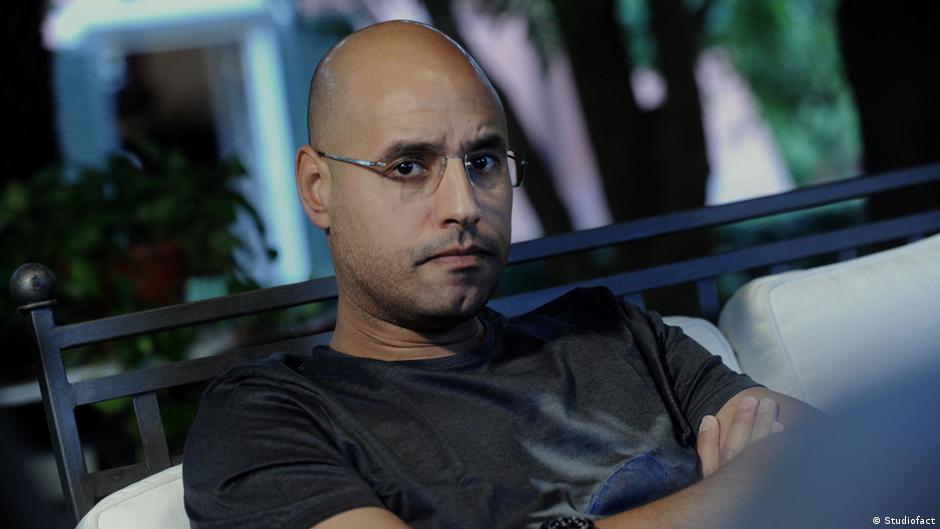
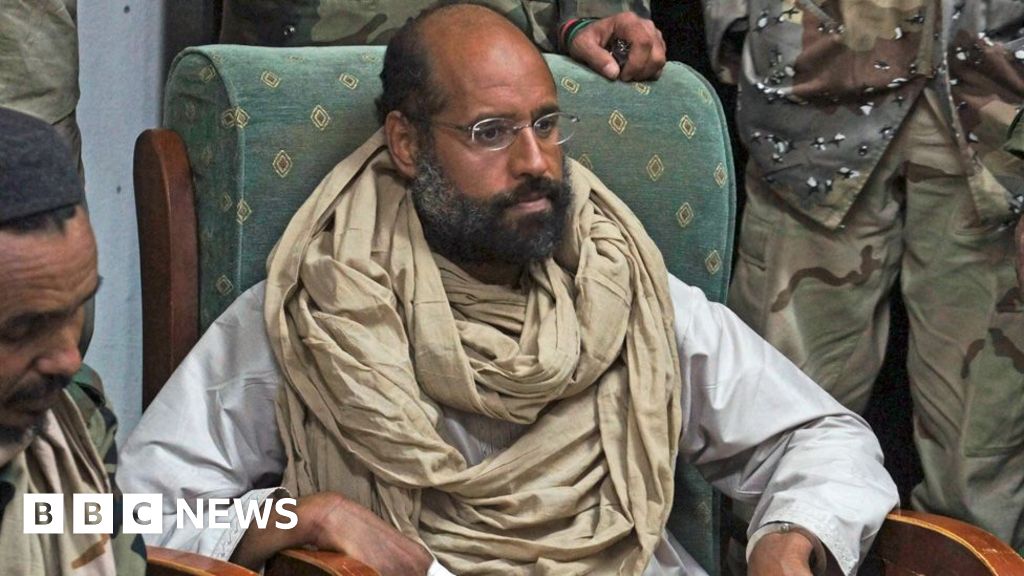
Muammar Gaddafi’s son, Saif al-Islam, killed in Libya
Middle East Eye • 2/3/2026 – 2/4/2026

Summary
Saif al-Islam Gaddafi, the son of former Libyan leader Muammar Gaddafi, was killed at the age of 53 in his home in Zintan, Libya, on February 3, 2026. Reports indicate that he was shot by four unidentified assailants who stormed his residence around 2:00 PM local time. The attackers disabled security cameras before carrying out the assault. His death was confirmed by his French lawyer, Marcel Ceccaldi, and his political advisor, Abdullah Othman Abdurrahim, who noted that Saif had received warnings about potential threats to his safety in the days leading up to the incident. Prior to his father's death in 2011, Saif al-Islam Gaddafi was considered the second most powerful figure in Libya. He had ambitions to lead the country and had plans to run for president as of 2021. The circumstances surrounding his death highlight the persistent challenges of security and governance in Libya, where various factions continue to vie for control and influence. His lineage as the son of a dictator evokes historical parallels with other nations that have experienced power vacuums following the ousting of authoritarian leaders. The killing of Saif al-Islam Gaddafi underscores the ongoing instability in Libya, a nation that has struggled with political fragmentation and violence for over a decade since the fall of Muammar Gaddafi's regime. This incident marks a significant moment in understanding Libya's ongoing conflict and the broader implications for authoritarian legacies in the region. The Gaddafi family's legacy continues to resonate within Libya, reflecting the complexities of transitional justice and the challenges of reconciling a fractured society. Saif al-Islam's death is a notable event in the context of Libya's political landscape, which remains characterized by instability and conflict. The attack on him illustrates the ongoing security issues that persist in the country, where various groups are engaged in power struggles. The implications of his killing may further complicate the already delicate situation in Libya, as the nation continues to grapple with its identity and political future more than a decade after the revolution.
Advertisement
Cluster Activity
Lindy Score Breakdown (V4.2)
Story Timeline
- 2026-02-03
- 2026-02-04Muammar Gaddafi’s son, Saif al-Islam, killed in Libya (current)
- 2026-02-05
Score BreakdownRisk 25
Stories gain Lindy status through source reputation, network consensus, and time survival.
Same Story from 11 sources




Breaking Similar stories




Anti-Lindy Similar stories