Amazon Ring’s Super Bowl ad sparks backlash amid fears of mass surveillance
The Verge • 2/10/2026 – 2/11/2026

Summary
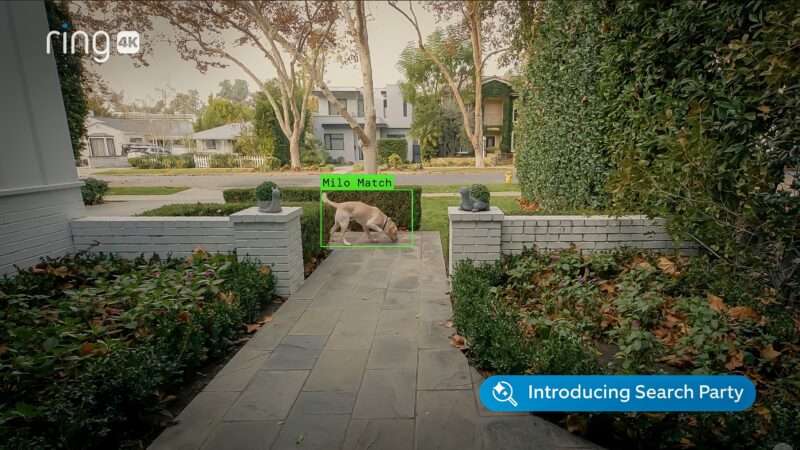
Ring's new Search Party feature has sparked significant backlash following a 30-second advertisement that aired during the Super Bowl. The ad showcased the capability of Ring cameras to surveil neighborhoods in order to locate lost dogs. This promotion of neighborhood surveillance has raised concerns among viewers, particularly in the current political climate, where issues of privacy and surveillance are highly sensitive. Critics have taken to social media to express their apprehensions regarding the potential implications of the technology. The AI-powered system used by Ring to identify pets has led to fears that it could be adapted for more invasive purposes, such as searching for humans. This concern is exacerbated by Ring's recent introduction of facial recognition capabilities, which some believe could facilitate a transition from a pet-finding tool to a mechanism for state surveillance. Privacy experts have highlighted the potential civil liberties implications of the Search Party feature. While the primary function is to assist in locating lost pets, there is a growing unease about how such technology might be utilized by law enforcement agencies. The combination of pet detection and facial recognition raises questions about the balance between community safety and individual privacy rights. Overall, the backlash against Ring's advertisement and the Search Party feature reflects broader societal concerns regarding surveillance technologies and their potential misuse. The intersection of AI, surveillance, and privacy continues to be a contentious issue as companies like Ring expand their technological capabilities.
Advertisement
Cluster Activity
Lindy Score Breakdown (V4.2)
Story Timeline
- 2026-02-10
- 2026-02-11Amazon Ring’s Super Bowl ad sparks backlash amid fears of mass surveillance (current)
- 2026-02-12
- 2026-02-13
Score BreakdownRisk 25
Stories gain Lindy status through source reputation, network consensus, and time survival.
Same Story from 9 sources







Breaking Similar stories








Anti-Lindy Similar stories