France’s Capgemini to sell US subsidiary under pressure for ICE contract
South China Morning Post • 1/31/2026 – 2/1/2026

Summary
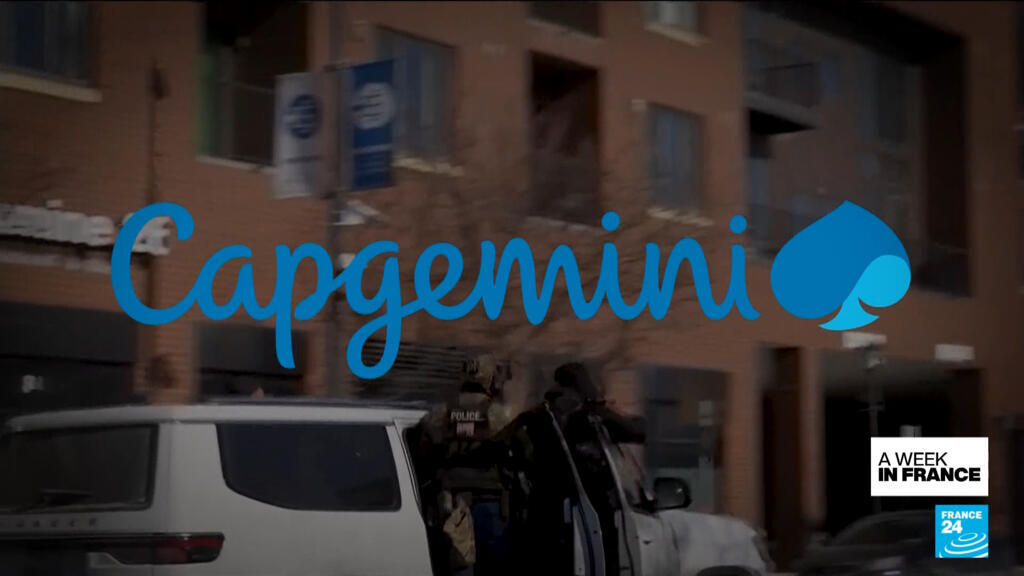
French technology company Capgemini has announced its decision to sell its U.S. subsidiary, Capgemini Government Solutions, which has been linked to providing services to the U.S. Immigration and Customs Enforcement (ICE) agency. This decision follows significant scrutiny and backlash from French lawmakers regarding a multimillion-dollar contract that the subsidiary holds with ICE, which involves "skip tracing" services used to locate and expel migrants. The contract has raised ethical concerns in France, particularly in light of recent controversies surrounding ICE's practices, including a fatal incident involving ICE agents in Minnesota (France24, Reuters). Capgemini stated that the divestment process would be initiated immediately but did not clarify whether the sale was directly related to the contract with ICE. The company cited "legal constraints" that hindered its ability to oversee the subsidiary's operations, suggesting that the sale was the only viable option (Euronews, South China Morning Post). French lawmakers, including Finance Minister Roland Lescure, have expressed outrage and demanded explanations from Capgemini about its contract with ICE. They have called for transparency regarding the contract, especially following the recent incident that intensified the debate over corporate responsibility and ethical governance in relation to immigration issues (France24, Reuters). The implications of Capgemini's decision to divest its U.S. subsidiary may extend beyond the company itself, potentially influencing other firms to reevaluate their contracts with government entities that face public criticism. This situation highlights ongoing tensions surrounding corporate involvement in government activities, particularly those related to immigration enforcement (Euronews, South China Morning Post). As discussions about corporate ethics and social accountability continue to evolve, this case underscores the complex relationship between business operations and societal values, ensuring that the topic remains relevant in discussions about corporate governance and human rights (France24, Reuters).
Advertisement
Cluster Activity
Lindy Score Breakdown (V4.2)
Story Timeline
- 2026-01-31
- 2026-02-01France’s Capgemini to sell US subsidiary under pressure for ICE contract (current)
Score BreakdownRisk 25
Stories gain Lindy status through source reputation, network consensus, and time survival.
Same Story from 9 sources






Breaking Similar stories








Anti-Lindy Similar stories