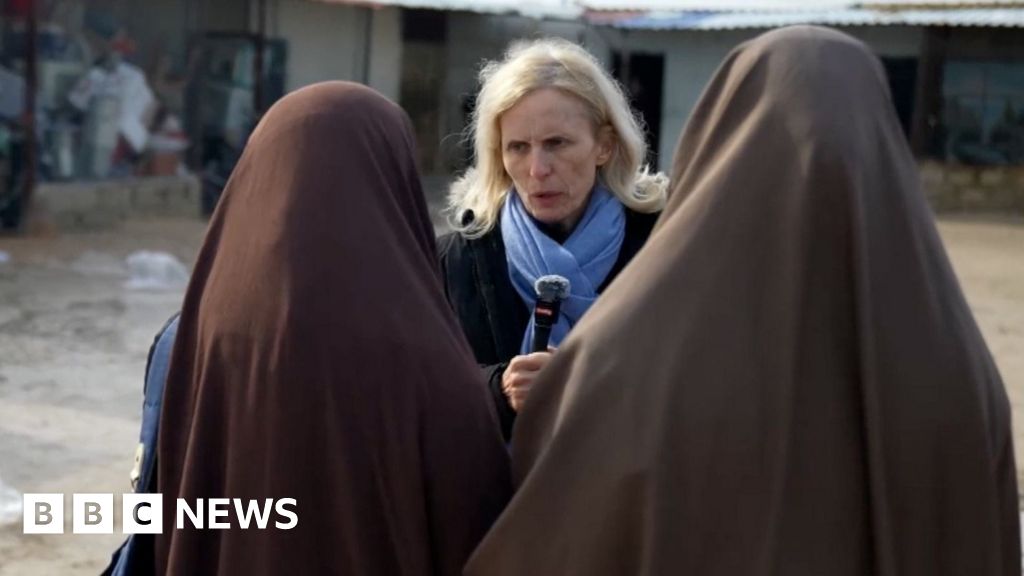
Inside Syrian camp holding wives and children of suspected IS fighters
BBC • 1/30/2026 – 1/31/2026
Summary
Kurdish authorities are currently managing a complex situation in northern Syria, where approximately 8,000 individuals suspected of being affiliated with the Islamic State (IS) are detained in prisons, alongside around 34,000 family members residing in nearby camps. These facilities have become focal points for discussions surrounding security, humanitarian issues, and the future of those connected to IS, as the region continues to grapple with the aftermath of the group's territorial losses. The ongoing situation in these camps highlights the broader implications of the fight against extremism and the challenges of reintegrating individuals associated with terrorist organizations. The presence of thousands of women and children raises critical questions about accountability, rehabilitation, and the potential for radicalization in a post-conflict environment. This scenario reflects historical patterns seen in other conflicts where the families of combatants face societal stigma and isolation, complicating efforts for peace and stability. As global attention shifts, the plight of these individuals underscores the need for comprehensive strategies that address both security concerns and humanitarian obligations, making it a significant issue in discussions about counterterrorism and international law.
Advertisement
Lindy Score Breakdown (V4.2)
Score BreakdownRisk 35
Stories gain Lindy status through source reputation, network consensus, and time survival.
Breaking Similar stories




Anti-Lindy Similar stories