Ghislaine Maxwell avoids questions in House deposition
Deutsche Welle • 2/9/2026
Summary
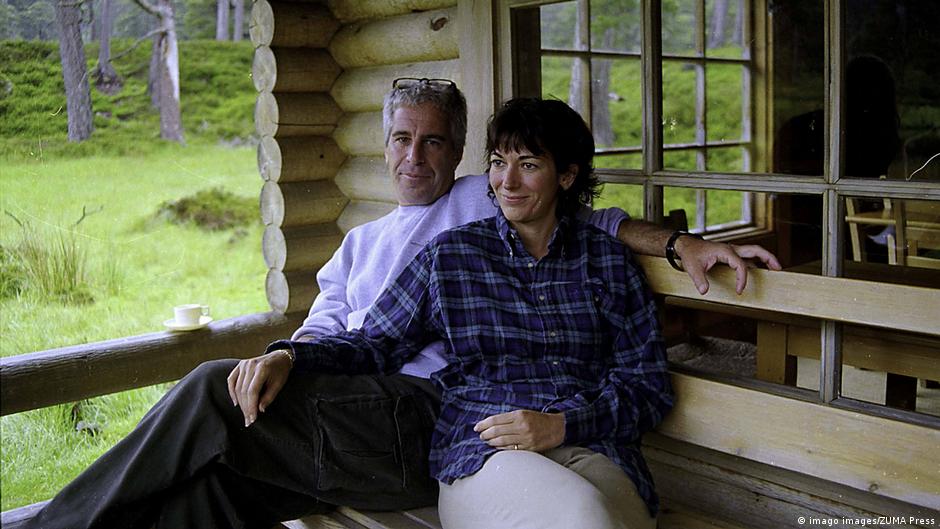
Ghislaine Maxwell, the jailed associate of sex offender Jeffrey Epstein, has chosen to invoke her Fifth Amendment right during a deposition by a House committee investigating Epstein's activities. By doing so, Maxwell aims to avoid self-incrimination, as confirmed by her lawyer. This decision comes amidst her ongoing legal troubles and her previous conviction for conspiring with Epstein to sexually abuse minors, for which she was sentenced to 20 years in prison. In addition to invoking her right to remain silent, Maxwell has also appealed for clemency from former President Donald Trump. Democrats have suggested that her refusal to cooperate with the House committee is motivated by her desire for a pardon from Trump. This appeal for clemency aligns with her strategy to avoid answering questions that could potentially incriminate her further. The House committee's deposition of Maxwell is part of a broader investigation into Epstein's network and the allegations surrounding his criminal activities. Maxwell's relationship with Epstein has drawn significant public and legal scrutiny, particularly following her arrest in 2020 and subsequent trial. Her background as a socialite and the daughter of British media tycoon Robert Maxwell adds complexity to her case, which has garnered widespread media attention. Maxwell's decision to remain silent and seek clemency highlights the contentious legal landscape surrounding her case and the ongoing implications of her association with Epstein. As the investigation continues, her actions will likely remain a focal point in discussions about accountability and justice for the victims involved.
Advertisement
Cluster Activity
Lindy Score Breakdown (V4.2)
Story Timeline
- 2026-02-09Ghislaine Maxwell avoids questions in House deposition (current)
- 2026-02-10
Score BreakdownRisk 25
Stories gain Lindy status through source reputation, network consensus, and time survival.
Same Story from 11 sources





Breaking Similar stories





Anti-Lindy Similar stories