What to Know About Nepal's Gen Z Election
The New York Times • 3/2/2026 – 3/4/2026
Summary
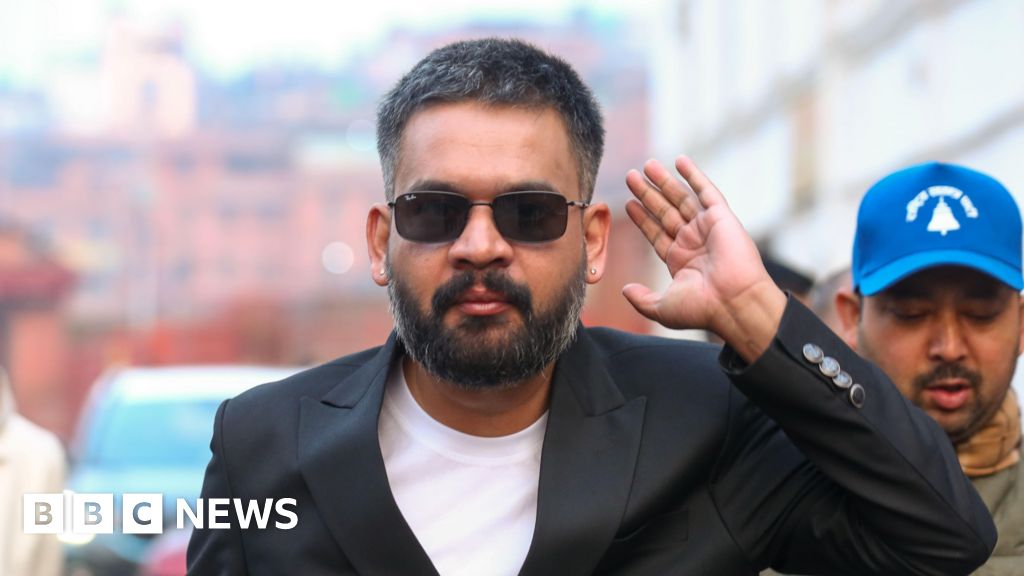
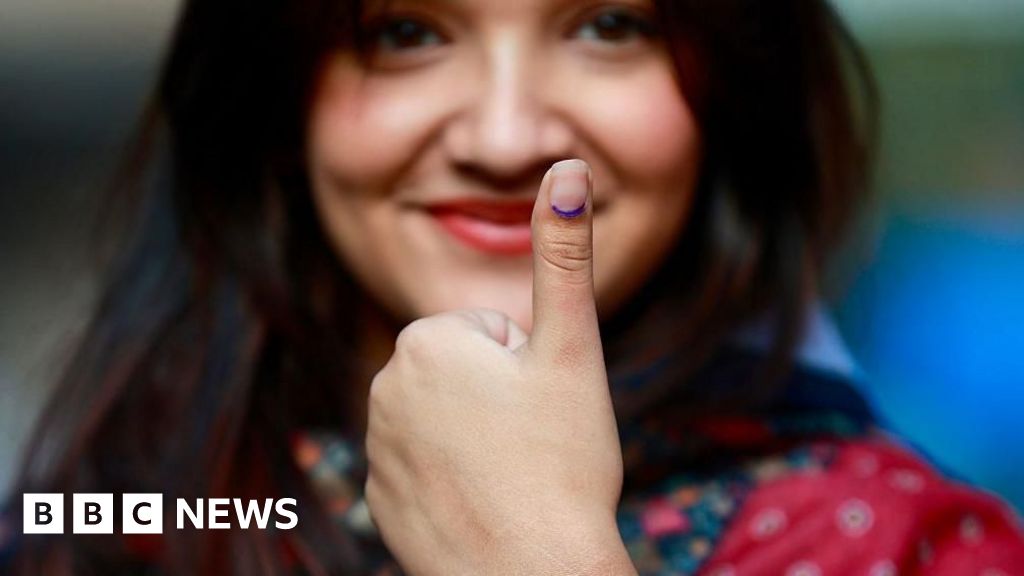
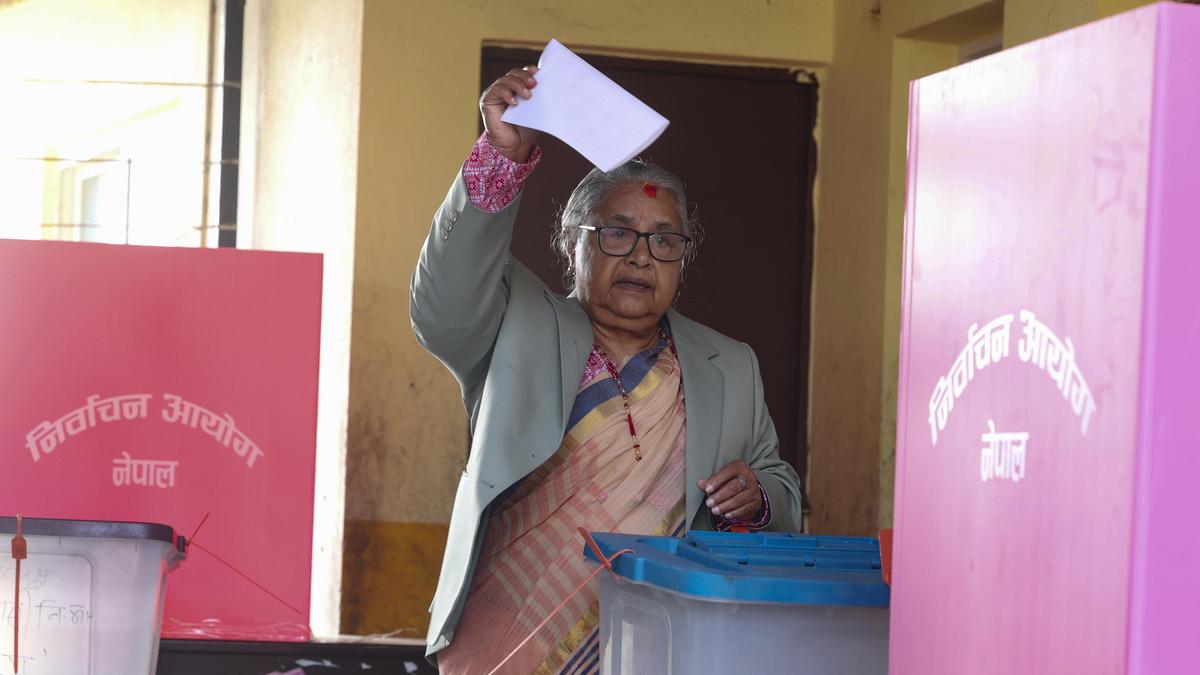
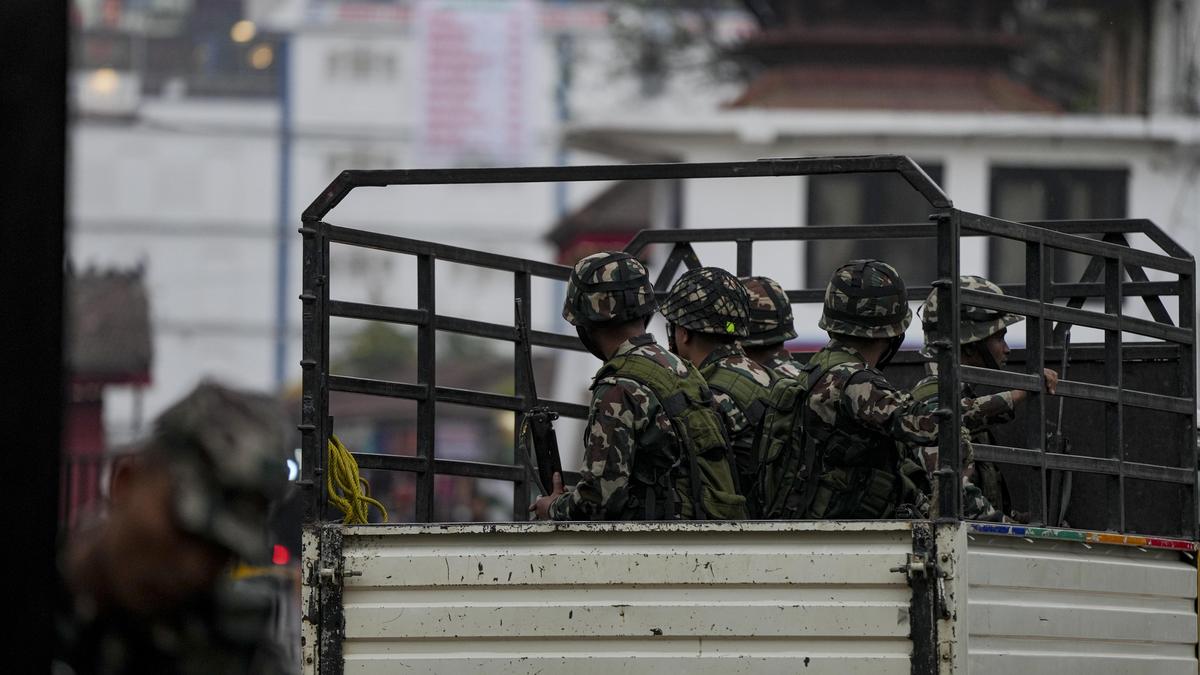
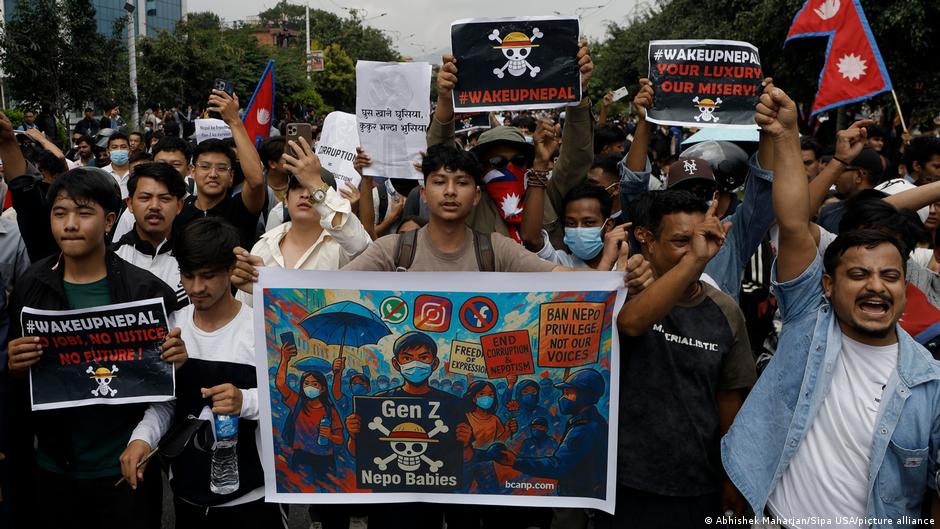
Nepal recently conducted its first election since a youth-led uprising against corruption resulted in the ousting of the previous government last year. This election, held on Thursday, is seen as a pivotal moment for the country as it seeks to determine whether a new generation of leaders can effectively shape its future. The uprising, primarily driven by Gen Z activists, has set the stage for a significant shift in the political landscape of Nepal. Among the candidates is Balendra Shah, a 35-year-old leader of the Rastriya Swatantra Party, who has gained considerable popularity. His party is perceived to have an advantage in the elections, reflecting a strong anti-incumbency sentiment among voters. The election is also notable for featuring veterans such as Pushpa Kamal Dahal Prachanda and K.P. Sharma Oli, who are facing a tough contest against the new guard. The outcome of this election will test the readiness of the electorate to embrace untested leaders and genuine political reforms. The youth vote is expected to play a decisive role in the election, as the country grapples with the implications of the recent protests and the desire for change. This election is not only a reflection of the current political climate but also a critical juncture for the future direction of Nepal's governance and policies. The results will indicate whether the aspirations of the younger generation can translate into tangible political power.
Advertisement
Cluster Activity
Lindy Score Breakdown (V4.2)
Story Timeline
- 2026-03-02
- 2026-03-03
- 2026-03-04What to Know About Nepal's Gen Z Election (current)
- 2026-03-05
- 2026-03-06
AnalysisRisk 10
Same Story from 11 sources





Breaking Similar stories





Anti-Lindy Similar stories