What NASA’s Artemis II tells us about the ‘overview effect,’ moon joy and awe
Scientific American • 4/10/2026 – 4/11/2026

Summary
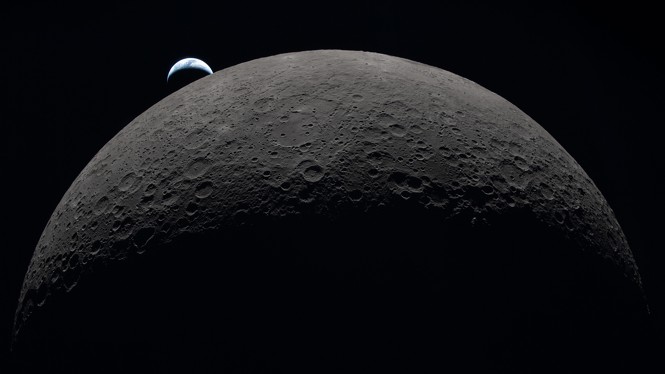
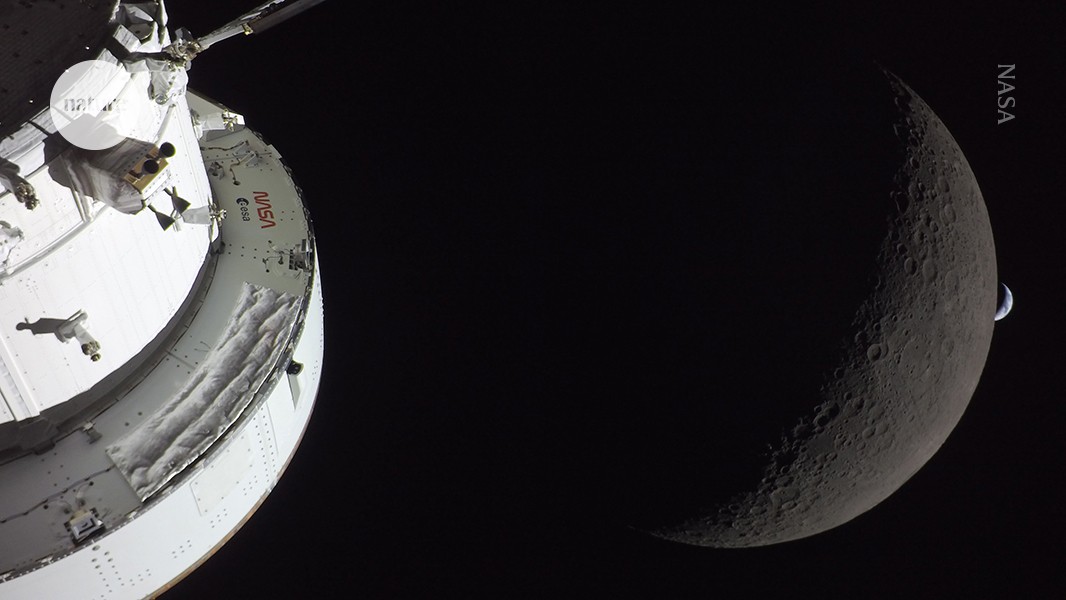
NASA's Artemis II mission marks the first crewed lunar mission in fifty years, reigniting interest in the moon and its significance for humanity. The mission is not only a technical achievement but also serves as a reminder of the emotional and psychological connections humans have with the moon. According to psychologists, the views from space during Artemis II evoke a special type of awe known as the "overview effect," which can foster a deeper appreciation for Earth and its place in the universe (Scientific American). The Artemis II mission offers a new perspective on the moon, differing from previous experiences during the Apollo missions. This fresh viewpoint is expected to enhance public interest and engagement with space exploration. The mission aims to reconnect people with the moon, emphasizing its importance and the joy it brings (The Atlantic). The sense of wonder generated by Artemis II is seen as a much-needed sentiment for the country, reminiscent of the excitement surrounding the Apollo missions (NYT Opinion). As the mission progresses, it highlights the enduring fascination humans have with the moon and the potential for future exploration. The psychological impact of viewing Earth from space can inspire individuals to reflect on their relationship with the planet and the cosmos (PRIMARY SOURCE). Artemis II is positioned as a pivotal moment in space exploration, reinforcing the idea that the moon continues to hold a significant place in human culture and aspirations.
Advertisement
Cluster Activity
Lindy Score Breakdown (V4.2)
Story Timeline
- 2026-04-10
- 2026-04-11What NASA’s Artemis II tells us about the ‘overview effect,’ moon joy and awe (current)
Score BreakdownRisk 35
Stories gain Lindy status through source reputation, network consensus, and time survival.
Same Story from 4 sources

Breaking Similar stories




Anti-Lindy Similar stories