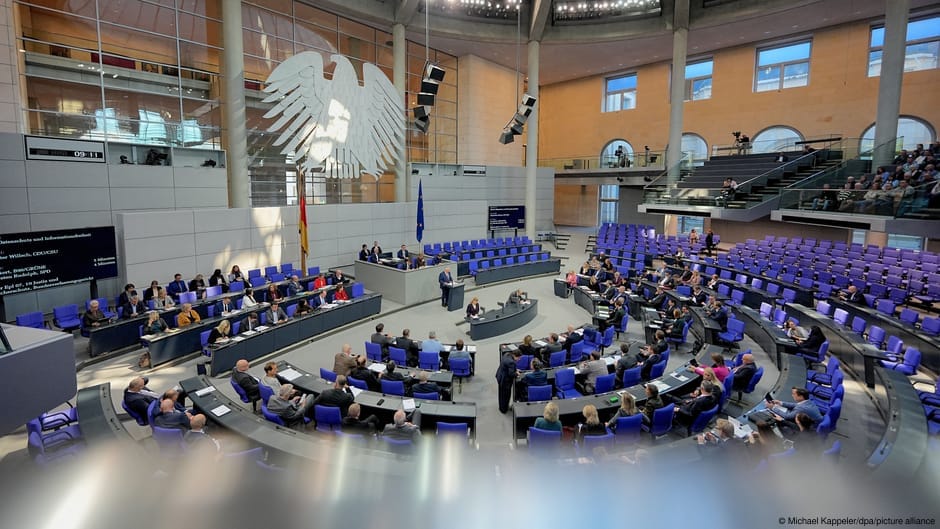
What is the significance of AfD’s win in Germany? | Explained
The Hindu • 9/8/2026

Summary
The Alternative for Germany (AfD), a far-right political party, has achieved significant electoral success in a recent regional election, coming close to a majority. Established in 2013, the AfD was formed as a direct response to the policies of then-German Chancellor Angela Merkel, particularly her approach to the Euro, which included advocating for fiscal austerity and structural reforms aimed at maintaining the stability of the Eurozone. This rise in popularity for the AfD reflects a notable shift in the political landscape of Germany. The implications of the AfD's electoral rise extend beyond Germany, potentially affecting the broader European political environment. The increasing influence of the AfD raises questions about the future of traditional political alliances and the direction of policy-making in both Germany and Europe. The party's success may indicate a growing acceptance of far-right ideologies among the electorate, which could lead to shifts in governance and policy priorities. As the AfD continues to gain support, it may challenge the established political order in Germany. This rise in popularity is likely to prompt responses from other political parties and influence voter behavior in upcoming elections. The AfD's ascent is indicative of broader trends in European politics, where populist and far-right movements have been gaining ground in various countries. The situation warrants close observation as it unfolds, given its potential to reshape the political dynamics in Germany and across Europe. The AfD's electoral success signifies a critical moment in the evolution of Germany's political landscape, reflecting changing voter sentiments and the increasing prominence of far-right ideologies.
Advertisement
Lindy Score Breakdown (V4.2)
Score BreakdownRisk 50
Stories gain Lindy status through source reputation, network consensus, and time survival.
Breaking Similar stories