Houthis attack Saudi Arabia as Gulf-Iran talks are postponed
Japan Times • 9/14/2026 – 9/15/2026

Summary
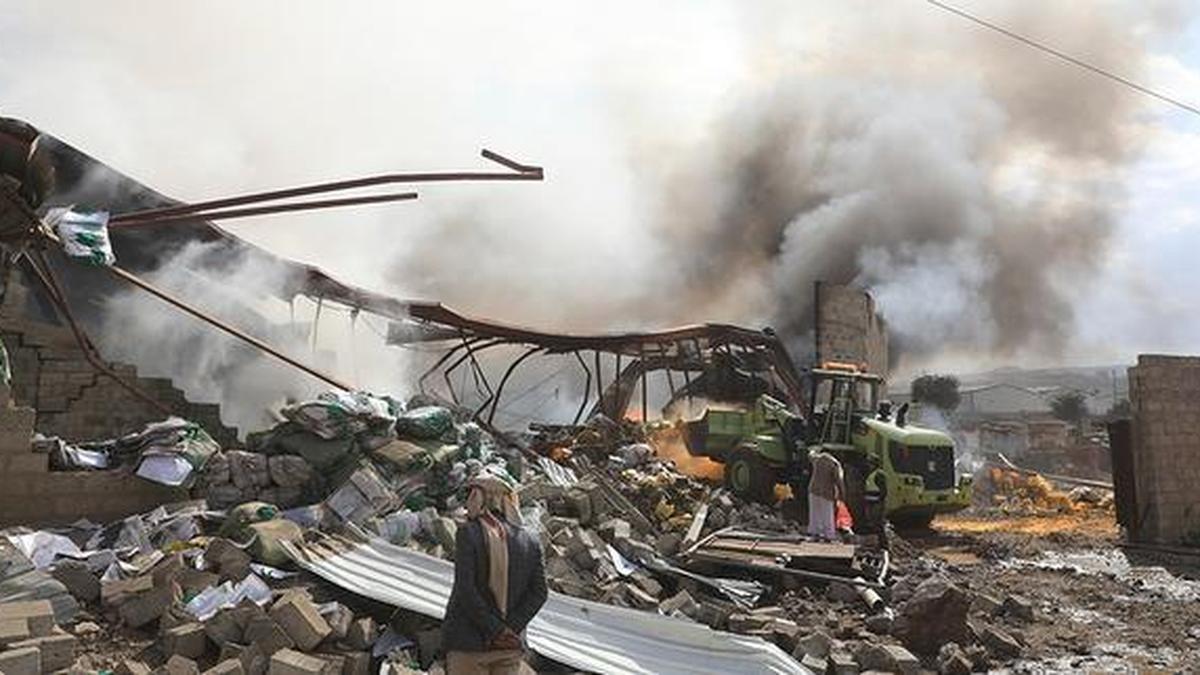
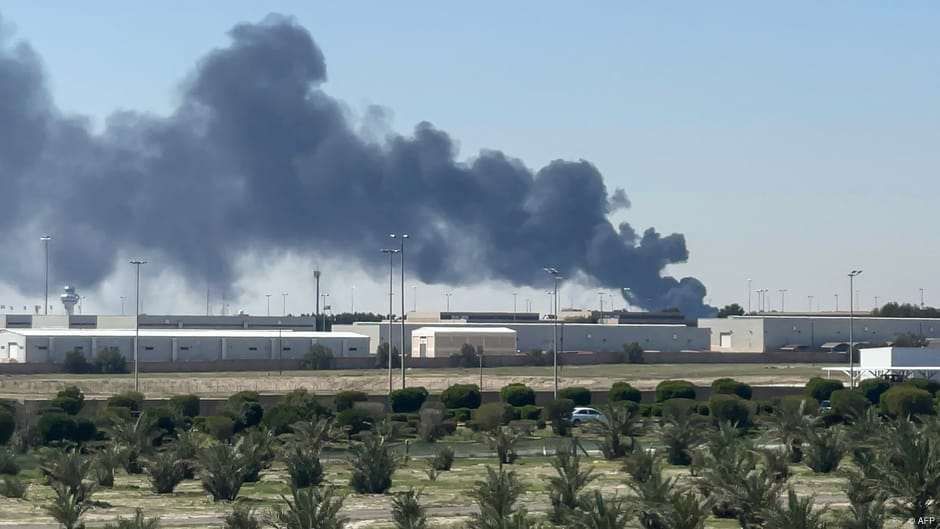
Recent developments in the Middle East have raised concerns about the potential for escalating conflict and its impact on global oil supplies. The Houthis, a group based in Yemen, have launched new attacks targeting Saudi Arabia, including a strike on a Saudi oil pipeline. This escalation comes amid stalled talks regarding the Strait of Hormuz, a critical shipping route for oil. The attacks have heightened tensions in the region and are expected to disrupt oil supplies from Saudi Arabia, the world's largest oil exporter. Oil traders are anticipating a rise in prices when markets reopen following the weekend's events. In addition to the attacks on Saudi Arabia, there have been reports of strikes on ships in the Gulf, further testing the nerves of stakeholders in the region. The British maritime security agency UKMTO reported these incidents, which contribute to fears of increased threats to oil supplies. The situation is compounded by the ongoing conflict in Yemen and the involvement of Iranian allies, which has led to a broader regional instability. As the conflict continues to unfold, officials have indicated that talks between Iran and Gulf Arab states are expected to take place soon. However, the recent attacks and the stalled negotiations suggest that the potential for further escalation remains high. The combination of military actions and diplomatic challenges underscores the precarious nature of security in the region and its implications for global energy markets.
Advertisement
Lindy Score Breakdown (V4.2)
Score BreakdownRisk 35
Stories gain Lindy status through source reputation, network consensus, and time survival.
Breaking Similar stories