Reverse-lookup service exposed millions of photos of people’s faces
Ars Technica • 8/20/2026
Summary
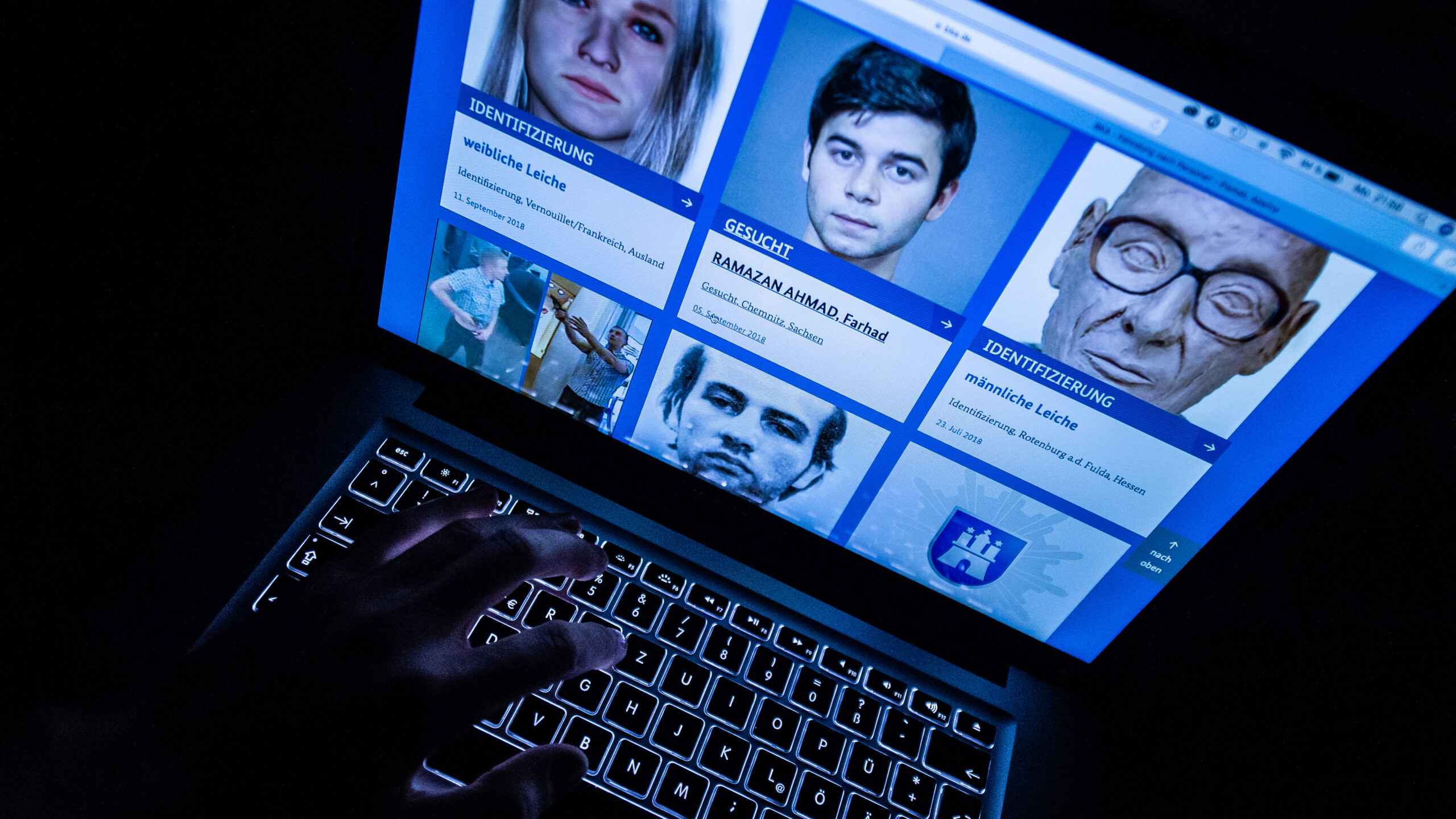
A reverse-lookup service known as ClarityCheck has exposed a database containing more than 9 million image files of people's faces. This incident raises significant concerns regarding privacy and data security, as the service claims to provide a "private and secure" reverse image search capability. However, the exposed database contradicts these assertions, highlighting vulnerabilities in the platform's data protection measures. The exposure of such a large volume of personal images could potentially lead to misuse and unauthorized access to individuals' private information. The implications of this breach are serious, as it not only affects the individuals whose images were exposed but also undermines trust in services that claim to prioritize user privacy. The incident serves as a reminder of the risks associated with online data storage and the importance of robust security protocols. ClarityCheck's failure to secure its database raises questions about the effectiveness of its security practices. Users of the service may now be concerned about the safety of their personal data and the potential for identity theft or other malicious activities stemming from this exposure. The incident underscores the need for greater accountability and transparency from companies that handle sensitive personal information. As the situation develops, it remains to be seen how ClarityCheck will address this breach and what measures will be implemented to prevent future occurrences. The exposure of millions of images serves as a critical warning about the vulnerabilities present in digital services that handle personal data.
Advertisement
Lindy Score Breakdown (V4.2)
Score BreakdownRisk 50
Stories gain Lindy status through source reputation, network consensus, and time survival.
Breaking Similar stories










Anti-Lindy Similar stories