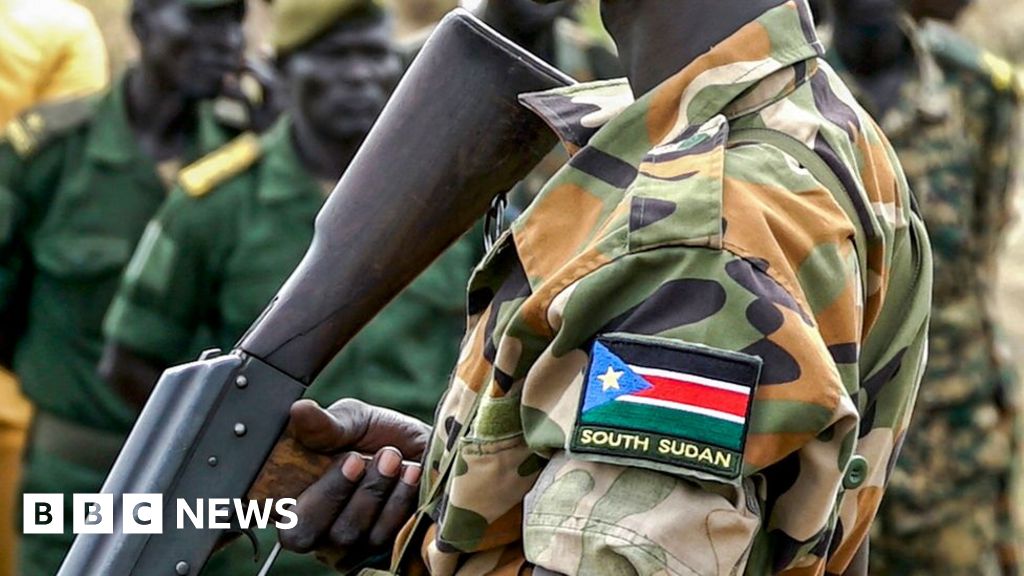
South Sudan army chief gives soldiers seven days to crush rebellion
BBC • 1/23/2026
Summary
The chief of the South Sudanese army has issued a directive to his troops, granting them a week to eliminate a growing rebellion. This announcement comes as military reinforcements are deployed to Bor, a key location en route to the capital city of Juba, indicating the government's commitment to quelling the unrest. This situation highlights the ongoing instability in South Sudan, a nation that has faced significant internal conflict since its independence in 2011. The urgency of the army chief's orders reflects a broader pattern of military responses to dissent in regions plagued by civil strife. Historically, such measures often lead to escalated violence and further entrenchment of divisions within the country. The focus on Bor as a strategic point underscores the geopolitical significance of controlling key territories in the face of rebellion. This scenario is emblematic of the challenges faced by governments in fragile states, where the balance of power can shift rapidly, and the repercussions of military action can resonate long after the immediate conflict has subsided. The situation in South Sudan serves as a reminder of the complexities of governance in post-conflict societies and the persistent struggle for stability and peace.
Advertisement
Lindy Score Breakdown (V4.2)
Score BreakdownRisk 35
Stories gain Lindy status through source reputation, network consensus, and time survival.
Breaking Similar stories





Anti-Lindy Similar stories